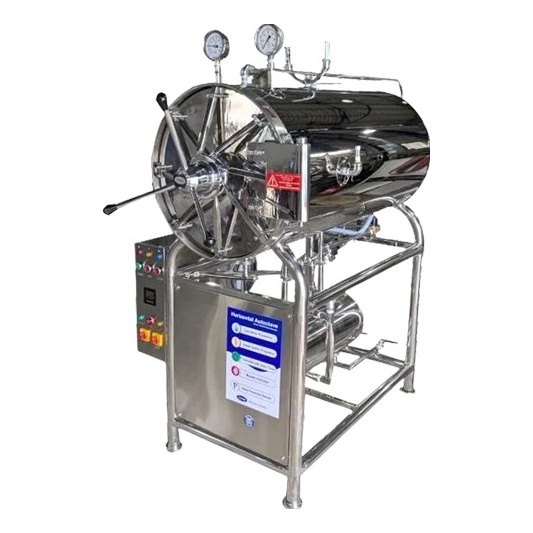
When you search for laboratory equipment manufacturers in Chennai, you are looking for partners who can supply reliable instruments, spare parts, and technical support for research, quality control, and production environments. Chennai’s thriving industrial ecosystem, coupled with a strong academic presence, makes it a strategic hub for sourcing everything from analytical balances to high‑performance centrifuges. In this guide we break down the technical landscape, selection criteria, and practical tips that laboratory managers and procurement teams need to make an informed purchase.
Table of Contents
- Understanding the core technologies offered by Chennai manufacturers
- Key considerations when evaluating laboratory equipment manufacturers in Chennai
- Top product categories offered by laboratory equipment manufacturers in Chennai
- How to match equipment specifications with your laboratory’s needs
- Alternative sourcing options: Local distributors vs. direct manufacturers
- Installation, calibration, and routine maintenance best practices
- Common pitfalls to avoid when buying from Chennai manufacturers
- Frequently Asked Questions
- Final verdict and next steps
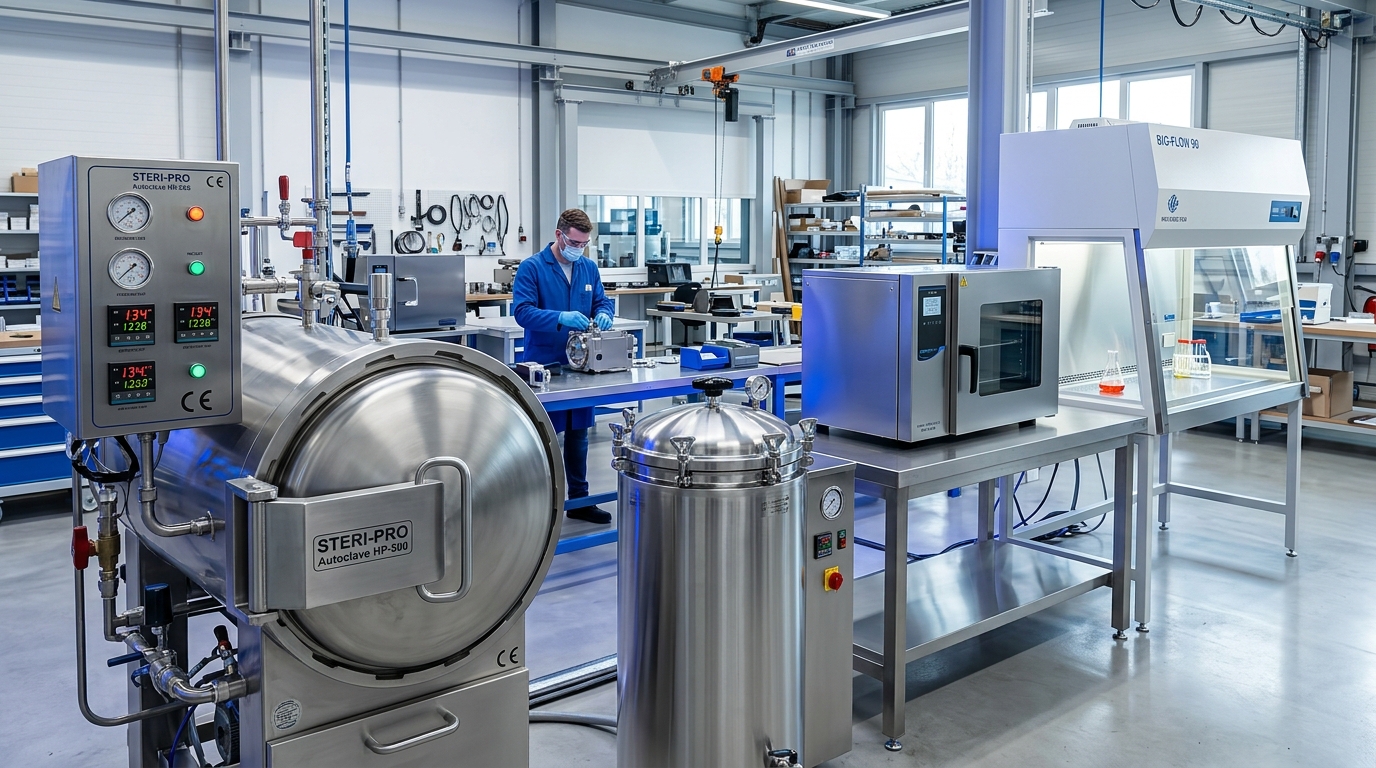
Understanding the core technologies offered by Chennai manufacturers
Most manufacturers in the region focus on three broad technology families:
- Analytical instrumentation – spectrophotometers, gas chromatographs, and pH meters that rely on optical or electrochemical principles.
- Sample preparation & processing – vortex mixers, hot plates, and autoclaves designed for reproducible heating, mixing, and sterilisation.
- Quality‑control hardware – weighing balances, particle size analysers, and moisture analyzers calibrated to meet Bureau of Indian Standards (BIS) specifications.
Each device follows a well‑defined working principle. For example, a UV‑Vis spectrophotometer measures light absorbance based on Beer‑Lambert’s law, converting the signal into concentration values via a calibrated detector. Understanding these fundamentals helps you compare performance curves, detection limits, and maintenance requirements across different brands.
Key considerations when evaluating laboratory equipment manufacturers in Chennai
Choosing a supplier is more than checking a price list. Below are the technical and commercial factors that should shape your decision:
- Compliance and certifications – Look for ISO 9001, ISO 13485 (for medical‑grade devices), and BIS conformity marks. These indicate consistent quality management and traceability.
- Design and material durability – Stainless‑steel (grade 316) housings resist corrosion in humid labs, while anodised aluminium frames reduce thermal drift in precision balances.
- Calibration and validation support – Manufacturers that provide on‑site calibration, certified reference standards, and documentation aligned with GLP/GMP make audit trails easier.
- Spare‑part logistics – A local inventory hub in Chennai shortens lead‑time for consumables such as columns, filters, or replacement sensors.
- After‑sales service – 24‑hour technical helpline, remote diagnostics, and annual preventive‑maintenance contracts are hallmarks of a reliable partner.
Top product categories offered by laboratory equipment manufacturers in Chennai
Below is a snapshot of the most requested equipment groups and their typical specifications:
Analytical balances
- Capacity: 100 g – 5 kg
- Readability: 0.01 mg – 0.1 mg
- Enclosure: Draft‑shielded or fully sealed for moisture‑sensitive work
- Compliance: IEC 61360, BIS 1901
Centrifuges (bench‑top and floor‑standing)
- Speed range: 500 – 15 000 rpm
- Temperature control: –20 °C to +40 °C (refrigerated models)
- Rotor options: Fixed‑angle, swing‑bucket, and micro‑centrifuge adapters
- Safety: Automatic imbalance detection and lid interlock
pH meters and conductivity probes
- Electrode material: Glass (pH) and platinum (conductivity)
- Temperature compensation: Integrated PT100 sensor
- Calibration: 2‑point or 3‑point buffers with automatic drift correction
- IP rating: IP65 for wet‑lab environments
Hot plates, magnetic stirrers, and incubators
- Temperature range: Ambient to 300 °C (hot plates) and 4 °C to 100 °C (incubators)
- Control: Digital PID controller with ±0.1 °C accuracy
- Construction: Chemical‑resistant ceramic tops, stainless‑steel interiors
- Safety: Over‑temperature shut‑off and alarm
How to match equipment specifications with your laboratory’s needs
A common consideration during equipment selection is the balance between performance and cost. Follow these steps to align specifications with real‑world usage:
- Define the analytical requirement. For a pharmaceutical QC lab, a balance with 0.01 mg readability and automatic internal calibration may be essential, whereas a teaching lab can work with 0.1 mg readability.
- Map the workflow. Identify whether the instrument will operate continuously (e.g., incubators) or intermittently (e.g., spectrophotometers). Continuous use demands robust thermal management and higher MTBF (Mean Time Between Failures).
- Consider environmental constraints. High humidity or corrosive vapours necessitate sealed enclosures and corrosion‑resistant finishes.
- Budget for accessories. Calibration standards, spare electrodes, and software licences often represent 10‑15 % of the total spend.
- Validate against regulatory standards. Ensure the device meets the specifications required by CDSCO, US FDA, or EU GMP, depending on your market.
Alternative sourcing options: Local distributors vs. direct manufacturers
While many Chennai‑based firms act as original equipment manufacturers (OEMs), others operate as exclusive distributors for multinational brands. The trade‑off is typically:
- OEMs – Customisation, lower price points, faster local support, but may lack global brand recognition.
- Distributors – Access to internationally certified models, comprehensive warranty terms, but higher import duties and longer lead times.
For laboratories that need a tailored solution—such as a balance calibrated for specific gravimetric methods—partnering directly with an OEM in Chennai often yields the best return on investment.
Installation, calibration, and routine maintenance best practices
Proper commissioning can extend the lifespan of expensive instruments by 30 % or more. Follow these guidelines:
- Site preparation. Verify that the installation area meets vibration, temperature, and humidity specifications listed in the user manual. For balances, a vibration‑isolated bench is mandatory.
- Electrical compliance. Use dedicated, grounded circuits with surge protection. Many devices require a stable 230 V supply with less than 5 % fluctuation.
- Initial calibration. Perform a three‑point calibration using traceable standards within 24 hours of installation. Record the results in a calibration log.
- Preventive maintenance schedule. Clean optical windows with lint‑free tissue and isopropyl alcohol, replace worn seals annually, and run self‑diagnostic routines monthly.
- Troubleshooting tips. If a balance shows drift, check for drafts, re‑level the instrument, and verify that the internal temperature sensor is functioning.
Common pitfalls to avoid when buying from Chennai manufacturers
Even experienced procurement teams can fall into traps. Keep an eye out for the following:
- Accepting a lower upfront price without confirming the availability of certified calibration kits.
- Overlooking the need for a service contract; emergency repairs can halt critical experiments.
- Neglecting to verify the warranty period and what components are covered—some OEMs only guarantee the core instrument, not accessories.
- Assuming all “Made in India” labels guarantee compliance; always request the relevant BIS or ISO certificates.
Frequently Asked Questions
What certifications should I request from a Chennai laboratory equipment manufacturer?
Ask for ISO 9001 (quality management), ISO 13485 (medical devices, if applicable), and BIS conformity certificates. These documents confirm that the manufacturer follows recognised quality and safety standards.
Can I get custom‑built instruments to suit a niche application?
Yes. Many local OEMs offer modular designs where you can select specific sensors, display interfaces, or software modules. Discuss your specifications early to obtain a detailed quotation.
How long does it typically take to receive an order from Chennai?
Standard stock items are often dispatched within 5‑10 working days. Customised or high‑precision equipment may require 3‑6 weeks, depending on component availability and calibration requirements.
Is it necessary to have a local service engineer for high‑end analytical instruments?
Having a local engineer reduces downtime dramatically. Most reputable manufacturers in Chennai provide on‑site service agreements, which include annual preventive maintenance and rapid response for breakdowns.
What are the key questions to ask a supplier before signing a contract?
Inquire about:
- Lead‑time for delivery and spare parts.
- Scope of after‑sales support (remote vs. on‑site).
- Calibration certification process and frequency.
- Training provisions for laboratory staff.
- Warranty terms and conditions, including exclusions.
Final verdict and next steps
Chennai hosts a diverse ecosystem of laboratory equipment manufacturers in Chennai that can meet the needs of pharmaceutical QC labs, academic research facilities, and industrial testing units. By scrutinising certifications, material construction, after‑sales infrastructure, and total cost of ownership, you can select a partner that delivers reliable performance and compliance with Indian regulatory standards.
Ready to explore specific models that fit your workflow? Explore our laboratory instrument catalog for a curated selection of balances, centrifuges, and analytical devices sourced from trusted Chennai manufacturers.