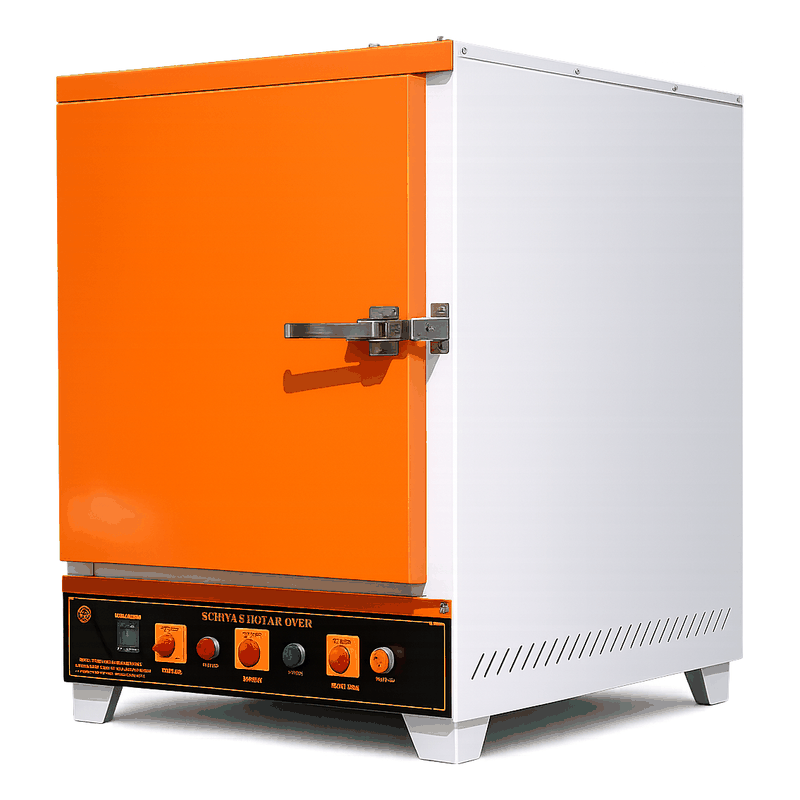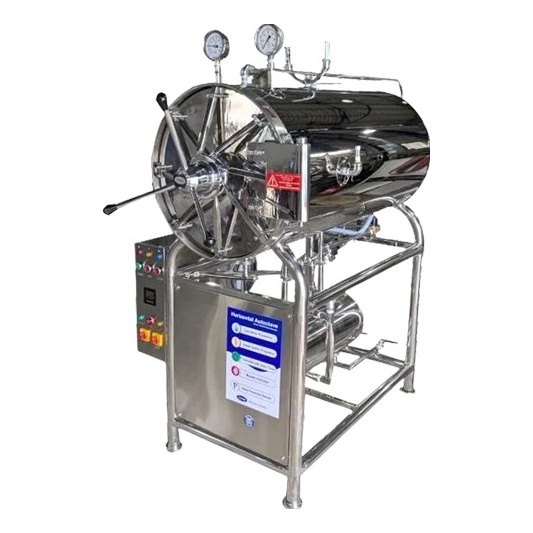
When a laboratory manager or procurement officer looks for a reliable laboratory hot air oven, the first question is often “who are the reputable laboratory hot air oven manufacturers in India?” The Indian market hosts a mix of established firms and emerging players that cater to pharma, academic, and industrial research needs. Understanding the technology, key specifications, and buying criteria will help you select a dryer that meets ISO and BIS standards while staying within budget.
Table of Contents
- How a Laboratory Hot Air Oven Works – Core Principles
- Key Features to Evaluate from laboratory hot air oven manufacturers in India
- Common Applications Across Sectors
- Choosing the Right Laboratory Hot Air Oven Manufacturer in India
- Alternative Technologies – When a Hot Air Oven Might Not Be Ideal
- Installation, Calibration, and Routine Maintenance
- Common Mistakes to Avoid During Operation
- Frequently Asked Questions
- Final Verdict and Practical Recommendations
How a Laboratory Hot Air Oven Works – Core Principles
All hot‑air ovens operate on the same basic principle: a heating element (usually nickel‑chromium) raises the temperature of a closed chamber, while a fan circulates air to ensure uniform heat distribution. The thermostat or digital controller maintains the set point, typically within ±1 °C. Modern units incorporate insulated stainless‑steel chambers, programmable timers, and safety interlocks that cut power if the door is opened.
Key Features to Evaluate from laboratory hot air oven manufacturers in India
- Temperature range and accuracy – Most Indian‑made ovens cover 50 °C to 250 °C, with some high‑temperature models reaching 300 °C. Accuracy of ±1 °C is standard for quality‑control applications.
- Capacity and chamber size – Available in compact benchtop (10‑20 L) to large floor‑standing (up to 500 L) configurations. Choose based on sample volume and footprint.
- Control system – Digital LCD panels with programmable recipes, ramp‑up/ramp‑down rates, and data logging are increasingly common.
- Construction material – 304/316 stainless‑steel interiors resist corrosion from chemicals and moisture, while double‑wall insulation reduces energy consumption.
- Safety mechanisms – Door interlocks, over‑temperature cut‑off, and emergency stop buttons are mandatory for compliance with BIS standards for laboratory ovens.
- Certification – Look for ISO 9001 quality‑management certification and BIS conformity marks, which indicate adherence to Indian manufacturing norms.
Common Applications Across Sectors
Laboratory hot air ovens are indispensable in:
- Pharmaceutical quality control – Drying of API samples, stability studies, and microbiological media preparation.
- Academic research – Sample sterilization, polymer curing, and material testing in chemistry or physics labs.
- Industrial R&D – Heat‑treatment of metal parts, drying of powders, and pre‑processing for analytical instruments.
- Food and cosmetics labs – Moisture content determination and shelf‑life testing.
Choosing the Right Laboratory Hot Air Oven Manufacturer in India
A systematic approach reduces the risk of post‑purchase headaches. Consider the following checklist when evaluating manufacturers:
- Technical support and after‑sales service – Does the supplier offer on‑site installation, calibration, and a clear warranty (typically 12‑24 months)?
- Spare‑part availability – Critical components such as heating elements and temperature sensors should be stocked locally to avoid long downtimes.
- Customization options – Some manufacturers can modify chamber size, add HEPA filtration, or integrate PLC control for automated labs.
- Compliance documentation – Request test certificates, CE marking, and BIS conformity reports before finalising the order.
- Price structure – Indian pricing is influenced by capacity, control sophistication, and certification level. Expect a 10‑20 % premium for fully digital models with data‑logging.
- Reference projects – Ask for case studies from pharma plants in Chennai or research institutes in Tamil Nadu to gauge real‑world performance.
Alternative Technologies – When a Hot Air Oven Might Not Be Ideal
While hot‑air ovens are versatile, other equipment may better suit specific tasks:
- Vacuum ovens – Provide lower temperature drying under reduced pressure, ideal for heat‑sensitive compounds.
- Microwave dryers – Offer rapid moisture removal for small samples but lack uniformity for bulk loads.
- Freeze‑dryers (lyophilizers) – Used when the product cannot tolerate any heat.
Choosing between these alternatives depends on the sample’s thermal tolerance, required throughput, and budget constraints.
Installation, Calibration, and Routine Maintenance
Proper installation ensures temperature stability and safety. Follow these steps:
- Place the oven on a level, vibration‑free surface with adequate clearance (minimum 30 cm) on all sides for airflow.
- Connect to a dedicated 3‑phase supply if the power rating exceeds 2 kW; otherwise, a single‑phase outlet is sufficient.
- Perform a pre‑use calibration using a certified thermocouple or calibrated reference thermometer. Record the deviation and adjust the controller if needed.
- Schedule quarterly cleaning of the interior to remove dust and residues that can affect heat distribution.
- Inspect door seals and safety interlocks annually; replace worn gaskets to maintain energy efficiency.
Common Mistakes to Avoid During Operation
- Overloading the chamber – Stacking trays too tightly blocks airflow, leading to temperature gradients.
- Ignoring pre‑heat time – Skipping the stabilization period can cause inaccurate drying times.
- Using incompatible containers – Plastic vessels may melt above 120 °C; always use heat‑resistant glass or stainless steel.
- Neglecting safety interlocks – Disabling door switches for convenience compromises operator safety and violates BIS regulations.
Frequently Asked Questions
What temperature accuracy can I expect from Indian‑made hot air ovens?
Reputable manufacturers typically guarantee ±1 °C accuracy across the full operating range, provided the oven is calibrated according to the supplied protocol.
Are laboratory hot air ovens covered under any Indian government standards?
Yes. The Bureau of Indian Standards (BIS) publishes IS 14750 for laboratory ovens, covering safety, performance, and construction requirements.
How long does it take to receive a custom‑size oven after placing an order?
Lead times vary from 4 weeks for standard models to 8‑12 weeks for bespoke configurations, depending on material availability and certification processes.
Can I integrate the oven with a LIMS or data‑management system?
Modern digital ovens feature RS‑232, USB, or Ethernet ports that allow export of temperature logs to laboratory information management systems (LIMS). Verify the communication protocol with the supplier.
What are the typical warranty terms for hot air ovens in India?
Manufacturers usually offer a 12‑month warranty covering parts and labor, with the option to extend to 24 months for an additional fee.
Final Verdict and Practical Recommendations
India’s landscape of laboratory hot air oven manufacturers in India provides a solid mix of cost‑effective and feature‑rich options. Prioritise firms that supply full documentation, local service networks, and proven experience in your sector—whether pharma in Chennai or academic research in Tamil Nadu. Assess capacity, temperature range, control sophistication, and safety features against your specific workflow. Remember that a slightly higher upfront cost for a certified, well‑supported unit often translates into lower total‑ownership expenses through reduced downtime and easier compliance.
Ready to explore models that match your laboratory’s needs? Visit our hot air oven manufacturers in Chennai page to view detailed specifications, request a quotation, and connect with a local technical specialist.