
Finding reliable laboratory equipment suppliers in Chennai can be a decisive factor for research labs, pharmaceutical plants, and educational institutions across Tamil Tamil Nadu. In this article we break down the technical landscape, selection criteria, and after‑sales considerations you need to make an informed purchase decision.
Table of Contents
- Understanding the Core Technologies Offered by Chennai Lab Vendors
- Key considerations when choosing laboratory equipment suppliers in Chennai
- Typical Product Categories from Chennai Suppliers
- How to evaluate laboratory equipment suppliers in Chennai
- Alternative Procurement Options
- Installation, Calibration, and Routine Maintenance
- Common Mistakes to Avoid When Buying Lab Instruments
- Frequently Asked Questions
- Final Verdict and Practical Recommendations
Understanding the Core Technologies Offered by Chennai Lab Vendors
Most suppliers in the region stock a portfolio that spans analytical balances, centrifuges, autoclaves, hot‑air ovens, and environmental chambers. Although the operating principles differ, they share common components such as precision sensors, PID controllers, and stainless‑steel enclosures that meet IS 800 and IS 2062 standards for structural integrity.
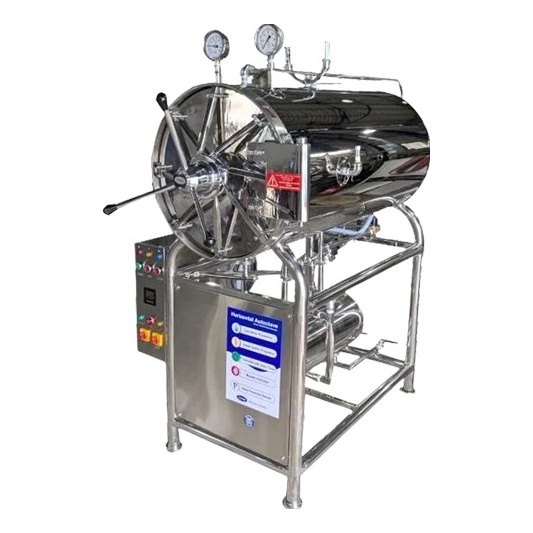
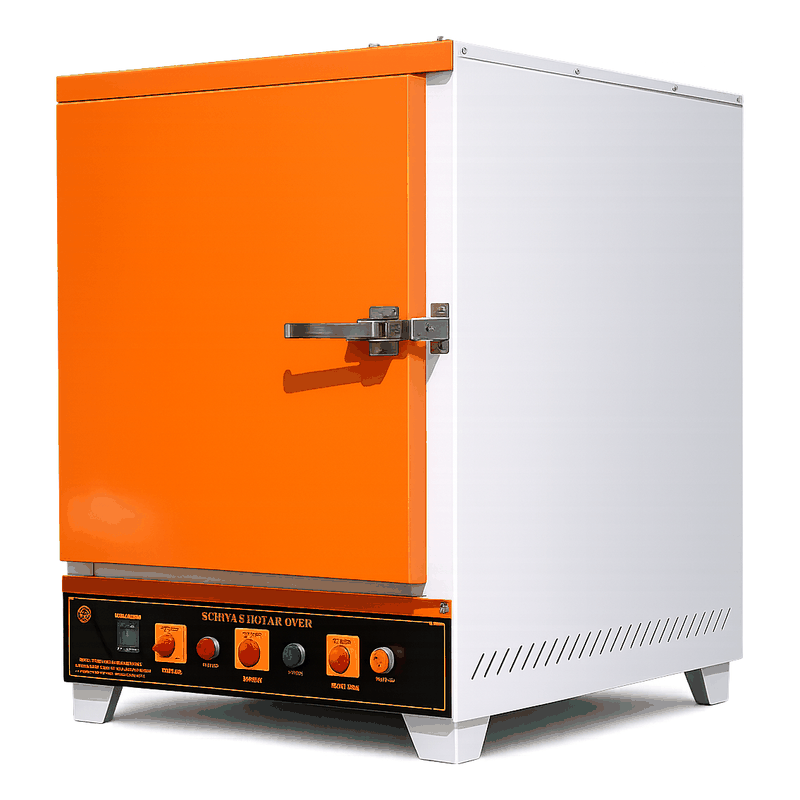
For example, a laboratory‑grade autoclave works on the principle of saturated steam under pressure to achieve sterilisation. Key components include a pressure vessel, temperature probe, safety valve, and a programmable logic controller (PLC) that maintains the set cycle. In contrast, a hot‑air oven relies on forced convection of heated air, using resistance heating elements and a thermostatic feedback loop to keep temperature uniform within ±1 °C.
Key considerations when choosing laboratory equipment suppliers in Chennai
When evaluating potential partners, keep these technical and commercial factors in mind:
- Compliance with Indian standards: Look for equipment certified by the Bureau of Indian Standards (BIS) or bearing the IS 9001 quality‑management label. BIS certification details provide a reliable baseline.
- Scope of product range: A supplier that offers both bench‑top and floor‑standing models can simplify logistics and spare‑part management.
- Calibration and validation support: Vendors should provide on‑site calibration certificates and assist with method validation for GLP‑compliant labs.
- After‑sales service network: Proximity of service engineers in Chennai reduces downtime. Verify warranty terms, response time, and availability of genuine spare parts.
- Technical documentation: Detailed user manuals, safety data sheets, and IEC 61010‑1 compliance statements are essential for training new staff.
Typical Product Categories from Chennai Suppliers
Balance and Weighing Systems
Analytical balances (0.1 mg readability) and precision balances (0.01 mg) are built with vibration‑isolated tables and enclosed chambers to protect against drafts. Stainless‑steel weighing pans resist corrosion from solvents commonly used in pharmaceutical labs.
Centrifuges
Bench‑top centrifuges use a fixed‑angle rotor and a digital speed controller, while high‑capacity floor‑standing units feature a swing‑out bucket and temperature control (2–40 °C). Choose a model based on required relative centrifugal force (RCF) and sample volume.
Autoclaves and Sterilisation Units
Both vertical and horizontal autoclaves are available. Horizontal models provide larger chamber space for bulky instruments, whereas vertical units are compact for routine media sterilisation. Look for automatic door locking, pressure‑release safety valves, and data logging capabilities.
Environmental Chambers & Humidity Controllers
These chambers maintain precise temperature (‑70 °C to +200 °C) and relative humidity (10 %–98 %). They are essential for stability studies in pharma and for material testing in industrial research.
Hot‑Air Ovens and Furnaces
Standard laboratory ovens operate up to 250 °C, while high‑temperature furnaces can reach 1200 °C. Uniform heat distribution is achieved through multi‑zone heating elements and forced air circulation. Insulated refractory linings prolong service life.
How to evaluate laboratory equipment suppliers in Chennai
Use a scoring matrix that balances technical fit, cost, and service. Assign weightings such as 40 % for compliance and performance, 30 % for price and financing options, and 30 % for after‑sales support. Request a quotation that includes:
- Itemised cost of equipment, installation, and training.
- Warranty period (minimum 12 months) and terms for extended coverage.
- Lead time from order to commissioning (typical 4–8 weeks for domestic stock).
- Spare‑part availability and list of OEM part numbers.
Alternative Procurement Options
Besides buying new, many labs consider refurbished units or leasing. Refurbished equipment can be cost‑effective if the supplier offers a full warranty and a certified calibration certificate. Leasing spreads the expense over a contract period and often includes routine maintenance, but total cost of ownership may be higher over the long term.
Installation, Calibration, and Routine Maintenance
Proper installation is critical for equipment longevity:
- Ensure a level, vibration‑free floor for balances and centrifuges.
- Provide adequate ventilation for ovens and autoclaves according to the manufacturer’s clearance guidelines.
- Connect temperature‑controlled devices to a dedicated power circuit with surge protection.
Calibration should be performed annually or after any major repair. Use traceable weight sets for balances and a calibrated thermometer for temperature‑controlled instruments. Record all calibration data in a laboratory‑wide asset management system.
Common Mistakes to Avoid When Buying Lab Instruments
Ignoring local standards can lead to non‑compliance during audits. Focusing solely on price often results in hidden costs such as expensive spare parts or prolonged downtime. Over‑specifying capacity leads to under‑utilised assets and higher energy consumption. Finally, neglecting to verify the supplier’s service network can cause critical delays during breakdowns.
Frequently Asked Questions
What certifications should I look for in Chennai lab equipment suppliers?
Prioritise BIS certification, ISO 9001 for quality management, and ISO 13485 if the equipment is used for medical device testing. These certifications confirm adherence to Indian and international safety standards.
Can I get a demo before purchasing?
Reputable vendors often arrange on‑site demonstrations or provide a short‑term trial period. This allows your technical team to verify performance parameters such as temperature uniformity or balance repeatability.
How do I ensure spare‑part availability?
Ask the supplier for a list of critical spare parts, their lead times, and whether they maintain a local inventory in Chennai. Some suppliers also offer a subscription service for periodic part replacement.
Is it better to buy from a local Chennai supplier or an international distributor?
Local suppliers provide faster logistics, easier access to service engineers, and better familiarity with Indian regulatory requirements. International distributors may offer a broader product range but can involve longer lead times and higher import duties.
What financing options are typically available?
Many vendors offer installment plans, equipment leasing, or deferred payment schemes for government and educational institutions. Review the total cost of financing, including interest and any service fees.
Final Verdict and Practical Recommendations
Choosing the right laboratory equipment suppliers in Chennai hinges on a balance of technical compliance, after‑sales support, and transparent pricing. Start by shortlisting vendors that meet BIS and ISO standards, verify their service footprint in Chennai, and request detailed quotations that include installation and calibration. Compare new, refurbished, and lease options based on your laboratory’s utilisation rate and budget cycle.
For a curated selection of instruments that meet Indian quality standards, explore our curated catalog and read the latest insights on lab procurement at laboratory equipment manufacturers in Chennai – what you need to know. Our team can guide you through specification matching, installation planning, and post‑sale support to keep your lab running efficiently.
