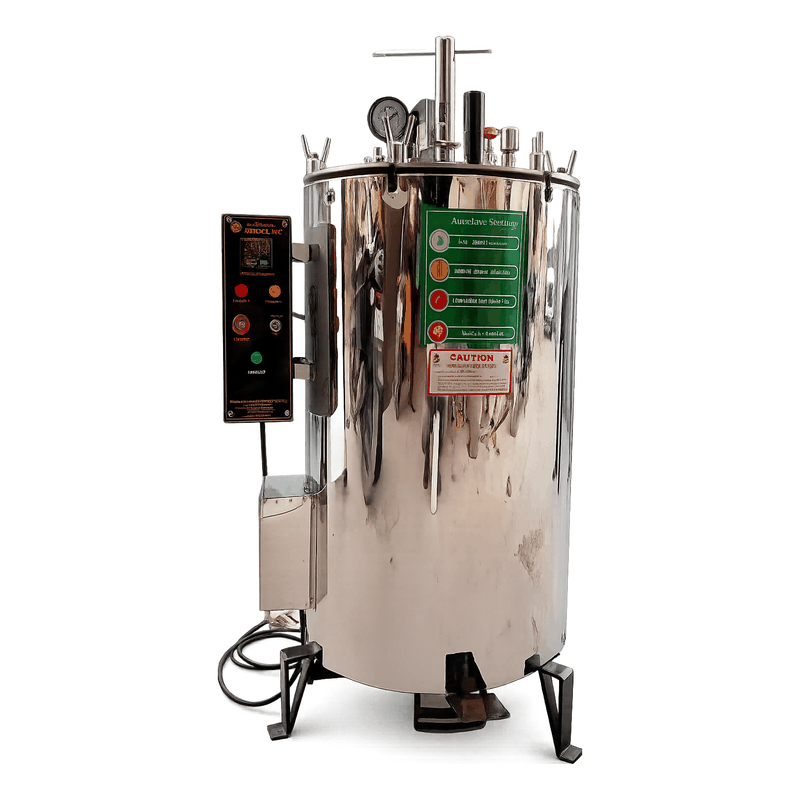
Laboratory managers and procurement teams in Tamil Tamil Nadu often ask, “Which autoclave model fits my facility’s workflow and budget?” As a seasoned laboratory consultant, I’ll walk you through the technical landscape, practical selection criteria, and the local nuances that matter when dealing with an autoclave manufacturer in Chennai: how to choose the right model. Whether you run a pharmaceutical quality‑control lab, a university research department, or an industrial sterilisation unit, the right autoclave can safeguard product integrity, meet regulatory standards, and minimise downtime.
Table of Contents
- Autoclave Manufacturer in Chennai: How to Choose the Right Model – Working Principle and Core Components
- Key Types of Autoclaves Available from Chennai Suppliers
- Autoclave Manufacturer in Chennai: How to Choose the Right Model – Key Technical Parameters
- Practical Selection Criteria for Different Laboratory Environments
- Autoclave Manufacturer in Chennai: How to Choose the Right Model – Service, Spare Parts, and Warranty
- Pricing Factors Specific to the Indian Market
- Questions to Ask Your Autoclave Supplier in Chennai
- Maintenance, Safety, and Troubleshooting Tips
- Frequently Asked Questions
- Final Verdict and Next Steps
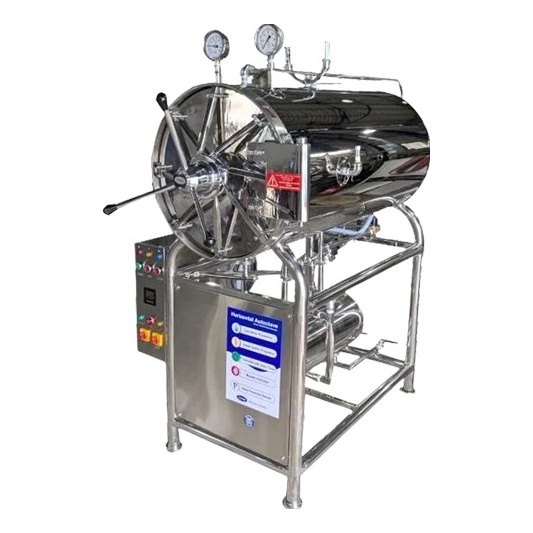
In laboratory practice, the autoclave is the workhorse for steam sterilisation, delivering moist heat at 121 °C–134 °C under pressure. The basic principle is simple: saturated steam transfers heat more efficiently than dry air, ensuring rapid microbial kill throughout the load.
Autoclave Manufacturer in Chennai: How to Choose the Right Model – Working Principle and Core Components
Understanding how the equipment operates helps you match specifications to applications. A typical laboratory autoclave consists of:
- Steam generator – heats water to produce saturated steam; capacity measured in litres per minute.
- Pressure vessel (chamber) – constructed from stainless‑steel (usually 304 or 316L) to resist corrosion.
- Control system – programmable logic controller (PLC) or micro‑controller with digital display, offering preset cycles, temperature/pressure logging, and safety interlocks.
- Vacuum pump (optional) – for pre‑vacuum or post‑vacuum cycles that improve steam penetration in porous loads.
- Safety devices – pressure relief valve, door interlock, over‑temperature sensor, and emergency stop.
These components work together to achieve the sterilisation value (F₀) required by standards such as ISO 17665‑1 (ISO 17665‑1) and the Indian Pharmacopeia. Selecting a model that reliably reaches the required F₀ is the first technical checkpoint.
Key Types of Autoclaves Available from Chennai Suppliers
Manufacturers in Chennai typically offer three families of autoclaves:
1. Bench‑top (Compact) Autoclaves
Ideal for small labs, teaching institutions, and clinics. Capacity ranges from 5 L to 25 L, with manual or semi‑automatic control. They fit on a standard benchtop (≈ 60 cm × 50 cm). Look for double‑door safety and a built‑in water reservoir for easy refilling.
2. Horizontal (Semi‑Automatic) Autoclaves
These units have a larger chamber (30 L–80 L) and a hinged door that can be opened only after pressure release. They are suited for medium‑scale sterilisation of glassware, media, and surgical instruments. Features to compare include programmable cycles, data‑logging capability, and optional vacuum pump.
3. Vertical (Fully Automatic) Autoclaves
Designed for high‑throughput environments such as pharmaceutical manufacturing or hospital central sterile services. Capacities exceed 100 L, with automated loading, unloading, and cycle validation. Integration with Laboratory Information Management Systems (LIMS) is possible for traceability.
Autoclave Manufacturer in Chennai: How to Choose the Right Model – Key Technical Parameters
When you sit down with a supplier, keep these specifications in mind:
- Temperature range – Most labs require 121 °C (standard) and 134 °C (high‑temperature) cycles. Verify that the model can maintain ±0.5 °C accuracy.
- Pressure rating – Typical operating pressure is 0.1 MPa (15 psi) at 121 °C and 0.3 MPa (45 psi) at 134 °C. Ensure the vessel’s design pressure exceeds the maximum operating pressure by at least 25 % for safety.
- Chamber capacity – Measured in litres; choose a size that accommodates your typical load without excessive empty space, which wastes energy.
- Cycle time – Includes pre‑heat, sterilisation, and cooling. Semi‑automatic models may take 30–45 minutes per cycle; fully automatic units can achieve 20 minutes with rapid cooling.
- Control interface – Touchscreen vs. keypad, language options (English/Tamil), and the ability to store custom cycles.
- Material of construction – 316L stainless steel offers superior corrosion resistance, especially important for labs handling aggressive chemicals.
- Power consumption – Look for energy‑efficient heating elements (e.g., quartz) and optional standby modes.
Practical Selection Criteria for Different Laboratory Environments
Pharmaceutical QC labs need validated cycles, data logging, and compliance with GMP. A vertical, fully automatic autoclave with integrated temperature/pressure sensors and audit trails is usually the right choice.
University teaching labs often operate on a tighter budget and have variable load sizes. A bench‑top model with manual control and a robust safety interlock provides the needed functionality without excessive cost.
Industrial sterilisation units that process large batches of equipment benefit from a horizontal model with a vacuum pump to reduce air pockets and improve steam penetration.
Autoclave Manufacturer in Chennai: How to Choose the Right Model – Service, Spare Parts, and Warranty
Beyond the purchase price, consider the total cost of ownership:
- Installation support – Does the supplier provide on‑site assembly, electrical wiring, and commissioning?
- Calibration and validation services – Regular calibration against a certified thermometer ensures compliance with ISO and IP standards.
- Spare‑part availability – Critical components such as door seals, pressure valves, and heating elements should be stocked locally to minimise downtime.
- Warranty length – A minimum of 12 months on the chamber and 6 months on electronic controls is common.
- Training – Look for manufacturers that offer hands‑on operator training and detailed user manuals in English and Tamil.
Pricing Factors Specific to the Indian Market
Indian pricing is influenced by:
- Import duties on electronic controllers and stainless‑steel raw material.
- Local manufacturing versus fully imported units – Chennai‑based manufacturers often assemble components locally, reducing cost.
- Customization – Adding a vacuum pump, data‑logging module, or stainless‑steel upgrades raises the base price.
- Volume discounts – Bulk orders for institutional campuses can attract significant price breaks.
Questions to Ask Your Autoclave Supplier in Chennai
- What certifications does the autoclave hold (ISO 9001, IS 13162, CE mark)?
- Can you provide a copy of the validation protocol and cycle‑qualification data?
- What is the lead time for delivery and installation?
- Are service contracts available, and what do they cover?
- How quickly can you supply critical spare parts?
- Do you offer training for new users and periodic refresher sessions?
Maintenance, Safety, and Troubleshooting Tips
Regular maintenance extends the life of the autoclave and ensures consistent sterilisation:
- Daily – Drain condensate, clean the chamber door gasket, and check the water level.
- Weekly – Inspect door seals for wear, verify pressure relief valve operation, and run a test cycle with a biological indicator.
- Quarterly – Calibrate temperature sensors, replace water filters, and lubricate moving parts of the door hinge.
- Annual – Conduct a full performance qualification (PQ) using a calibrated thermocouple and pressure transducer.
Common operational mistakes include over‑loading the chamber, using hard‑water without a de‑mineraliser, and bypassing the cooling phase, which can lead to incomplete sterilisation or damage to the vessel.
Frequently Asked Questions
What is the difference between a pre‑vacuum and a gravity‑displacement cycle?
A pre‑vacuum cycle removes air before steam entry, improving penetration into porous loads. Gravity‑displacement relies on steam displacing air as it enters the chamber. Pre‑vacuum is preferred for wrapped instruments or long tubing.
Can I use an autoclave for dry heat sterilisation?
No. Autoclaves are designed for moist heat. For dry heat, a laboratory oven or hot‑air steriliser is required.
How often should I replace the door gasket?
Gaskets typically last 2–3 years under normal use. Replace them if you notice cracks, loss of elasticity, or steam leaks during a pressure test.
Is a digital control panel better than a mechanical dial?
Digital panels provide precise temperature/pressure readings, programmable cycles, and data logging, which are essential for compliance. Mechanical dials are less accurate and lack traceability.
Do Indian regulations require a specific autoclave certification?
Yes. The Indian Pharmacopeia (IP) and the Central Drugs Standard Control Organisation (CDSCO) reference ISO 17665‑1 for sterilisation validation. Ensure the manufacturer can supply documentation that meets these standards.
Final Verdict and Next Steps
Choosing the right autoclave from a Chennai manufacturer hinges on matching capacity, temperature/pressure performance, control features, and after‑sales support to your laboratory’s workload and regulatory obligations. Evaluate the three main types—bench‑top, horizontal, and vertical—against the technical parameters outlined above, and factor in local service capabilities to avoid unexpected downtime.
If you are ready to compare specific models, explore the range of autoclaves offered by Sathya Scientific. Their catalog includes both semi‑automatic and fully automatic units, and the team can guide you through installation, validation, and training tailored to Chennai‑based facilities.