Designing a modern biotechnology laboratory in a college setting requires a well‑curated Lab Equipment List for College Biotechnology Departments. In laboratory practice, the right instruments not only enable cutting‑edge research but also ensure safety, compliance with Indian standards, and cost‑effective operation. This guide walks you through the core equipment, selection criteria, maintenance tips, and common pitfalls, helping procurement managers and laboratory heads make informed decisions.
Table of Contents
- Working Principles Behind Core Biotechnology Instruments
- Key Components in the Lab Equipment List for College Biotechnology Departments
- How to Choose the Right Lab Equipment List for College Biotechnology Departments
- Comparison of Popular Autoclave Technologies
- Installation, Calibration, and Routine Maintenance
- Common Mistakes to Avoid When Building Your Lab Equipment List
- Frequently Asked Questions
- Final Verdict and Practical Recommendations
Working Principles Behind Core Biotechnology Instruments
Biotechnology labs rely on a mix of mechanical, thermal, and optical technologies. For example, incubators maintain precise temperature and humidity using PID controllers, while autoclaves achieve sterilization through saturated steam at 121 °C under 15 psi. Spectrophotometers operate on Beer‑Lambert law, measuring absorbance to quantify nucleic acids and proteins. Understanding these principles helps you match equipment specifications with experimental needs.
Key Components in the Lab Equipment List for College Biotechnology Departments
- Incubators & BOD Incubators – Provide controlled temperature (20‑60 °C) and CO₂ levels for cell culture and biochemical oxygen demand tests.
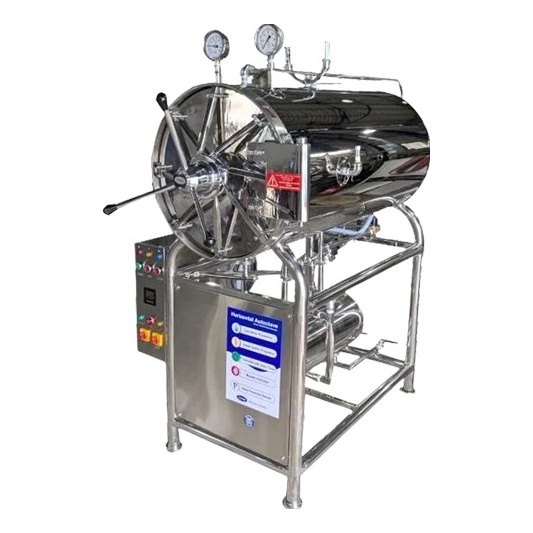
- Autoclaves (Horizontal, Vertical, High‑Pressure Radial Locking) – Essential for sterilizing media, glassware, and biohazard waste. Look for automatic cycles, pressure gauges, and validated sterilization logs.
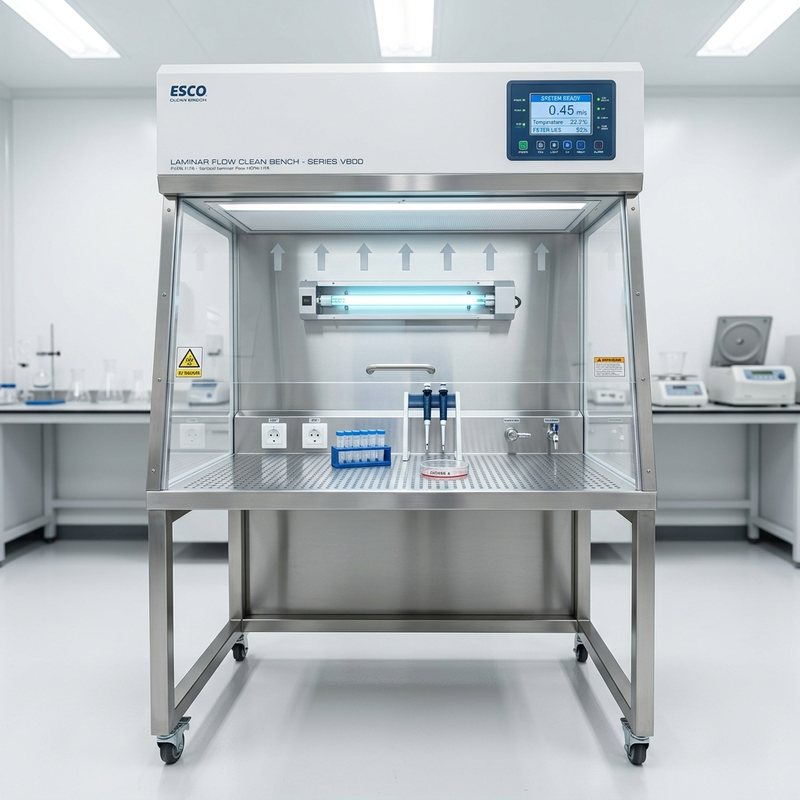
- Laminar Air Flow Cabinets – Supply HEPA‑filtered laminar airflow (horizontal or vertical) to create a sterile work zone for aseptic techniques.
- Refrigerated Centrifuges & Microcentrifuges – Enable rapid separation of cells, nucleic acids, and proteins at temperatures down to 4 °C.
- Water Baths & Concentric Ring Baths – Offer uniform heating (30‑100 °C) for enzyme reactions and sample incubation.
- Fume Hoods & Chemical Fume Extractors – Protect users from volatile organic compounds and toxic vapors.
- Ovens & Furnaces (Hot‑Air Oven, Muffle Furnace, High‑Temperature Furnace) – Provide dry heat up to 1400 °C for sample drying, glassware sterilization, and material testing.
- Refrigerated/Chilled Water Baths & Laboratory Chillers – Maintain low temperatures (0‑25 °C) for temperature‑sensitive assays.
- Electrothermal Devices (Heating Mantles, Hot Plates, Bunsen Burners) – Deliver precise heating for reactions, extractions, and distillations.
- Soxhlet Extraction Apparatus – Enables continuous solvent extraction of natural products.
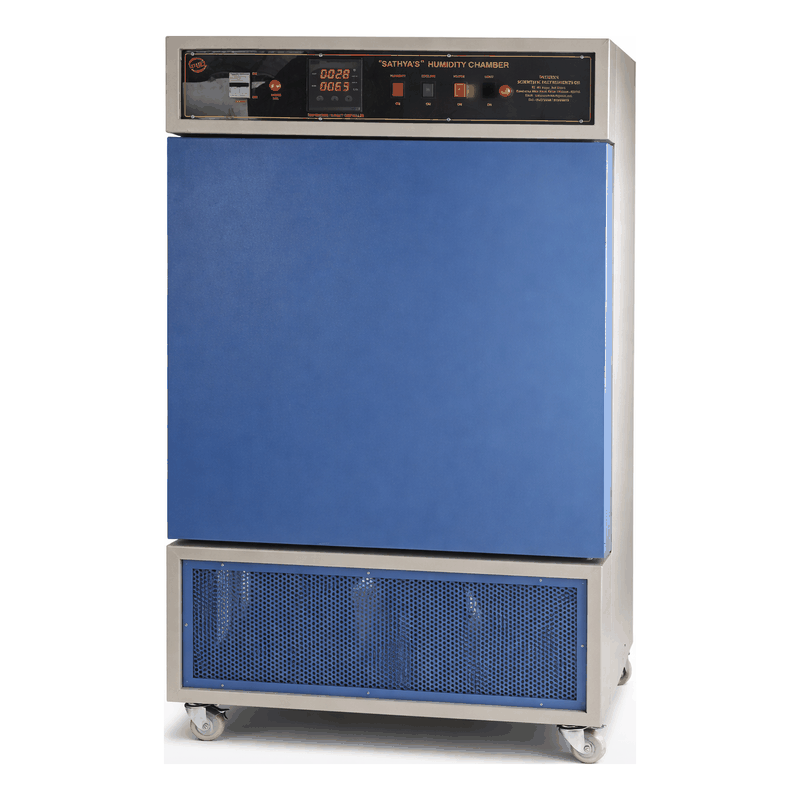
- Humidity Chambers – Critical for ICH stability studies and controlled‑humidity experiments.
How to Choose the Right Lab Equipment List for College Biotechnology Departments
When assembling the list, consider the following criteria:
- Application Scope: Map each instrument to the curriculum (e.g., molecular biology, fermentation, protein purification). A teaching lab may need simpler, rugged models, whereas a research‑intensive department benefits from high‑precision devices.
- Capacity & Throughput: Estimate daily sample volume. A 12‑hole water bath serves multiple benches, while a high‑capacity autoclave (e.g., 30 L) reduces batch cycles.
- Accuracy & Calibration: Instruments like spectrophotometers should have ±1 % accuracy and traceable calibration certificates (ISO 17025).
- Safety Features: Look for emergency stop buttons, pressure relief valves, and interlocked doors on autoclaves; UV‑C filters on laminar flow cabinets.
- Energy Efficiency: In Chennai’s warm climate, energy‑saving thermostats and inverter‑controlled compressors lower operating costs.
- Service & Spare Parts Availability: Choose suppliers with local service centers; quick access to consumables (e.g., filter cartridges) prevents downtime.
Comparison of Popular Autoclave Technologies
Autoclaves dominate the Lab Equipment List for College Biotechnology Departments. Below is a quick comparison:
| Model | Design | Typical Load | Key Advantage |
|---|---|---|---|
| Horizontal Autoclave | Horizontal chamber, swing‑door | 30 L | Easy loading of trays and large glassware |
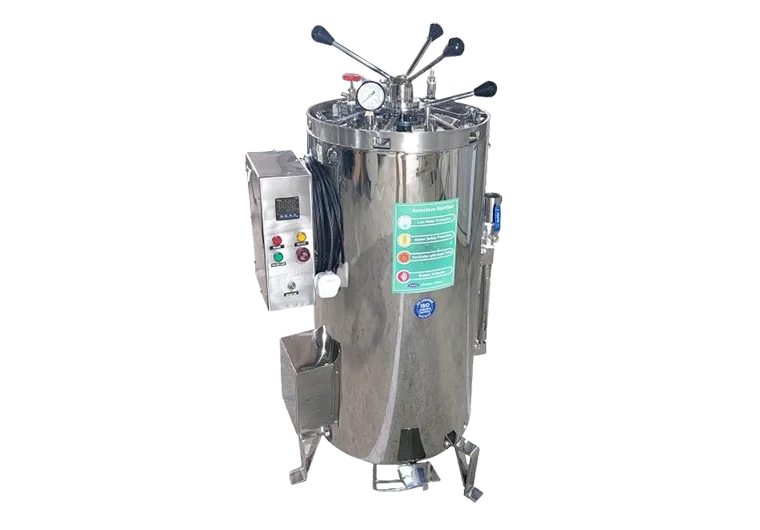
| Vertical Autoclave | Vertical chamber, top‑load | 20 L | Smaller footprint, ideal for limited bench space |
| High‑Pressure Radial Locking Autoclave | Radial locking doors | 40 L | Rapid cycle times, high safety rating |
For a college with limited space, a vertical autoclave may be preferable, whereas a high‑throughput teaching lab might opt for the horizontal model.
Installation, Calibration, and Routine Maintenance
Proper installation ensures longevity and compliance:
- Site Preparation: Verify stable power supply (220 V, 50 Hz), proper drainage for autoclave condensate, and adequate ventilation for fume hoods.
- Calibration Schedule: Follow manufacturer‑recommended intervals—typically quarterly for temperature probes and annually for pressure gauges.
- Cleaning Protocols: Autoclave chambers should be wiped with 70 % ethanol after each cycle; laminar flow cabinets require HEPA filter replacement every 12‑18 months.
- Troubleshooting Tips: If an incubator shows temperature drift, check the sensor connection and recalibrate the PID controller before contacting service.
Common Mistakes to Avoid When Building Your Lab Equipment List
Even experienced managers can overlook critical details:
- Purchasing equipment without verifying compatibility with existing infrastructure (e.g., insufficient bench space for a large furnace).
- Neglecting to factor in consumable costs—filters, sterile bags, and calibration standards can add up.
- Ignoring local regulations such as the Indian Pharmacopeia (IP) and ISO standards for laboratory safety.
- Choosing the cheapest model without assessing warranty terms; limited warranty may lead to higher total cost of ownership.
- Failing to train staff on proper use, which often results in premature wear or safety incidents.
Frequently Asked Questions
What is the minimum set of equipment for a new biotechnology department?
A functional starter list includes an incubator, a small‑capacity autoclave, a laminar flow cabinet, a micro‑centrifuge, a water bath, a hot‑air oven, and basic heating devices (hot plate, Bunsen burner). This covers most teaching labs for microbiology, cell culture, and basic molecular techniques.
How often should autoclave performance be validated?
Validation is required after installation, after any major maintenance, and then at least quarterly using biological indicators (e.g., Bacillus subtilis spores) to confirm a 15‑minute exposure at 121 °C.
Are there Indian standards specific to biotechnology labs?
Yes. The Bureau of Indian Standards (BIS) publishes IS 10500 for microbiological safety, and the Department of Biotechnology (DBT) provides guidelines for laboratory design. Refer to the CDC guidelines for biotechnology labs for international best practices that complement Indian regulations.
Can I lease equipment instead of buying outright?
Leasing is common for high‑cost items like high‑pressure autoclaves and furnaces. It reduces upfront capital expenditure and often includes maintenance contracts, but be sure to compare total lease cost against purchase price over the equipment’s expected lifespan.
What after‑sales support should I expect from a supplier?
Look for on‑site installation, a 12‑month warranty, access to calibration certificates, and a local service network for spare parts. Suppliers that provide training workshops add considerable value.
Final Verdict and Practical Recommendations
Compiling a comprehensive Lab Equipment List for College Biotechnology Departments is a balancing act between academic needs, budget constraints, and regulatory compliance. Prioritize versatile instruments—such as a horizontal autoclave, a laminar flow cabinet, and a multi‑temperature water bath—that serve both teaching and research. Ensure each item meets Indian safety standards, offers reliable after‑sales service, and fits the physical layout of your campus.
Ready to explore specific models that match these criteria? Visit our How to Set Up a Microbiology Lab: Essential Equipment List page for detailed product specifications and contact our team for a customized quotation.