In laboratory practice, a Humidity Chamber is the cornerstone for meeting ICH stability requirements. This guide walks you through the working principle, key components, selection criteria, maintenance tips, and common pitfalls, helping laboratory managers and procurement teams in Chennai, Tamil Tamil Nadu, and across India make an informed purchase.
Table of Contents
- How a Humidity Chamber for ICH Stability Testing: Complete Guide Operates
- Core Components and Their Functions
- Features of Humidity Chamber for ICH Stability Testing: Complete Guide
- Selection Tips for Humidity Chamber for ICH Stability Testing: Complete Guide
- Alternative Technologies and How They Compare
- Installation, Calibration, and Routine Maintenance
- Safety Precautions and Common Operational Mistakes
- Frequently Asked Questions
- Final Verdict and Practical Recommendations
How a Humidity Chamber for ICH Stability Testing: Complete Guide Operates
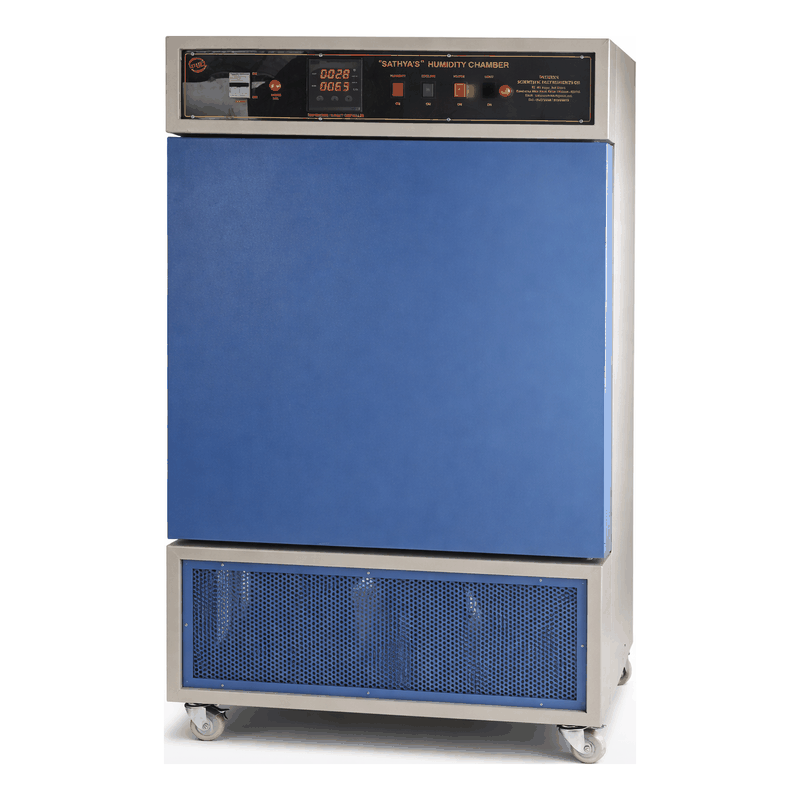
The chamber maintains a precisely controlled temperature and relative humidity (RH) environment, typically ranging from 5 °C to 60 °C and 10 % to 95 % RH. Sensors placed inside the chamber feed real‑time data to a micro‑processor, which drives heating elements, cooling coils, and humidification/dehumidification modules to keep the set points within ±0.5 °C and ±2 % RH, as required by ICH Q1A(R2). The closed‑loop control ensures uniform conditions throughout the test volume, eliminating gradients that could skew stability data.
Core Components and Their Functions
- Thermal chamber – insulated stainless‑steel or aluminum body with a sealed door.
- Temperature control unit – PID controller with dual‑zone capability.
- Humidity generation system – ultrasonic or evaporative humidifier paired with a desiccant dryer.
- Sensors – calibrated platinum resistance thermometer (PT100) and capacitive RH sensor.
- Data logger – internal memory or USB output for continuous recording.
- Safety interlocks – door‑lock, over‑temperature alarm, and humidity fail‑safe.
Features of Humidity Chamber for ICH Stability Testing: Complete Guide
When evaluating models, look for the following specifications that align with ICH guidelines:
- Temperature range: 5 °C – 60 °C (or wider for special studies).
- Relative humidity range: 10 % – 95 % RH.
- Accuracy: ±0.5 °C temperature, ±2 % RH.
- Uniformity: ≤ ±1 % RH across the chamber volume.
- Capacity: From 0.5 L benchtop units to 500 L walk‑in chambers.
- Control interface: Touchscreen with programmable cycles and remote monitoring.
- Compliance: ISO 13485, CE marking, and validation support documents.
Selection Tips for Humidity Chamber for ICH Stability Testing: Complete Guide
A common consideration during equipment selection is matching the chamber size to the sample load. Over‑crowding reduces air circulation, while an oversized chamber increases energy consumption. Follow these steps:
- Determine the total volume of samples (including trays, bottles, and packaging).
- Add 20 % headroom for airflow.
- Check the chamber’s temperature and humidity uniformity maps – manufacturers should provide validation data.
- Verify that the control software can generate ICH‑compliant stability protocols (e.g., 25 °C/60 % RH for 12 months).
- Confirm availability of local service support in Chennai and spare parts inventory.
Alternative Technologies and How They Compare
While a dedicated humidity chamber is the gold standard, some laboratories use incubators with external humidifiers or environmental test chambers designed for electronics. These alternatives often lack the tight RH control and certification documentation needed for pharmaceutical stability studies, making them unsuitable for ICH submissions. A high‑quality humidity chamber remains the most reliable option for regulatory compliance.
Installation, Calibration, and Routine Maintenance
Proper installation ensures long‑term performance:
- Place the chamber on a level, vibration‑free floor away from direct sunlight.
- Allow a 24‑hour conditioning period before first use.
- Perform a full calibration using NIST‑traceable temperature and humidity standards at least annually.
- Clean the interior with a lint‑free cloth and mild detergent; avoid abrasive cleaners that can damage the humidity sensor.
- Inspect door seals weekly for wear; replace them to maintain chamber integrity.
Safety Precautions and Common Operational Mistakes
Safety interlocks prevent accidental exposure to high humidity or temperature. Always ensure the door is fully closed before starting a run. Common mistakes include:
- Setting RH above 90 % without proper condensation management, leading to water pooling on samples.
- Neglecting to log calibration certificates, which can invalidate stability data during audits.
- Overloading the chamber, causing temperature gradients and inaccurate results.
Frequently Asked Questions
What ICH guideline defines the environmental conditions for stability testing?
The official reference is ICH Q1A(R2). Detailed requirements are available on the ICH website.
Can I use a humidity chamber for microbiology studies?
Yes, but ensure the chamber’s material is compatible with sterilization procedures and that the RH range meets the specific microbial growth requirements.
How often should I recalibrate the chamber?
Annual calibration is standard, though high‑throughput labs may opt for semi‑annual checks to maintain compliance.
Is there a warranty for humidity chambers sold in India?
Reputable suppliers typically offer a one‑year manufacturer warranty covering parts and labor, with options to extend after‑sale support.
What documentation is required for regulatory submissions?
Calibration certificates, chamber qualification (IQ/OQ/PQ) reports, and detailed stability protocol logs must be retained for the product lifecycle.
Final Verdict and Practical Recommendations
Choosing the right humidity chamber is pivotal for ICH‑compliant stability testing. Prioritize accurate temperature/RH control, validated uniformity, and local after‑sales service. For laboratories in Chennai and throughout India, a chamber that meets ISO 13485 and offers easy data export will streamline both testing and regulatory filing.
Ready to explore models that fit your laboratory’s needs? Visit the Humidity Chamber product page to compare specifications, request a quotation, and arrange on‑site installation assistance.