
When you search for laboratory equipment manufacturers in Tamil Nadu, you expect a mix of reliable engineering, compliance with Indian standards, and after‑sales support that matches the demanding environment of research labs, pharmaceutical production, and educational institutions. In this guide we break down the core technologies, product families, and selection criteria that help laboratory managers and procurement teams make informed decisions while sourcing locally in Chennai, Coimbatore, and other industrial hubs of Tamil Nadu.
Table of Contents
- How Laboratory Equipment Manufacturers in Tamil Nadu Design Their Products
- Key Products from Laboratory Equipment Manufacturers in Tamil Nadu
- How to Evaluate Laboratory Equipment Manufacturers in Tamil Nadu
- Comparing Local Manufacturers with National and International Brands
- Installation, Calibration, and Routine Maintenance
- Common Mistakes to Avoid When Purchasing Laboratory Equipment
- Frequently Asked Questions
- Final Verdict and Practical Recommendations
How Laboratory Equipment Manufacturers in Tamil Nadu Design Their Products
Most manufacturers in the state follow a modular design philosophy that separates the core functional chamber from control electronics. This approach simplifies upgrades, eases maintenance, and reduces downtime. Typical components include:
- Chamber body: Stainless‑steel 304 or 316L, polished to meet clean‑room standards.
- Heating/cooling system: Embedded cartridge heaters, PID controllers, and insulated jackets for precise temperature control (‑20 °C to +250 °C for ovens, 0 °C to 100 °C for water baths).
- Control panel: Micro‑processor based PLC with touchscreen interface, programmable recipes, and data‑logging capabilities.
- Safety devices: Over‑temperature cut‑off, pressure relief valves, interlock switches, and emergency stop buttons compliant with Bureau of Indian Standards (BIS).
These building blocks are common across autoclaves, hot‑air ovens, laminar flow cabinets, and analytical balances, allowing a manufacturer to offer a wide portfolio while maintaining consistent quality.
Key Products from Laboratory Equipment Manufacturers in Tamil Nadu
Below is a snapshot of the most frequently requested equipment categories, along with typical specifications that you will encounter when dealing with local suppliers.
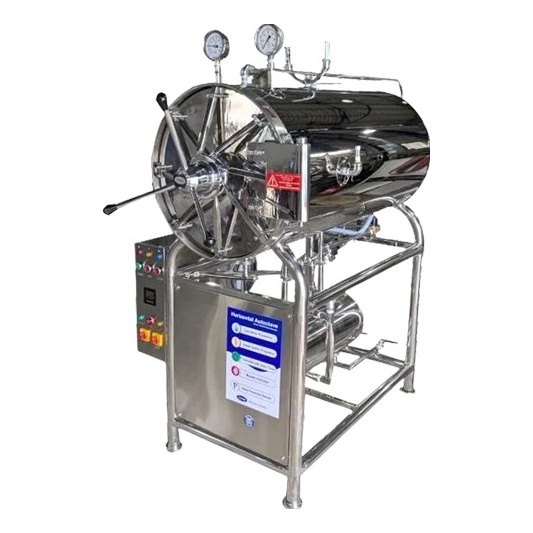
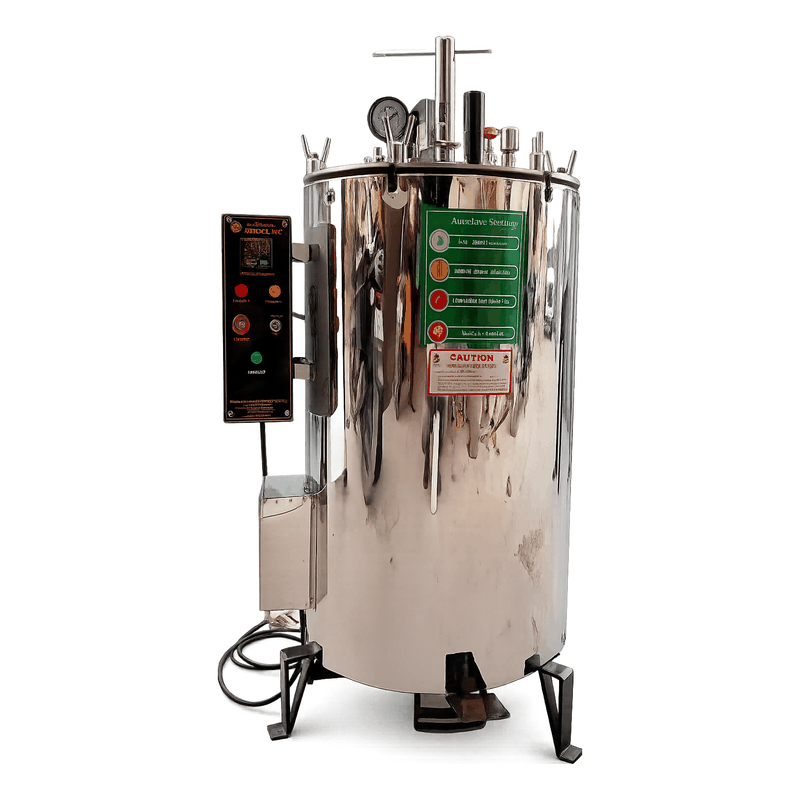
Autoclaves (Steam Sterilizers)
Autoclaves are essential for sterilizing glassware, media, and surgical instruments. Tamil Nadu manufacturers often provide:
- Capacity range: 5 L to 50 L (bench‑top to floor‑standing).
- Temperature: 121 °C ± 2 °C, with optional 134 °C cycle.
- Pressure: 1.05 bar to 2.5 bar gauge.
- Control: Digital timer, auto‑locking door, and log‑book export.
Hot‑Air Ovens and Drying Chambers
Used for polymer curing, microbiological incubation, and material testing. Typical features include:
- Temperature range: ambient to 250 °C, with ±1 °C accuracy.
- Uniformity: ±2 °C across the chamber verified by thermocouple mapping.
- Air flow: Forced convection fans, optional nitrogen purge for inert atmosphere.
- Safety: Over‑temperature alarm, insulated door, and hinged glass window for visual monitoring.
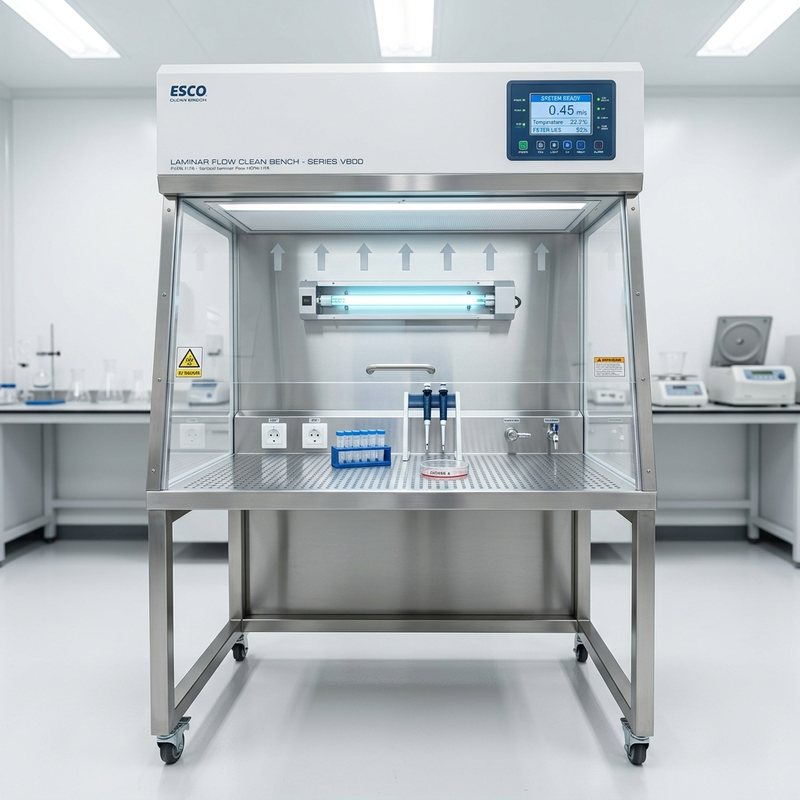
Laminar Flow Cabinets (Clean‑Bench)
These provide a sterile work area for tissue culture, microbiology, and pharmaceutical compounding. Core specifications:
- Airflow: Horizontal or vertical, 0.45 m/s to 0.6 m/s, HEPA‑13 filtration (99.95 % at 0.3 µm).
- Construction: Stainless‑steel frame, acrylic front panel, UV‑C lamp optional.
- Controls: Variable speed fan, differential pressure indicator, alarm for filter breach.
Water Baths and Temperature Controlled Shakers
Ideal for enzymatic reactions, sample incubation, and solvent heating. Features to watch for:
- Temperature range: 5 °C to 100 °C, digital control with ±0.1 °C stability.
- Capacity: 1 L to 30 L, with optional multiple chambers.
- Safety: Auto‑shutoff on low water level, over‑temperature protection.
How to Evaluate Laboratory Equipment Manufacturers in Tamil Nadu
A systematic evaluation reduces risk and ensures long‑term value. Consider the following checklist before signing a purchase order:
- Compliance & certifications: Verify ISO 9001 quality management and BIS certifications for each product line.
- Technical documentation: Request detailed user manuals, calibration certificates, and validation protocols that align with GLP/GMP requirements.
- Customization capability: Local manufacturers can adapt chamber dimensions, control software, or add accessories such as RFID logging.
- Spare parts logistics: Confirm that critical components (heaters, sensors, filters) are stocked in Tamil Nadu for rapid replacement.
- Installation & training: On‑site commissioning, operator training, and a written acceptance test are hallmarks of a mature supplier.
- Warranty and service contract: Standard warranty is 12 months; extended service agreements often include annual calibration.
Comparing Local Manufacturers with National and International Brands
While multinational brands bring brand recognition, many Tamil Nadu manufacturers offer comparable performance at lower total cost of ownership. Key differences include:
- Price elasticity: Local firms avoid import duties and shipping overhead, resulting in 15‑30 % lower upfront cost.
- Lead time: Domestic production can deliver within 4–6 weeks versus 10–12 weeks for imported units.
- After‑sales network: A regional service center in Chennai means faster response for breakdowns.
- Technology transfer: Some manufacturers license designs from global OEMs, ensuring that critical safety features meet international standards.
For labs that require niche capabilities—such as high‑pressure reactors or ultra‑low temperature freezers—imported equipment may still be the preferred choice. However, for routine sterilization, drying, and basic analytical work, Tamil Nadu manufacturers provide a cost‑effective, locally supported alternative.
Installation, Calibration, and Routine Maintenance
Proper installation sets the foundation for reliable operation. Follow these steps:
- Level the equipment on a vibration‑free, load‑bearing floor; use anti‑skid pads for heavy ovens.
- Connect to a dedicated, earth‑grounded power circuit with the voltage and frequency specified (typically 230 V ± 10 % at 50 Hz).
- Perform a pre‑run calibration using certified reference standards—temperature probes for ovens, pressure gauges for autoclaves, airflow meters for laminar cabinets.
- Document the initial acceptance test and store the report for regulatory audits.
Routine maintenance tasks include:
- Monthly cleaning of chamber interiors with mild detergent; avoid abrasive pads that damage the stainless finish.
- Quarterly inspection of gaskets, door seals, and pressure relief valves; replace any worn components.
- Annual calibration of temperature and pressure sensors by an ISO‑17025 accredited lab.
- Filter replacement in laminar flow cabinets every 12 months or when pressure drop exceeds 10 % of baseline.
Common Mistakes to Avoid When Purchasing Laboratory Equipment
Even experienced procurement teams can overlook details that later cause downtime:
- Ignoring local climate impact: High humidity in coastal Chennai can accelerate corrosion; select corrosion‑resistant grades and ensure proper dehumidification.
- Under‑estimating power requirements: A 5 kW oven may need a dedicated circuit; failure to allocate proper load can trip breakers.
- Skipping validation documentation: For regulated labs, missing validation protocols can halt product release.
- Choosing the cheapest option without warranty: Low‑cost units often lack spare‑part support, leading to higher lifecycle costs.
- Not involving end‑users early: Operators provide practical insights on ergonomics, workflow integration, and software usability.
Frequently Asked Questions
What certifications should I look for in Tamil Nadu‑based laboratory equipment?
At a minimum, verify ISO 9001 for the manufacturer’s quality system and BIS certification for the specific product. For pharmaceutical applications, compliance with IS / ISO 13485 (medical devices) or USP (sterile compounding) may be required.
Can I get a custom‑size autoclave for a small bench space?
Yes. Many local manufacturers offer modular chamber designs that can be built to dimensions as small as 30 cm × 30 cm × 30 cm, with the same safety features as standard models.
How long does it take to get a spare part from a Tamil Nadu supplier?
Critical components such as heating elements, pressure sensors, or HEPA filters are usually stocked in the Chennai warehouse and can be shipped within 2–3 business days. Non‑standard parts may require 1–2 weeks.
Is it necessary to have a service contract for equipment under warranty?
A warranty covers manufacturing defects, but preventive maintenance is usually not included. An annual service contract ensures scheduled calibration, cleaning, and quick troubleshooting, which is especially valuable for high‑throughput labs.
Do Tamil Nadu manufacturers provide training in regional languages?
Most vendors offer training in English and Tamil, and some provide bilingual manuals to facilitate local staff adoption.
Final Verdict and Practical Recommendations
Laboratory equipment manufacturers in Tamil Nadu combine engineering competence with a responsive service network, making them a strong choice for Indian labs seeking cost‑effective, compliant solutions. To maximise value:
- Define your performance specifications (temperature range, capacity, accuracy) before contacting suppliers.
- Ask for a detailed quotation that includes installation, training, spare parts, and warranty terms.
- Validate that the vendor holds ISO 9001 and BIS certifications for the product line.
- Plan for regular calibration and preventive maintenance to avoid unexpected downtime.
Ready to explore a curated selection of instruments that meet these criteria? Visit our comprehensive guide to laboratory equipment manufacturers in India for more details on sourcing, specifications, and after‑sales support.
