Laboratory managers and procurement specialists in Tamil Tamil Nadu often ask, “where can I find reliable hot air oven manufacturers in Chennai?” A hot air oven is a work‑horse for dry‑heat applications such as sterilisation, material testing, and polymer curing. Choosing a local supplier can reduce lead‑time, simplify after‑sales service, and ensure compliance with Indian standards like IS 1023 for laboratory ovens.
Table of Contents
- How a Hot Air Oven Works – The Core Principles
- Key Features to Look for in hot air oven manufacturers in Chennai
- Typical Applications of Laboratory Hot Air Ovens
- Why Choose Local hot air oven manufacturers in Chennai
- Selecting the Right Hot Air Oven – A Practical Checklist
- Alternative Technologies – When a Hot Air Oven May Not Be Ideal
- Installation, Calibration, and Routine Maintenance
- Common Mistakes to Avoid
- Frequently Asked Questions
- Final Verdict and Recommendation
How a Hot Air Oven Works – The Core Principles
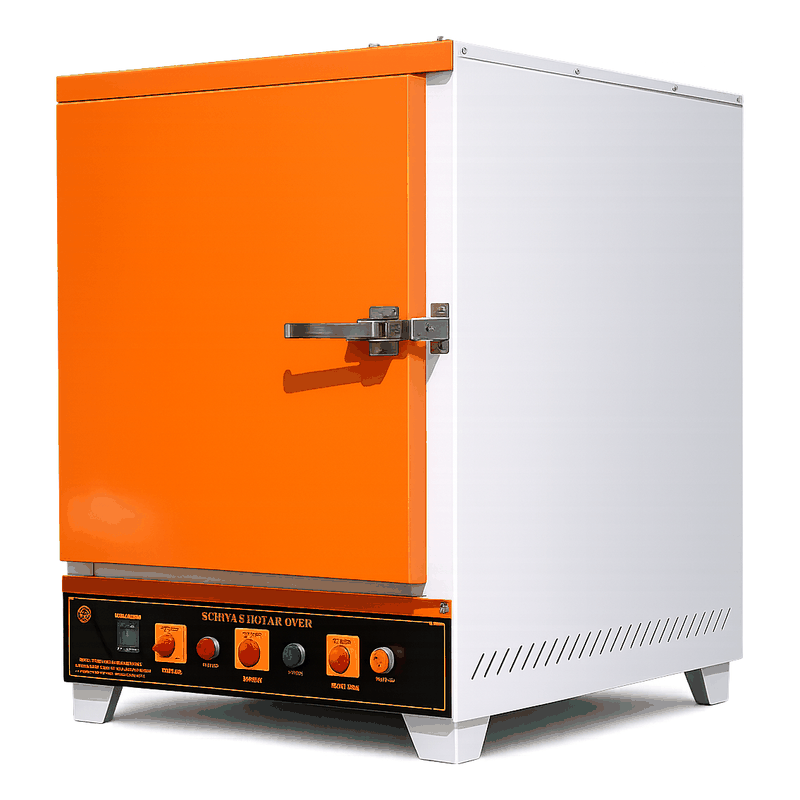
A hot air oven generates uniformly distributed dry heat using electrically heated resistance elements and a forced‑air fan. The temperature‑controlled chamber is insulated with double‑wall stainless steel to minimise heat loss. Modern units incorporate a PID controller that maintains temperature accuracy within ±1 °C, while a built‑in timer allows precise exposure cycles.
Key Features to Look for in hot air oven manufacturers in Chennai
- Temperature range and accuracy – Typical laboratory ovens cover 50 °C to 250 °C; research labs may need up to 300 °C. Look for a ±1 °C accuracy claim verified by calibration certificates.
- Capacity and chamber design – Capacity is expressed in litres; choose a size that fits your tray configuration. Stainless‑steel interiors resist corrosion from chemicals.
- Control interface – Digital LCD panels with programmable ramps and soak periods improve repeatability.
- Safety mechanisms – Over‑temperature cut‑off, door interlock, and insulated handles are essential for user safety.
- Compliance and certifications – Ensure the oven meets BIS (Bureau of Indian Standards) or ISO 9001 quality management requirements.
Typical Applications of Laboratory Hot Air Ovens
In pharmaceutical quality control, hot air ovens are used for stability studies, moisture removal, and sterilisation of glassware. Academic institutions rely on them for material science experiments, such as testing thermal degradation of polymers. Industrial buyers employ larger capacity ovens for curing composite parts or pre‑heating components before machining.
Why Choose Local hot air oven manufacturers in Chennai
Local manufacturers provide several practical advantages:
- Reduced shipping time and cost – Domestic logistics avoid the customs delays associated with imports.
- On‑site installation and commissioning – Technicians can calibrate the oven in your lab, verify temperature uniformity, and train staff.
- Spare parts availability – Genuine components such as heating elements and fan assemblies are stocked locally, shortening downtime.
- Regulatory alignment – Indian manufacturers are familiar with IS 1023, IS 1154, and other regional requirements.
Selecting the Right Hot Air Oven – A Practical Checklist
Before you contact a supplier, answer the following questions:
- What is the maximum temperature required for your processes?
- How much chamber volume do you need for the number of trays or racks you use daily?
- Do you need a programmable temperature profile (ramp‑up, soak, ramp‑down)?
- Is a stainless‑steel interior mandatory for chemical resistance?
- What are the space constraints and power supply specifications in your laboratory?
Once you have these parameters, request a quotation that includes:
- Technical datasheet with temperature uniformity map.
- Calibration certificate (traceable to NPL or BIS).
- Warranty period and after‑sales service agreement.
- Installation, training, and optional annual maintenance contract.
Alternative Technologies – When a Hot Air Oven May Not Be Ideal
For applications that require rapid temperature changes or inert atmospheres, a vacuum oven or a nitrogen‑purged oven might be more suitable. If you need moisture‑controlled drying, a humidity chamber offers precise relative‑humidity regulation. However, for most dry‑heat sterilisation and material testing tasks, a conventional hot air oven remains the most cost‑effective solution.
Installation, Calibration, and Routine Maintenance
Proper installation is critical for temperature stability. Place the oven on a level, vibration‑free surface away from direct sunlight or drafts. After installation, perform a three‑point calibration (top, middle, bottom) using a calibrated thermocouple. Routine maintenance includes:
- Cleaning the interior with a lint‑free cloth; avoid abrasive cleaners that can damage the stainless surface.
- Inspecting the fan and heating elements for dust accumulation every six months.
- Verifying door seals for wear; replace gaskets if air leakage is detected.
- Running a weekly 30‑minute “burn‑in” cycle at 150 °C to stabilise the heating elements.
Common Mistakes to Avoid
New users often overload the chamber, leading to uneven temperature distribution. Always follow the manufacturer’s recommended load capacity and allow adequate airflow between trays. Another frequent error is using the oven for wet‑heat processes; moisture can cause corrosion and affect temperature control. Finally, neglecting regular calibration can result in non‑compliant test results, especially in regulated pharmaceutical environments.
Frequently Asked Questions
What is the typical lifespan of a laboratory hot air oven?
With regular maintenance, a well‑built oven can operate reliably for 10–15 years. Component wear, especially of heating elements, determines the need for replacement.
Can I use a hot air oven for sterilising metal instruments?
Yes, provided the temperature exceeds the required sterilisation temperature (usually 160–180 °C) and the dwell time meets the standard. Verify that the oven’s interior material is compatible with the instruments.
Do Indian manufacturers offer ISO‑9001 certification?
Many reputable manufacturers in Chennai hold ISO 9001 certification, which demonstrates adherence to quality management principles. The Bureau of Indian Standards also lists approved laboratory equipment.
How does the price of a locally manufactured oven compare with imported models?
Local ovens generally have lower total cost of ownership due to reduced freight, no import duties, and easier access to spare parts. While the upfront price may be comparable, long‑term service costs are often lower.
Is it necessary to have a separate power line for the oven?
Most laboratory hot air ovens require a dedicated 3‑phase 415 V supply to handle the high power draw of the heating elements and fan. Consult an electrician to verify your lab’s electrical capacity.
Final Verdict and Recommendation
When searching for hot air oven manufacturers in Chennai, focus on suppliers that provide certified temperature accuracy, robust stainless‑steel construction, and comprehensive after‑sales support. Evaluate the technical datasheet against your application needs, and ask for on‑site calibration before acceptance.
For a reliable source of laboratory ovens that meets Indian standards, explore the product range on the Sathya Scientific official website. Their catalogue includes models with programmable controls, various chamber capacities, and full warranty coverage, making them a practical choice for labs across Tamil Nadu.
By partnering with a local manufacturer, you gain faster delivery, easier maintenance, and a partner familiar with regional compliance—key factors that keep your laboratory running smoothly.