Laboratory managers and procurement teams across India frequently ask, “where can I find reliable horizontal autoclave manufacturers in India?” Whether you run a pharmaceutical clean‑room in Chennai, a research institute in Bangalore, or a teaching laboratory in Delhi, the choice of a horizontal autoclave impacts sterility assurance, workflow efficiency, and long‑term operating costs. This guide walks you through the technology, key specifications, selection tips, and maintenance practices so you can make an informed purchase from an Indian supplier.
Table of Contents
- Understanding the Working Principle of Horizontal Autoclaves
- Key Components and Features of Horizontal Autoclave Models
- Typical Specifications Sought from Horizontal Autoclave Manufacturers in India
- How to Choose the Right Horizontal Autoclave for Your Facility
- Comparison with Vertical Autoclaves and Alternative Sterilisation Technologies
- Installation, Calibration, and Routine Maintenance
- Common Mistakes to Avoid When Using Horizontal Autoclaves
- Frequently Asked Questions
- Final Verdict and Practical Recommendations
Understanding the Working Principle of Horizontal Autoclaves
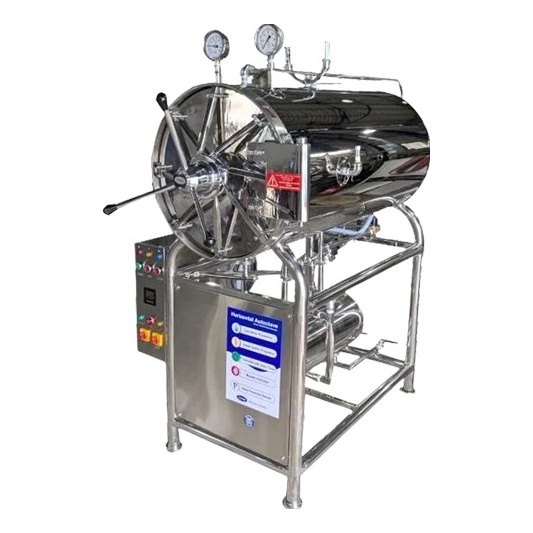
Horizontal autoclaves are steam‑based sterilizers that use pressurised saturated steam to achieve a lethal temperature (typically 121 °C – 134 °C) for a defined exposure time. The horizontal orientation places the chamber on a low‑profile frame, allowing easy loading of large trays, glassware, or bulk media packs. Steam is generated in a boiler, routed through a distribution manifold, and forced into the chamber where it displaces air via a vacuum pump or pre‑vacuum cycle. The combination of high temperature, pressure, and moisture denatures proteins and destroys bacterial spores, providing a validated sterility assurance level (SAL) required by regulatory bodies.
Key Components and Features of Horizontal Autoclave Models
Modern horizontal autoclave manufacturers in India equip their units with a consistent set of core components:
- Stainless‑steel chamber (AISI 304/316): corrosion‑resistant, easy to clean, and compliant with USP Chapter 797 for pharmaceutical use.
- Vacuum pump and air removal system: improves steam penetration and reduces cycle times.
- Digital PLC controller: programmable cycles, temperature/pressure logging, and remote monitoring.
- Safety interlocks and pressure relief valves: meet BIS and ISO 13485 safety standards.
- Insulated door gasket and heat‑seal: ensures uniform temperature distribution.
Additional optional features often include a built‑in drying system, RFID tray tracking, and integration with laboratory information management systems (LIMS).
Typical Specifications Sought from Horizontal Autoclave Manufacturers in India
When reviewing product datasheets, focus on the following specifications:
- Capacity: 30 L – 500 L chamber volumes are common; select based on the size of loads you sterilise daily.
- Temperature range: 121 °C (standard) to 134 °C (high‑temperature cycles) with ±0.5 °C accuracy.
- Pressure range: 0.1 MPa – 0.3 MPa (15 psi – 45 psi).
- Cycle time: Pre‑vacuum cycles can reduce total sterilisation time by 20‑30 % compared with gravity‑displacement models.
- Power consumption: 3 kW – 7 kW typical; look for energy‑efficient models with variable frequency drives (VFD).
- Compliance: BIS certification, ISO 13485, CE marking for export.
How to Choose the Right Horizontal Autoclave for Your Facility
A common consideration during equipment selection is matching the autoclave’s capacity and cycle flexibility to your workload. Follow these steps:
- Assess load profile: Calculate daily volume (litres) and type of items (glassware, metal instruments, media bags). Larger chambers reduce the number of cycles per day.
- Determine space constraints: Horizontal units sit low to the floor; verify floor‑loading clearance and door swing clearance in your lab layout.
- Evaluate control requirements: If you need automated record‑keeping for GMP compliance, opt for a PLC with USB/Ethernet data export.
- Check service network: Choose a manufacturer with a regional service centre in Tamil Nadu, Maharashtra, or Karnataka for rapid spare‑part delivery.
- Compare total cost of ownership: Factor in initial price, energy consumption, routine maintenance contracts, and warranty length (typically 12‑24 months).
Comparison with Vertical Autoclaves and Alternative Sterilisation Technologies
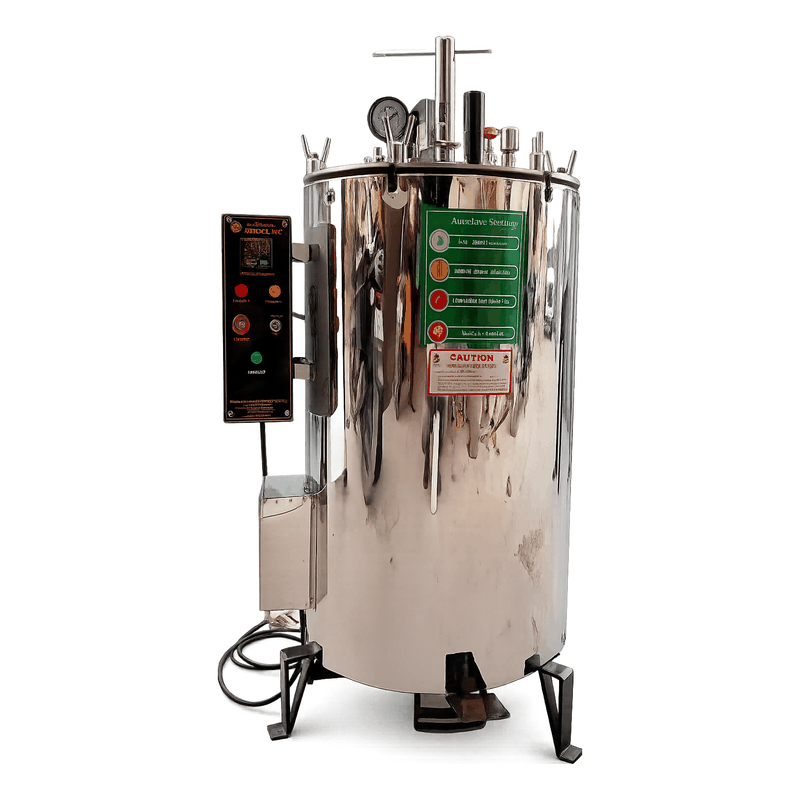
Horizontal autoclaves excel when you need to process large, flat loads such as tray‑packed media or surgical instruments. Vertical autoclaves, by contrast, are space‑efficient for small‑volume batch cycles but require more handling effort for bulky items. Other sterilisation methods—dry heat ovens, ethylene oxide chambers, and low‑temperature hydrogen peroxide plasma—offer niche advantages (e.g., heat‑sensitive devices) but generally involve longer cycle times, higher operational costs, or stricter regulatory controls. For most pharmaceutical and microbiology labs in India, a horizontal steam autoclave remains the most cost‑effective, validated solution.
Installation, Calibration, and Routine Maintenance
Proper installation is critical to achieving the advertised performance:
- Leveling and anchoring: Ensure the unit sits on a vibration‑free, level concrete slab; secure the frame to prevent movement during high‑pressure cycles.
- Steam and condensate connections: Use insulated stainless‑steel piping; install a condensate return pump to avoid water hammer.
- Calibration: Perform temperature and pressure verification with a calibrated reference sensor at least annually, as required by ISO 13485.
Routine maintenance tasks include:
- Cleaning the chamber interior with a mild detergent and a soft brush after each use.
- Inspecting door gaskets for wear and replacing them every 2‑3 years.
- Testing the vacuum pump oil level and changing oil per the manufacturer’s schedule.
- Descaling the boiler and checking safety valves for proper operation.
Most Indian manufacturers provide a preventive‑maintenance contract that covers quarterly inspections, spare‑part kits, and on‑site technician visits.
Common Mistakes to Avoid When Using Horizontal Autoclaves
In laboratory practice, the following errors are frequently observed:
- Over‑loading the chamber: This creates steam pockets, leading to incomplete sterilisation.
- Insufficient air removal: Skipping the pre‑vacuum step reduces steam penetration, especially for dense loads.
- Using hard water without a water softener: Scale buildup on the boiler decreases efficiency and shortens equipment life.
- Neglecting documentation: Failure to retain cycle logs can cause non‑compliance during audits.
Frequently Asked Questions
What is the typical lifespan of a horizontal autoclave in India?
With regular preventive maintenance, a well‑maintained horizontal autoclave can operate reliably for 10‑15 years. Component wear—especially the vacuum pump and door seals—often dictates the need for refurbishment.
Are horizontal autoclaves compliant with GMP regulations?
Yes. When sourced from a reputable Indian manufacturer that follows ISO 13485 and provides BIS certification, the unit meets GMP requirements for sterility assurance, documentation, and validation.
Can I use a horizontal autoclave for dry heat cycles?
Some models offer a “dry‑heat” program that uses hot air after the steam cycle to dry loads, but they are not a substitute for dedicated dry‑heat ovens when temperatures above 160 °C are required.
How much floor space does a 250 L horizontal autoclave occupy?
Typical dimensions are approximately 1200 mm × 900 mm × 1500 mm (L × W × H). Verify the exact footprint from the supplier’s technical drawing before ordering.
Is remote monitoring possible?
Modern units equipped with PLC controllers can be networked via Ethernet or Wi‑Fi, allowing real‑time cycle monitoring and alarm notifications on a PC or mobile device.
Final Verdict and Practical Recommendations
For Indian laboratories that require high‑throughput, validated steam sterilisation, horizontal autoclave manufacturers in India offer a range of capacities and automation levels that can be tailored to specific workflows. Prioritise manufacturers that provide:
- Certified stainless‑steel construction and BIS compliance.
- Comprehensive after‑sales service with local technicians.
- Clear documentation for validation, calibration, and spare‑part availability.
By matching the unit’s capacity, control features, and service network to your lab’s operational needs, you can minimise downtime and ensure consistent sterility. To explore a curated selection of horizontal autoclaves that meet these criteria, visit the laboratory autoclave manufacturers in India page on Sathya Scientific. A well‑chosen autoclave will protect your research integrity, product quality, and regulatory compliance for years to come.