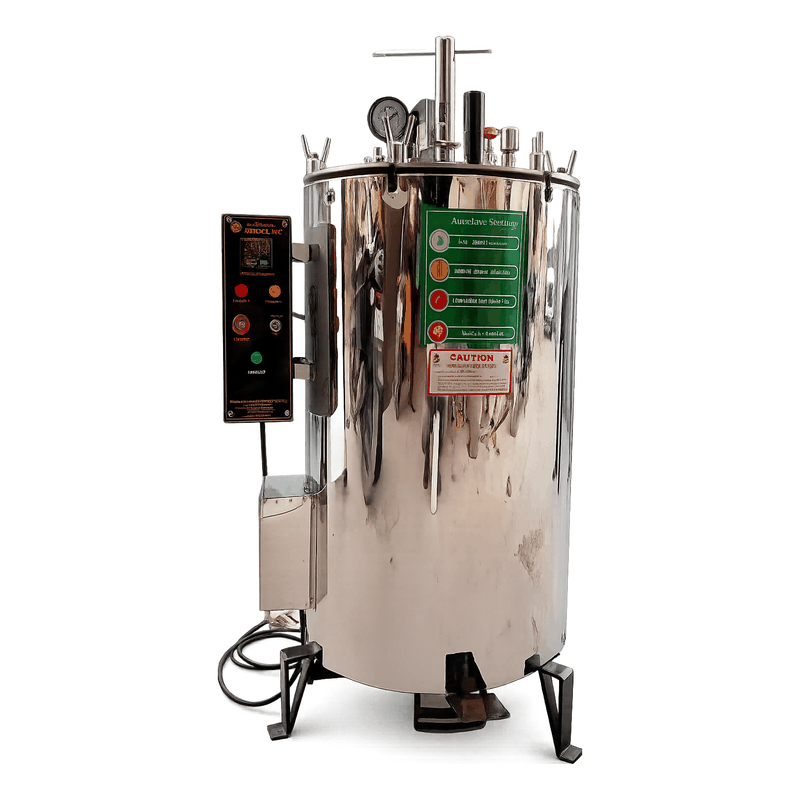
Laboratory managers and procurement teams in Tamil Tamil Nadu often ask, “Where can I find reliable vertical autoclave suppliers in Chennai?” A vertical autoclave is the work‑horse for sterilising media, glassware, and heat‑stable instruments, especially in pharmaceutical, biotech, and academic labs. This guide explains how the equipment works, the critical features to compare, and the practical steps to select a supplier that meets Indian regulatory requirements and local service expectations.
Table of Contents
- Understanding the vertical autoclave – principle of operation
- Key features to evaluate from vertical autoclave suppliers in Chennai
- How to choose the right supplier in Chennai
- Vertical autoclave vs. horizontal autoclave – a quick comparison
- Installation, validation and routine maintenance
- Common pitfalls and how to avoid them
- Frequently asked questions
- Final thoughts and next steps
Understanding the vertical autoclave – principle of operation
In a vertical autoclave, the chamber is oriented upright and the load is placed on a perforated rack that slides into the chamber from the top. The device uses saturated steam at temperatures typically ranging from 121 °C to 134 °C and pressures of 0.1–0.3 MPa to achieve sterility. The steam penetrates the load, denatures proteins, and destroys spores within a defined exposure time (e.g., 15 min at 121 °C). Modern units integrate micro‑processor controls, programmable cycles, and real‑time monitoring of temperature, pressure, and vacuum.
Key features to evaluate from vertical autoclave suppliers in Chennai
Capacity and chamber size
Capacity is expressed in litres (L) or in the number of standard trays (e.g., 12‑tray, 24‑tray). For a hospital microbiology lab, a 30 L chamber may suffice, whereas a pharmaceutical pilot plant may need 80 L or larger. Verify the internal dimensions to ensure the racks, bottles, or instrument trays you plan to sterilise will fit comfortably without crowding.
Temperature and pressure control
Look for precise PID (proportional‑integral‑derivative) controllers that maintain temperature within ±0.5 °C and pressure within ±0.02 MPa. Advanced models offer dual‑stage heating, rapid steam generation, and automatic pressure‑release valves that meet World Health Organization guidelines on sterilisation. Consistent control reduces cycle variability and protects sensitive equipment.
Materials of construction and safety systems
Stainless‑steel 304 or 316 is standard for the chamber and rack because of its corrosion resistance. Gaskets should be made of silicone or EPDM that can withstand repeated autoclave cycles. Safety features to demand include:
- Over‑temperature and over‑pressure cut‑offs
- Door interlock that prevents operation when the lid is open
- Automatic vacuum pump for air removal before steam fill
- Alarm and audible alert for cycle completion or fault conditions
How to choose the right supplier in Chennai
When evaluating vertical autoclave suppliers in Chennai, consider the following criteria:
- Local service network: A supplier with a Chennai‑based service team can respond faster to breakdowns and provide on‑site calibration.
- Documentation compliance: Ensure the supplier provides ISO 13485, BIS certification, and validation protocols that align with Indian pharmacopeia (IP) standards.
- Spare‑part availability: Stocked gaskets, pressure switches, and control boards reduce downtime.
- Warranty and training: A minimum 12‑month warranty and operator training are essential for new users.
- Total cost of ownership: Compare the purchase price, installation fees, annual service contracts, and energy consumption.
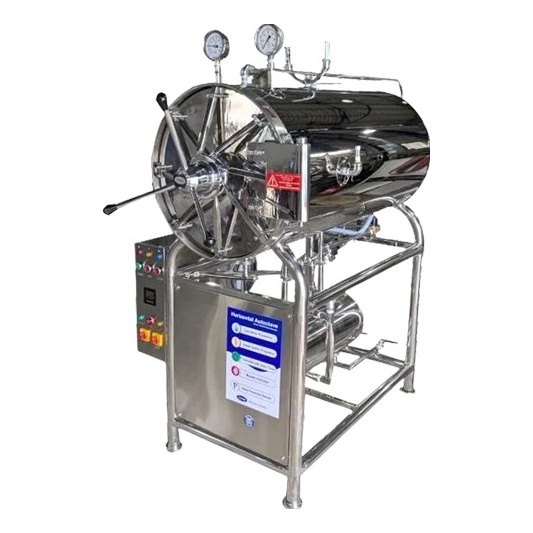
Vertical autoclave vs. horizontal autoclave – a quick comparison
Both designs achieve the same sterilisation outcome, but they differ in ergonomics and workflow:
- Space utilisation: Vertical units have a smaller footprint, ideal for labs with limited bench space in Chennai research institutes.
- Loading ergonomics: Loading from the top reduces bending and is safer for heavy glassware.
- Cycle time: Horizontal autoclaves often have faster steam penetration for large, flat loads, while vertical units excel with stacked trays.
- Cost: Horizontal models can be marginally cheaper for the same capacity, but the added labor cost of handling heavy lids may offset savings.
Installation, validation and routine maintenance
Proper installation is critical for performance and compliance. A qualified technician should:
- Level the unit on a vibration‑free platform and connect to a dedicated 3‑phase power supply.
- Hook up the steam inlet, condensate drain, and vacuum pump according to the manufacturer’s schematic.
- Perform an Installation Qualification (IQ) to verify that all components are installed correctly.
After installation, conduct an Operational Qualification (OQ) and Performance Qualification (PQ) using biological indicators (e.g., Geobacillus stearothermophilus spores) to demonstrate a >10⁶ CFU reduction. Routine maintenance includes weekly door gasket inspection, monthly pressure‑switch calibration, and annual steam generator cleaning to prevent scale buildup.
Common pitfalls and how to avoid them
Even experienced lab managers encounter avoidable issues:
- Improper loading: Over‑packing the chamber blocks steam flow and leads to cold spots. Follow the manufacturer’s loading diagram.
- Using non‑autoclavable items: Plastic pipette tips not rated for 121 °C will melt, contaminating the load.
- Neglecting water quality: Hard water causes scale on the steam generator, reducing efficiency. Use de‑ionised water or install a water softener.
- Skipping preventive maintenance: Delayed gasket replacement is a common cause of steam leaks and failed cycles.
Frequently asked questions
What is the typical lifespan of a vertical autoclave?
With regular preventive maintenance, a stainless‑steel vertical autoclave can operate reliably for 10–15 years. Major components such as the heating element or pressure sensor may require replacement after 5–7 years, depending on usage intensity.
Are spare parts readily available in Chennai?
Reputable vertical autoclave suppliers in Chennai maintain a local inventory of critical spares—gaskets, pressure switches, and control boards. Verify the supplier’s parts catalogue before purchase to avoid long lead times.
Do I need a service contract?
A service contract is advisable for high‑throughput labs. It typically covers annual calibration, emergency repairs, and software updates, ensuring compliance with regulatory audits.
Final thoughts and next steps
Choosing the right vertical autoclave supplier in Chennai hinges on technical fit, local support, and regulatory compliance. Review the capacity, control accuracy, safety features, and after‑sales service before signing a purchase order. For a curated list of manufacturers that meet Indian quality standards, explore the laboratory autoclave manufacturers in India page and contact the sales team to discuss your specific application. A well‑selected vertical autoclave will deliver consistent sterility, reduce downtime, and support the rigorous standards of pharmaceutical, academic, and industrial laboratories across Chennai.