Laboratory managers and procurement teams across India are increasingly looking for reliable laminar airflow cabinet manufacturers in India to meet strict cleanroom and GMP requirements. Whether you are setting up a new research facility in Chennai, upgrading a pharma quality‑control lab in Mumbai, or equipping an educational institute in Delhi, understanding the technical landscape helps you choose a cabinet that delivers consistent aseptic protection without compromising on cost or service.
Table of Contents
- How a Laminar Airflow Cabinet Works
- Key Features to Evaluate from laminar airflow cabinet manufacturers in India
- Choosing the Right Laminar Airflow Cabinet from Indian Manufacturers
- Alternative Technologies: Biosafety Cabinets vs. Laminar Flow Hoods
- Installation, Calibration, and Routine Maintenance
- Questions to Ask Manufacturers Before Purchase
- Frequently Asked Questions
- Final Verdict and Practical Recommendation
How a Laminar Airflow Cabinet Works
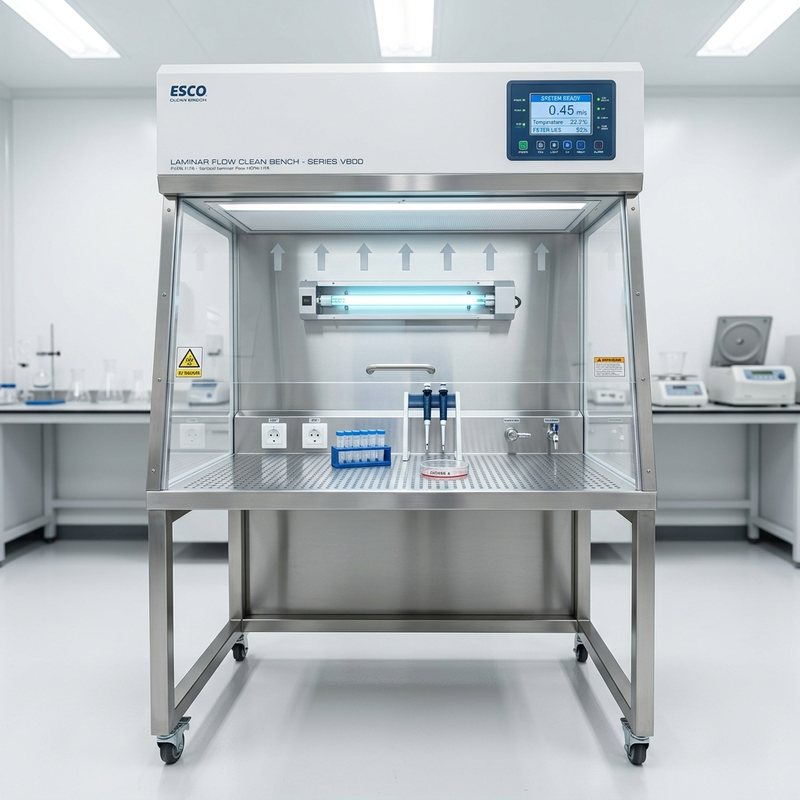
A laminar flow cabinet (LFC) creates a unidirectional stream of filtered air across the work surface. Air is drawn through a high‑efficiency particulate air (HEPA) filter (≥99.99% removal of 0.3 µm particles) and then released either vertically (vertical flow) or horizontally (horizontal flow) at a velocity of 0.3–0.5 m/s. This “laminar” flow sweeps away contaminants, providing a sterile environment for open‑bench processes such as media preparation, component weighing, and sample handling.
The main components include:
- Pre‑filter (coarse dust removal)
- HEPA filter (final sterile barrier)
- Fan or blower assembly
- Work‑surface and interior lighting
- Control panel (airflow speed, alarm, temperature)
- Optional UV‑C lamp for surface decontamination
Key Features to Evaluate from laminar airflow cabinet manufacturers in India
When reviewing product catalogs, focus on specifications that directly impact performance and compliance:
- Airflow velocity and uniformity: Certified by ISO 14644‑1 for cleanroom classification; typical vertical cabinets achieve ISO Class 5 (ISO 5) conditions.
- Filter certification: Look for filters tested to EN 1822 or BIS standards, with clear replacement intervals.
- Construction material: Stainless‑steel (304/316) interior surfaces resist corrosion and are easy to clean.
- Temperature control: Some models integrate heating/cooling to maintain 20‑30 °C, essential for cell culture work.
- Ergonomics: Adjustable sash, front‑access doors, and low‑noise fans improve operator comfort.
- Safety interlocks and alarms: Automatic shutdown if airflow drops below set point, protecting samples from exposure.
Choosing the Right Laminar Airflow Cabinet from Indian Manufacturers
A common consideration during equipment selection is the intended application. Vertical flow cabinets are preferred for aseptic work that requires a sterile work surface, while horizontal flow units are ideal for non‑sterile operations such as sample preparation where a clear view of the work area is needed.
For pharmaceutical GMP labs in Tamil Nadu, a vertical cabinet with an integrated UV‑C lamp and continuous airflow monitoring aligns with CDSCO guidelines. In contrast, academic chemistry labs often opt for horizontal cabinets because they provide better access for large vessels and reduce the risk of cross‑contamination from the operator’s hands.
Pricing factors in India include:
- Cabinet size (900 mm, 1200 mm, or custom dimensions)
- Filter grade and warranty (usually 2‑year filter warranty)
- Local vs. imported components (motor, control electronics)
- After‑sales service package (installation, calibration, spare‑part availability)
Alternative Technologies: Biosafety Cabinets vs. Laminar Flow Hoods
While both provide barrier protection, biosafety cabinets (BSCs) are designed to protect personnel and the environment from hazardous aerosols, meeting NSF/ANSI 49 standards. Laminar flow cabinets, on the other hand, focus on product protection and are not suitable for work with bio‑hazardous agents. If your lab handles pathogenic microbes, a Class II BSC from a certified manufacturer should be considered alongside a laminar flow unit for sterile media preparation.
Installation, Calibration, and Routine Maintenance
Proper installation is critical for performance. Manufacturers typically recommend a dedicated space with minimal air turbulence, a stable power supply (230 V, 50 Hz), and a level floor. After installation, a certified technician should perform an airflow verification using a calibrated anemometer to confirm that velocity meets the specified range across the entire work surface.
Maintenance schedule:
- Weekly: Wipe interior with 70% ethanol; check for filter integrity visual signs.
- Quarterly: Verify airflow speed and alarm functionality.
- Annually: Replace pre‑filter; schedule HEPA filter replacement based on manufacturer’s load‑capacity chart (usually 12‑24 months for continuous use).
Common troubleshooting steps include checking for blocked pre‑filters, inspecting fan blades for dust buildup, and ensuring that the control panel cables are securely connected.
Questions to Ask Manufacturers Before Purchase
- What certifications do your cabinets hold (BIS, ISO, CE)?
- Can you provide a copy of the airflow validation report?
- What is the lead time for standard and custom models?
- Do you offer on‑site installation and post‑installation performance testing?
- What is the warranty period for the cabinet and the HEPA filter?
- Are spare parts stocked locally in Chennai or other major Indian cities?
Frequently Asked Questions
What is the difference between vertical and horizontal laminar flow cabinets?
Vertical cabinets push filtered air downwards onto the work surface, creating a sterile zone ideal for aseptic manipulations. Horizontal cabinets draw air from the back and discharge it across the front, offering better visibility and access for large equipment but without the same level of product protection.
Do I need a certification for a laminar airflow cabinet in India?
While there is no mandatory national license, many regulatory bodies (CDSCO, ISPE) reference ISO 14644‑1 and BIS standards for cleanroom equipment. Compliance documentation helps during audits and ensures that the cabinet meets defined particulate limits.
How often should the HEPA filter be replaced?
Replacement intervals depend on usage intensity and filter load. Manufacturers typically recommend 12‑24 months for continuous operation, but a pressure differential test can indicate when performance has degraded.
Can a laminar flow cabinet be used for microbiological work?
Yes, for non‑pathogenic cultures under aseptic conditions. However, for work involving infectious agents, a biosafety cabinet with appropriate containment class is required.
Is it possible to integrate a temperature control module?
Many Indian manufacturers offer optional heating/cooling jackets or built‑in thermostats that maintain the work surface within 20‑30 °C, useful for cell culture or enzyme assays.
Final Verdict and Practical Recommendation
Choosing the right laminar airflow cabinet manufacturers in India hinges on matching the cabinet’s technical specifications to your laboratory’s workflow, compliance needs, and budget. Prioritize certified HEPA filtration, verified airflow uniformity, and robust after‑sales support. For labs in Chennai or broader Tamil Nadu, local manufacturers can provide faster service and easier access to spare parts, which reduces downtime.
If you are ready to explore options that meet Indian standards and suit your specific application, visit our detailed guide on laminar air flow manufacturers in Chennai – A Practical Guide for Lab Buyers. Our team can help you compare models, arrange a demonstration, and ensure a smooth installation.
For further reading on international cleanroom standards, refer to the Bureau of Indian Standards (BIS) website, which outlines the requirements for HEPA filters and cleanroom classifications.