When a laboratory manager or procurement officer in Tamil Tamil Nadu searches for “laminar air flow manufacturers in Chennai”, the goal is clear: find a reliable supplier that delivers clean‑room quality airflow, complies with Indian standards, and offers after‑sales support that fits the local market. This article breaks down the technology, key features, selection criteria, and maintenance tips so you can make an informed decision before placing an order.
Table of Contents
- Understanding How Laminar Flow Works
- Why choose laminar air flow manufacturers in Chennai?
- Key selection criteria for laminar air flow manufacturers in Chennai
- Typical Applications in Indian Laboratories
- Comparing Horizontal vs. Vertical Designs
- Installation, Calibration, and Routine Maintenance
- Common Mistakes to Avoid
- Frequently Asked Questions
- Final Verdict and Next Steps
Understanding How Laminar Flow Works
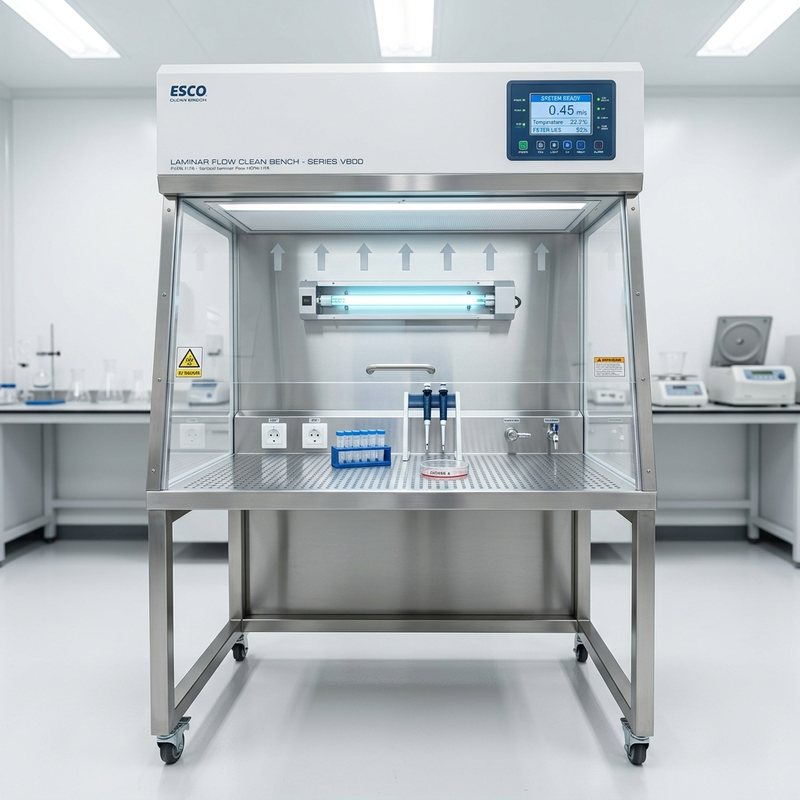
Laminar air flow cabinets generate a uniform, unidirectional stream of filtered air that sweeps across the work surface. The air passes through a high‑efficiency particulate air (HEPA) filter (≥ 99.97 % removal of 0.3 µm particles) before exiting the front opening. Because the airflow is smooth and non‑turbulent, contaminants are pushed away from the product, providing a sterile environment for microbiology, cell culture, and pharmaceutical compounding.
Main Components
- Pre‑filter and HEPA filter – capture dust and microorganisms.
- Fan or blower – creates the required velocity (0.3–0.5 m s⁻¹ for horizontal cabinets, 0.45 m s⁻¹ for vertical).
- Work surface – stainless steel or anodised aluminium for easy cleaning.
- Control panel – displays airflow speed, filter status, and alarms.
- Lighting – UV‑free LED for visual clarity without compromising sterility.
Why choose laminar air flow manufacturers in Chennai?
Chennai’s industrial corridor hosts several domestic manufacturers who understand the Indian regulatory landscape (ISO 14644‑1, IS 14698, and CDSCO guidelines). Local manufacturers can provide:
- Faster lead times – shipping from nearby factories reduces delivery from 4‑6 weeks to 1‑2 weeks.
- On‑site installation and calibration by trained technicians familiar with Chennai’s climate and power stability.
- Access to spare parts and service contracts without long‑distance logistics.
- Pricing that reflects local material costs and GST, often more competitive than imported units.
Key selection criteria for laminar air flow manufacturers in Chennai
Before you sign a purchase order, evaluate each supplier against the following checklist:
- Certification and compliance. Verify ISO 9001 quality management, ISO 14644‑1 clean‑room classification, and any Indian pharmacopoeia endorsements.
- Airflow performance. Confirm certified velocity (m s⁻¹) and uniformity across the work area (≤ 10 % variation).
- Filter integrity testing. Ask for a post‑manufacture leak test report and a schedule for quarterly certification.
- Construction material. Stainless‑steel (304 or 316) frames resist corrosion in humid Chennai conditions.
- Control options. Digital vs. analog panels, alarm thresholds, and optional data logging for GMP documentation.
- Warranty and service. Minimum 12‑month warranty on the motor and filters, with an option for extended on‑site support.
- Price transparency. Request a detailed quotation that separates base unit, optional accessories (e.g., UV‑C lamp, pass‑through chamber), and freight.
Typical Applications in Indian Laboratories
Laminar flow cabinets are indispensable in the following settings:
- Microbiology – plating, sub‑culturing, and aseptic transfers.
- Pharmaceutical compounding – sterile ointments, injectables, and eye drops.
- Biotechnology research – cell culture, tissue engineering, and enzyme assays.
- Quality control labs – surface sampling and media preparation.
- Educational institutions – teaching aseptic techniques to students.
Comparing Horizontal vs. Vertical Designs
Both designs meet the same cleanliness standards, but the choice depends on workflow and space constraints.
Horizontal (front‑to‑back) cabinets
- Ideal for larger workpieces and easy access to the front opening.
- Reduced risk of cross‑contamination when multiple operators work side‑by‑side.
- Requires more floor space; often preferred in cell‑culture labs.
Vertical (top‑down) cabinets
- Compact footprint; fits under benches.
- Better for tasks that need a clear view of the work surface, such as media preparation.
- Potential for increased turbulence if the filter is not regularly inspected.
Installation, Calibration, and Routine Maintenance
Proper installation is critical to maintain certified airflow. Follow these steps:
- Place the cabinet on a level, vibration‑free surface away from direct sunlight.
- Connect to a dedicated, filtered power supply (UPS recommended for Chennai’s occasional outages).
- Perform an initial airflow velocity test using a calibrated anemometer; record results for validation.
- Schedule filter integrity checks every 6 months or after any major spill.
- Clean the interior weekly with 70 % isopropyl alcohol; avoid abrasive cleaners that can damage the filter housing.
Common Mistakes to Avoid
- Positioning the cabinet near open doors or windows – this introduces drafts that disturb laminar flow.
- Using the cabinet as storage – items placed inside block airflow and create dead zones.
- Neglecting filter replacement – a clogged HEPA filter reduces velocity and may cause alarm shutdowns.
- Skipping routine certification – regulatory audits often require documented airflow performance.
Frequently Asked Questions
What is the difference between Class 100 and Class 10,000 laminar flow cabinets?
Class 100 (ISO 5) provides ≤ 100 particles ≥ 0.5 µm per cubic foot, suitable for aseptic drug compounding. Class 10,000 (ISO 7) allows up to 10 000 particles and is typically used for non‑sterile microbiology work. Choose based on the criticality of your application and regulatory requirements.
Can I install a laminar flow cabinet in a non‑air‑conditioned lab?
Yes, but temperature fluctuations can affect filter performance. Use a local air‑conditioning unit or a temperature‑controlled enclosure to maintain a stable environment, especially for cell culture work.
How often should the HEPA filter be replaced?
Manufacturer recommendations vary, but a practical rule in Indian labs is every 12‑18 months for high‑usage units, or when the pressure drop exceeds the specified limit (usually 250 Pa). Monitoring pressure differential helps predict filter life.
Are there any Indian standards specific to laminar flow cabinets?
The CDC guidelines for laminar flow are widely referenced, and the Bureau of Indian Standards (BIS) aligns with ISO 14644‑1 for clean‑room classification. Ensure your supplier can provide documentation that meets both.
What after‑sales support should I expect from a Chennai manufacturer?
Look for on‑site installation, a 12‑month warranty covering motor and filter, a clear spare‑parts catalog, and optional annual service contracts that include calibration and filter testing.
Final Verdict and Next Steps
Choosing the right laminar air flow manufacturer in Chennai hinges on certification, performance data, local support, and transparent pricing. Evaluate suppliers against the checklist above, request a demo unit if possible, and verify that they provide documented compliance with ISO 14644‑1 and Indian regulatory standards.
Ready to explore options that match your laboratory’s workflow? Visit Sathya Scientific’s product catalogue for a range of laminar flow cabinets and related accessories, and contact their technical team for a customized quotation.