
India’s scientific ecosystem is expanding rapidly, and laboratory equipment manufacturers in India are playing a pivotal role in supporting research, pharmaceutical development, and quality‑control labs across the country. Whether you are a laboratory manager in Chennai, a procurement officer for a biotech firm in Bangalore, or an educator in Delhi, understanding the local manufacturing landscape helps you source reliable, cost‑effective instruments that comply with Indian standards.
Table of Contents
- Understanding the Indian Manufacturing Landscape
- Key Product Categories from laboratory equipment manufacturers in India
- Selection Criteria: What to Look for When Dealing with laboratory equipment manufacturers in India
- Cost Drivers Specific to the Indian Market
- Comparison: Indian‑Made vs. Imported Laboratory Instruments
- Installation, Calibration, and Routine Maintenance
- Common Mistakes to Avoid When Purchasing from laboratory equipment manufacturers in India
- Frequently Asked Questions
- Final Verdict and Practical Recommendations
Understanding the Indian Manufacturing Landscape
Indian manufacturers typically follow a vertically integrated model: raw material sourcing, component fabrication, assembly, and final testing are all performed under one roof. This reduces lead times and allows for customisation based on regional regulations such as those set by the Bureau of Indian Standards (BIS). Most firms specialise in a core product line—analytical balances, centrifuges, autoclaves, ovens, or environmental chambers—while offering modular upgrades to meet specific research needs.
Key Product Categories from laboratory equipment manufacturers in India
Analytical Balances and Weighing Systems
These balances rely on electromagnetic force restoration (EMF) technology. A permanent magnet creates a magnetic field that opposes the weight of the sample; a feedback loop adjusts the current to maintain equilibrium, delivering readability as fine as 0.01 mg. Typical specifications include a capacity of 200 g to 2 kg, stainless‑steel draft shields, and built‑in anti‑vibration tables.
Centrifuges (Benchtop, High‑Speed, Refrigerated)
Indian centrifugal units use a motor‑driven rotor assembly with precision‑balanced rotors. Refrigerated models incorporate a glycol cooling circuit to maintain sample temperatures between 4 °C and 40 °C, crucial for enzyme assays. Look for features such as digital LCD control, programmable protocols, and a safety interlock that prevents lid opening under rotation.
Autoclaves and Sterilisation Equipment
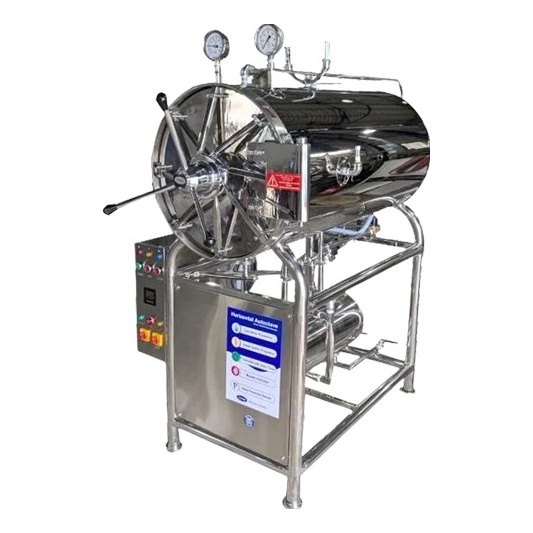
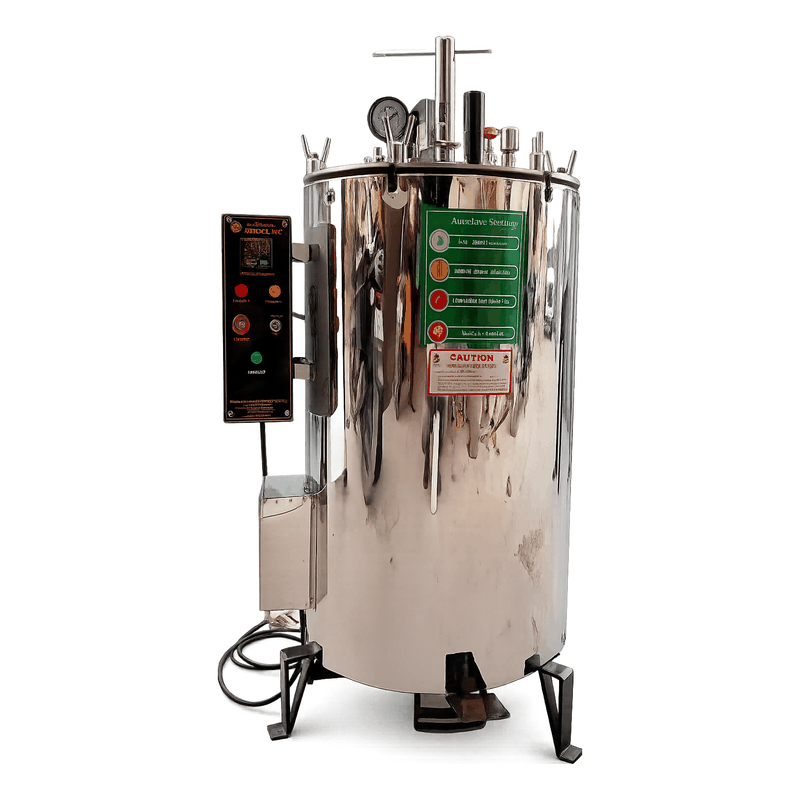
Most manufacturers produce both vertical and horizontal autoclaves. The working principle is saturated steam under pressure (typically 0.1–0.2 MPa) that achieves 121 °C for 15–30 minutes, ensuring 6‑log reduction of bacterial spores. Stainless‑steel chambers, automatic water level control, and a built‑in pressure gauge are standard. Some units offer a semi‑automatic cycle for high‑throughput labs.
Laboratory Ovens and Furnaces
These ovens operate on convection heating, where a fan circulates hot air for uniform temperature distribution. Temperature ranges from ambient to 300 °C for drying ovens, while high‑temperature furnaces can reach 1200 °C for material testing. Common safety features include over‑temperature cut‑off, insulated doors, and programmable timers.
Environmental Chambers and Humidity Controllers
Environmental chambers maintain controlled temperature (‑20 °C to +180 °C) and relative humidity (10 %–95 %). They use a combination of heating elements, refrigeration cycles, and ultrasonic humidifiers. Applications include stability testing of pharmaceuticals, accelerated ageing of polymers, and calibration of humidity sensors.
Selection Criteria: What to Look for When Dealing with laboratory equipment manufacturers in India
- Compliance and Certification: Verify BIS certification, ISO 9001 quality‑management systems, and, where relevant, ISO 13485 for medical‑device related equipment.
- Technical Support & Spare Parts: Choose a supplier that offers on‑site installation, calibration services, and a guaranteed stock of spare components for at least five years.
- Customisation Options: Indian manufacturers often allow modifications such as local language interfaces, voltage adaptation (220 V/230 V), or integration with laboratory information management systems (LIMS).
- Warranty and Service Contracts: A minimum one‑year warranty with optional extended service agreements can reduce total cost of ownership.
- Lead Time and Local Presence: Proximity to major hubs like Chennai, Mumbai, or Hyderabad can cut delivery from weeks to days, especially for urgent upgrades.
Cost Drivers Specific to the Indian Market
Pricing is influenced by material quality (304 vs. 316 L stainless steel), automation level (manual vs. PLC‑controlled), and certification requirements. Import‑substituted components—such as locally sourced temperature sensors—can lower costs, but may affect long‑term reliability if not sourced from reputable vendors. Bulk purchases and long‑term service contracts often yield discounts.
Comparison: Indian‑Made vs. Imported Laboratory Instruments
| Aspect | Indian‑Made | Imported |
|---|---|---|
| Initial Cost | Generally 15‑30 % lower | Higher due to import duties |
| After‑Sales Service | Local service engineers, quicker response | Often limited to major cities |
| Compliance | Designed for BIS/ISO standards | May exceed standards but require local certification |
| Customization | High flexibility for Indian labs | Limited to factory options |
Installation, Calibration, and Routine Maintenance
Proper installation begins with a vibration‑free, level platform for balances and centrifuges. Autoclaves require a dedicated water supply and drainage, while ovens need adequate ventilation. Calibration should follow manufacturer‑provided SOPs; for balances, a certified weight set traceable to NIST is recommended. Routine cleaning—using lint‑free cloths for optical surfaces and mild detergents for stainless steel—prevents contamination and prolongs equipment life.
Common Mistakes to Avoid When Purchasing from laboratory equipment manufacturers in India
- Assuming “cheaper” means lower quality without checking BIS certification.
- Overlooking the need for compatible spare parts; always confirm part numbers.
- Neglecting to verify the manufacturer’s after‑sales network in your region (e.g., Chennai or Tamil Nadu).
- Skipping a detailed technical specification sheet, leading to mismatched capacity or temperature range.
- Ignoring training requirements for lab staff; many manufacturers provide on‑site training as part of the purchase.
Frequently Asked Questions
Are Indian laboratory equipment manufacturers able to meet international quality standards?
Yes. Most reputable firms hold ISO 9001 certification and produce equipment that meets BIS standards, which are aligned with many international norms. For pharmaceutical applications, manufacturers often comply with ISO 13485 and cGMP guidelines.
How long does delivery typically take for a custom‑built autoclave?
Standard models are shipped within 2‑4 weeks. Custom configurations—such as specific chamber dimensions or PLC integration—may require 6‑8 weeks, depending on component availability.
What warranty terms are common?
Most Indian manufacturers offer a one‑year comprehensive warranty covering parts and labour. Extended warranties up to three years are available at an additional cost and often include annual preventive maintenance.
Can I get a demo before finalising a purchase?
Many suppliers provide on‑site demonstrations or arrange a trial period, especially for high‑value instruments like analytical balances and centrifuges. Request a demo in your laboratory to assess ergonomics and user‑interface familiarity.
Is there a difference between “laboratory equipment manufacturers in India” and “laboratory equipment suppliers in India”?
Manufacturers design and produce the equipment, while suppliers handle distribution, installation, and after‑sales support. Working directly with a manufacturer can give you more flexibility for customisation, whereas a supplier may offer faster delivery of off‑the‑shelf items.
Final Verdict and Practical Recommendations
Choosing the right partner among laboratory equipment manufacturers in India hinges on verifying certifications, assessing local support, and matching technical specifications to your lab’s workload. Prioritise manufacturers that provide:
- Clear BIS/ISO documentation.
- Responsive on‑site service teams in your region (e.g., Chennai, Tamil Nadu).
- Flexible customisation options without compromising core performance.
- Transparent warranty and spare‑parts policies.
By focusing on these criteria, procurement managers can reduce total cost of ownership while ensuring reliable, high‑quality instrumentation for research, quality control, and educational labs.
Ready to explore a curated selection of locally manufactured laboratory instruments? Visit our detailed guide on laboratory equipment manufacturers in Chennai for product specifications, pricing insights, and contact information for trusted Indian suppliers.
