
India’s laboratory landscape is expanding rapidly, and scientific equipment manufacturers in India play a pivotal role in supporting research, quality control, and production across pharma, biotech, and academia. In this guide we explore how these manufacturers operate, the product families they offer, and the key questions you should ask before committing to a supplier.
Table of Contents
- scientific equipment manufacturers in India – Market Landscape
- Choosing the Right Partner Among scientific equipment manufacturers in India
- Alternative technologies and when to consider them
- Installation, calibration, and routine maintenance
- Common pitfalls to avoid
- Frequently Asked Questions
- Final verdict and next steps
scientific equipment manufacturers in India – Market Landscape
The Indian market is dominated by a mix of long‑standing firms and newer high‑tech startups. Many manufacturers focus on core laboratory instruments such as autoclaves, water baths, ovens, laminar flow cabinets, and analytical balances, while others specialize in niche areas like high‑pressure reactors or humidity chambers. Export‑oriented companies often hold ISO 9001 and IS0 13485 certifications, and most adhere to the Bureau of Indian Standards for safety and performance.
Working principles of common laboratory instruments
Understanding the basic physics behind each device helps you compare specifications objectively:
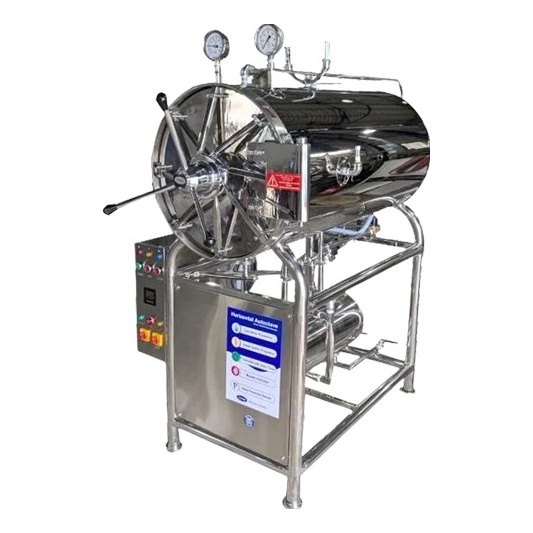
- Autoclaves use saturated steam at 121 °C–134 °C under pressure to achieve sterilisation. Key components include a pressure vessel, steam generator, and automated control panel.
- Water baths maintain a uniform temperature through a thermostatically controlled heating element and circulation pump, ideal for incubations and sample thawing.
- Laminar flow cabinets provide a unidirectional airflow filtered through HEPA media, protecting samples from contamination while safeguarding the operator.
- High‑temperature ovens employ convection heating with insulated steel chambers, offering temperature ranges up to 300 °C for material testing.
Choosing the Right Partner Among scientific equipment manufacturers in India
When evaluating a supplier, consider both technical fit and service capability. Below is a practical checklist for procurement professionals:
- Product compliance – Does the equipment meet BIS, ISO, or USP standards required for your industry?
- Customization options – Can the manufacturer adjust capacity, temperature range, or control interfaces to match your protocol?
- Installation and commissioning – Is on‑site setup, calibration, and user training included?
- Spare parts and service network – Availability of genuine parts within 48 hours can minimise downtime.
- Warranty and after‑sales support – Look for at least a 12‑month warranty with clear terms for repair and software updates.
Key specifications to compare
For each equipment class, focus on the parameters that affect daily operation:
- Temperature accuracy (±0.5 °C for most water baths, ±1 °C for ovens)
- Capacity – volume of the chamber or load weight limit
- Control system – digital touchscreen versus analog knobs
- Construction material – stainless steel 304 for corrosion resistance, PTFE gaskets for chemical compatibility
- Safety interlocks – door lock, pressure release valve, over‑temperature shutdown
Alternative technologies and when to consider them
While many Indian manufacturers excel in conventional thermal equipment, certain applications may benefit from alternative technologies:
- Microwave‑assisted digestion versus conventional hot‑plate digestion – faster processing but requires specialised shielding.
- Ultrasonic cleaners instead of manual scrubbing for glassware – reduces labor but may not reach complex geometries.
- Dry‑heat ovens with vacuum capability for polymer curing – provides oxygen‑free environment compared to standard convection ovens.
Choosing an alternative depends on throughput, sample type, and regulatory constraints.
Installation, calibration, and routine maintenance
Proper installation is the first step to reliable performance. Follow these best practices:
- Locate equipment on a level, vibration‑free surface with adequate clearance for ventilation.
- Connect to a stable power supply; many autoclaves require a dedicated 3‑phase line.
- Perform a factory calibration using certified reference standards before first use.
- Schedule quarterly checks of temperature probes, pressure sensors, and HEPA filters.
- Document all maintenance activities in a logbook to satisfy audit trails.
Common pitfalls to avoid
Even experienced lab managers can stumble on avoidable mistakes:
- Neglecting to verify the authenticity of certification documents – counterfeit ISO certificates are a growing risk.
- Over‑loading autoclave chambers, which compromises steam penetration and sterility.
- Using incompatible cleaning agents on stainless‑steel interiors, leading to corrosion.
- Skipping preventive maintenance, which often results in unexpected shutdowns during critical runs.
Frequently Asked Questions
What certifications should I look for?
At minimum, ISO 9001 for quality management and ISO 13485 for medical device manufacturing are common. For pharmaceutical applications, USP Chapter 71 compliance and BIS approvals are essential.
How long does delivery typically take?
Domestic manufacturers usually ship within 4–6 weeks after order confirmation, depending on customisation and import of critical components.
Can I get a demo before purchase?
Reputable suppliers often provide on‑site or virtual demonstrations, especially for high‑value items like autoclaves and laminar flow cabinets.
Is it better to buy refurbished equipment?
Refurbished units can reduce capital outlay, but verify the refurbishment process, warranty coverage, and availability of spare parts.
What financing options are available?
Many manufacturers partner with banks for equipment leasing or deferred payment plans, which can ease cash‑flow constraints for academic institutions.
Final verdict and next steps
India hosts a robust ecosystem of scientific equipment manufacturers in India that can meet diverse laboratory needs, from basic water baths to sophisticated autoclave systems. By focusing on compliance, service infrastructure, and clear technical specifications, you can minimise risk and ensure long‑term reliability.
Ready to explore a curated selection of Indian‑made laboratory instruments? Visit our practical guide for procurement professionals to compare models, request quotations, and connect with trusted manufacturers.
