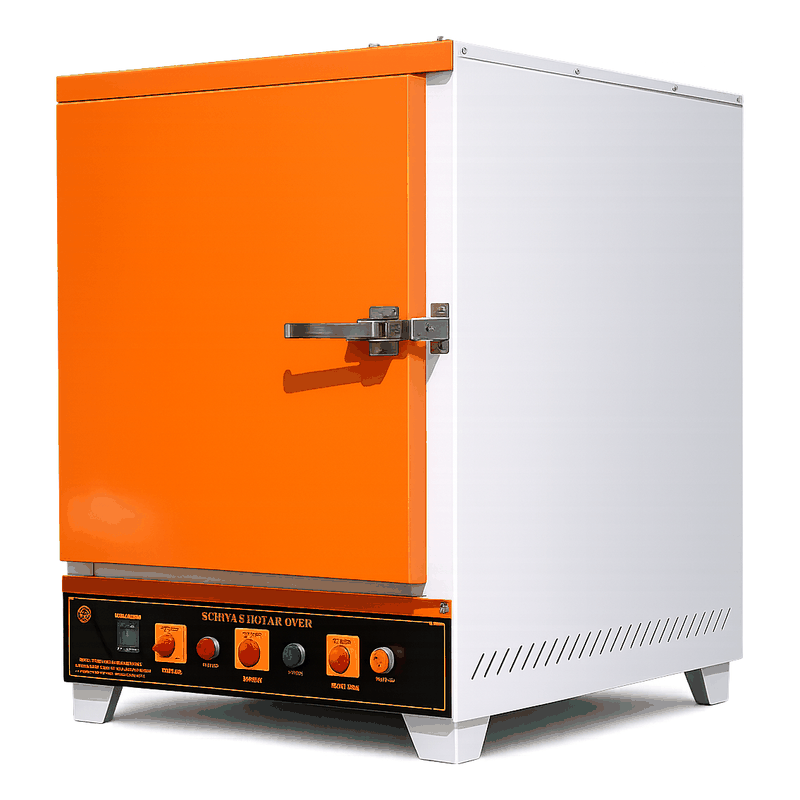
Setting up a microbiology laboratory in India—whether for a pharmaceutical R&D centre, an academic institution in Chennai, or an industrial quality‑control facility—requires more than just buying a few benches. How to Set Up a Microbiology Lab: Essential Equipment List is the roadmap that guides laboratory managers through the critical instruments, safety considerations, and procurement strategies needed for a functional, compliant, and efficient workspace.
Table of Contents
- Core Instruments in a Microbiology Lab
- How to Set Up a Microbiology Lab: Essential Equipment List – Autoclave Selection
- Laminar Flow Cabinets – Protecting Your Cultures
- Water Baths, Incubators, and Temperature‑Controlled Devices
- Supporting Equipment and Consumables
- Practical Selection Criteria for Indian Buyers
- Alternative Technologies and Cost Considerations
- Installation, Calibration, and Routine Maintenance
- Common Mistakes to Avoid
- Frequently Asked Questions
- Final Verdict and Next Steps
In laboratory practice, the reliability of your results hinges on the performance of core equipment such as incubators, autoclaves, laminar flow cabinets, and water baths. This article walks you through each category, explains the working principles, highlights key specifications, and offers practical buying tips that align with Indian standards and local supplier support.
Core Instruments in a Microbiology Lab
Below is the backbone of any microbiology set‑up. While the exact model may vary, the functional requirements remain constant.
- Incubators – Provide controlled temperature (typically 20‑60 °C) and humidity for bacterial, fungal, and cell culture growth. Look for digital controllers, uniform airflow, and optional CO₂ regulation for cell culture work.
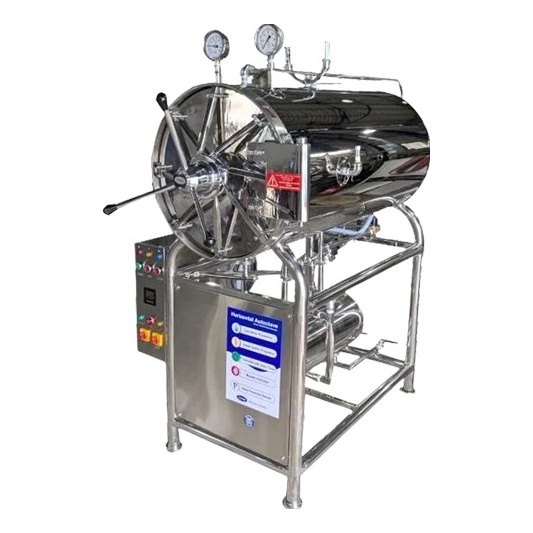
- Autoclaves – Steam sterilizers that achieve 121 °C at 15 psi for 15‑30 minutes, eliminating spores and contaminating agents. Choose between horizontal, vertical, or high‑pressure radial‑locking designs based on load size and workflow.
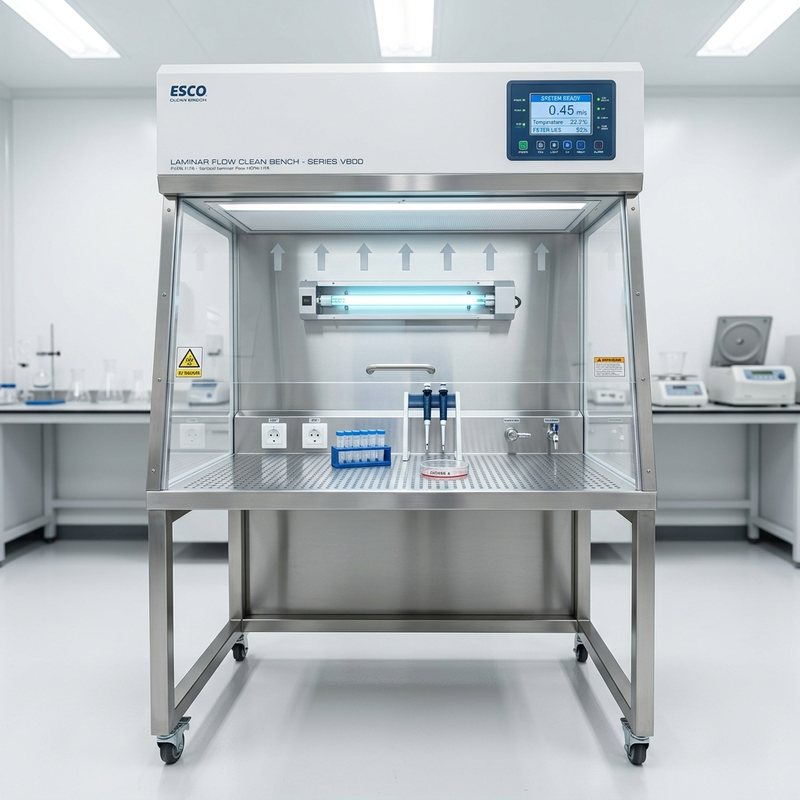
- Laminar Air Flow (LAF) Cabinets – Supply HEPA‑filtered, unidirectional airflow (ISO Class 5) to protect cultures from airborne contaminants. Horizontal flow units are ideal for small‑scale work; vertical flow cabinets provide broader work‑area coverage.
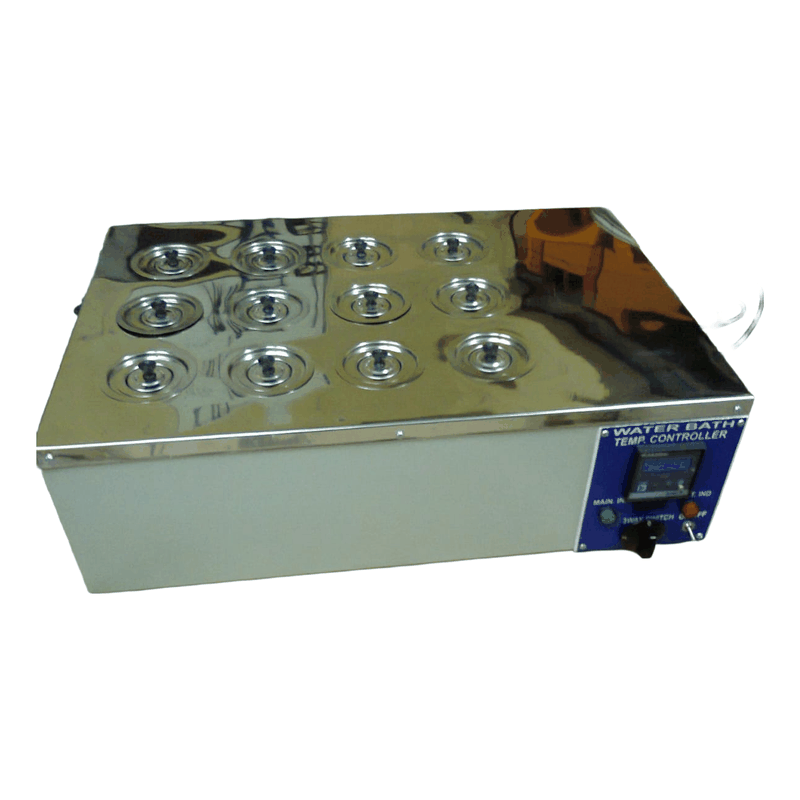
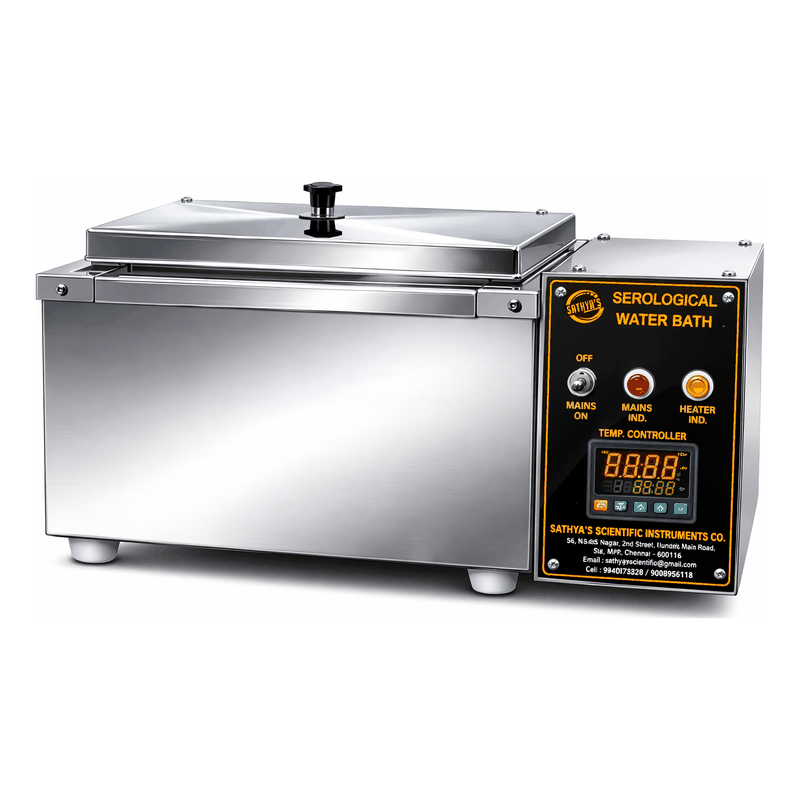
- Water Baths & Circulating Baths – Maintain precise temperatures (5‑100 °C) for media preparation, enzyme reactions, and incubation steps.
- Refrigerators & Freezers – Store media, reagents, and isolates at 2‑8 °C (refrigerator) or –20 °C/–80 °C (freezer) with temperature alarms.
- Microscopes – Bright‑field, phase‑contrast, or fluorescence microscopes are essential for colony identification and morphological studies.
- Safety Equipment – Biosafety cabinets (Class II), eye‑wash stations, and autoclave waste containers ensure compliance with biosafety guidelines.
How to Set Up a Microbiology Lab: Essential Equipment List – Autoclave Selection
Choosing the right autoclave impacts both sterility assurance and workflow efficiency. In India, the most common models are:
- Horizontal Autoclave – Ideal for bulk sterilization of glassware, media, and surgical instruments. Offers larger chamber dimensions and easy loading. Example: Horizontal autoclave (internal link).
- Vertical Autoclave – Compact footprint, suited for small‑scale labs where bench space is limited. Faster cycle times for low‑volume loads.
- High‑Pressure Radial‑Locking Autoclave – Provides rapid steam penetration and is useful for heat‑sensitive media.
Key specifications to verify:
- Temperature range: 121 °C ± 2 °C (standard) or 134 °C for spore‑forming organisms.
- Pressure control: 15‑30 psi with automatic safety valves.
- Chamber capacity: measured in liters; match to your weekly sterilization volume.
- Control system: digital touch screen, programmable cycles, and data logging for audit trails.
- Safety features: door interlock, pressure release valve, and emergency stop.
Laminar Flow Cabinets – Protecting Your Cultures
A laminar flow cabinet creates a particle‑free environment by passing air through a HEPA filter (99.99 % efficiency at 0.3 µm). When setting up, consider:
- Airflow direction: Horizontal flow cabinets are easier to access from the front, while vertical flow units provide a larger work surface.
- Class rating: ISO Class 5 (Grade A) for critical work, Class 7 (Grade B) for less stringent tasks.
- Material of construction: Stainless steel frames resist corrosion from disinfectants.
- Certification: Ensure compliance with IS / IEC 60601‑1 for electrical safety.
Regular filter replacement (typically every 12 months) and weekly UV decontamination are essential maintenance steps.
Water Baths, Incubators, and Temperature‑Controlled Devices
Accurate temperature control is vital for media preparation and enzyme assays. When selecting a water bath, verify:
- Temperature range: 5‑100 °C with ±0.1 °C stability.
- Capacity: 5‑30 L depending on batch size.
- Circulation vs. static: Circulating baths provide uniform temperature, reducing gradients.
Incubators for microbiology typically require:
- Temperature accuracy: ±0.5 °C.
- Humidity control: 85‑95 % for fungal cultures.
- Shake or orbital options for broth cultures.
Supporting Equipment and Consumables
Beyond the major instruments, a functional lab includes:
- Refrigerated centrifuges for pellet recovery.
- pH meters and conductivity meters for media validation.
- Autoclavable glassware, pipettes, and sterile disposable loops.
- Digital balances with 0.1 mg readability for precise media formulation.
- Laboratory safety signage and spill kits.
Practical Selection Criteria for Indian Buyers
When procuring equipment, answer these questions:
- Capacity vs. Space: Does the instrument fit within the allocated bench space? Measure floor area before finalising.
- Power Requirements: Most Indian labs operate on 230 V, 50 Hz. Verify that the equipment’s power rating matches your facility’s supply.
- Local Service Network: Choose suppliers with on‑site technicians in Chennai or Tamil Nadu for quick calibration and spare‑part support.
- Regulatory Compliance: Equipment should meet ISO 13485 (medical devices) or ISO 17025 (testing labs) standards. The ISO 17025 standard provides guidance on equipment validation.
- Warranty and Documentation: Look for at least 12‑month warranty, detailed user manuals, and calibration certificates.
Alternative Technologies and Cost Considerations
If budget constraints limit the purchase of a full‑size autoclave, consider a dry heat oven for sterilizing heat‑stable items, or a chemical sterilizer for rapid decontamination of small tools. While these alternatives reduce upfront cost, they may increase consumable expenses and validation time.
Pricing in India varies with:
- Local manufacturing vs. import status.
- Automation level (simple timer vs. programmable logic controller).
- Energy efficiency features (e.g., heat‑recovery systems).
Installation, Calibration, and Routine Maintenance
Proper installation ensures longevity and compliance:
- Position autoclaves on a level, vibration‑free floor with a dedicated drainage line.
- Calibrate temperature sensors using a certified reference thermometer before first use.
- Schedule quarterly preventive maintenance: filter cleaning, door gasket inspection, and steam generator descaling.
- Maintain a logbook (digital or paper) for each instrument, recording cycles, maintenance, and any deviations.
Common Mistakes to Avoid
- Overloading the autoclave chamber, which leads to uneven sterilization.
- Using non‑sterile water in water baths, fostering microbial growth.
- Neglecting HEPA filter replacement in laminar flow cabinets, compromising aseptic conditions.
- Skipping regular calibration of incubator temperature probes, resulting in inconsistent growth rates.
- Ignoring local power fluctuations—install voltage stabilisers to protect sensitive electronics.
Frequently Asked Questions
What is the minimum space required for a basic microbiology lab?
A starter lab can operate within 30‑40 sq m, allocating separate zones for sterile work (laminar flow cabinet), media preparation (water bath, hot‑air oven), and waste handling (autoclave). Ensure at least 1.5 m clearance around each major instrument for safe access.
Do I need a Class II biosafety cabinet for routine bacterial work?
For non‑pathogenic strains (e.g., E. coli K‑12), a laminar flow cabinet (Class I) is sufficient. For opportunistic pathogens or clinical isolates, a Class II biosafety cabinet is mandatory to protect both the operator and the environment.
How often should autoclave cycles be validated?
Perform a biological indicator (spore) test at least weekly for high‑throughput labs, and after any maintenance or filter change. Record results to demonstrate compliance during audits.
Can I use a regular laboratory oven for sterilization?
Dry heat ovens can sterilize metal tools at 160‑180 °C for 2 hours, but they are not suitable for most media or plastic consumables. Steam autoclaving remains the gold standard for comprehensive sterilization.
What certifications should I look for when buying equipment in India?
Key certifications include IS / IEC safety marks, CE marking for EU compliance, and ISO 13485 or ISO 17025 depending on the lab’s scope. Verify that the supplier provides calibration certificates traceable to national standards.
Final Verdict and Next Steps
Setting up a microbiology lab is a systematic process that balances scientific requirements, regulatory compliance, and budget realities. Prioritise reliable incubators, appropriately sized autoclaves, and a well‑designed laminar flow cabinet to establish a robust aseptic environment. Pair these core instruments with supporting devices—water baths, refrigerators, and safety equipment—to create a complete workflow.
Before finalising any purchase, request a detailed quotation that includes installation, training, and after‑sales support. Verify that the vendor can supply spare parts locally and offers a clear warranty policy.
Ready to equip your lab with high‑quality, Indian‑compatible instruments? Explore our comprehensive range of humidity chambers, autoclaves, and incubators to find the right match for your facility. Read our humidity chamber guide for further insights on maintaining optimal environmental conditions.