When you search for hot air oven suppliers in Tamil Nadu, you are looking for reliable sources that can deliver equipment that meets the rigorous demands of pharmaceutical labs, research institutes, and quality‑control units across the state. In this guide we unpack the working principle of hot air ovens, discuss the key specifications you should evaluate, compare popular models with alternative drying technologies, and outline the questions you must ask before signing a purchase order.
Table of Contents
- How a Laboratory Hot Air Oven Works – Core Principles
- Key Features to Look for in Hot Air Ovens from Tamil Nadu Suppliers
- Typical Applications in Tamil Nadu’s Laboratories
- Selection Criteria – What to Ask Your Supplier
- Comparing Hot Air Ovens with Alternative Drying Technologies
- Installation, Calibration, and Routine Maintenance
- Common Mistakes to Avoid When Purchasing or Operating a Hot Air Oven
- Frequently Asked Questions
- Final Verdict and Next Steps
How a Laboratory Hot Air Oven Works – Core Principles
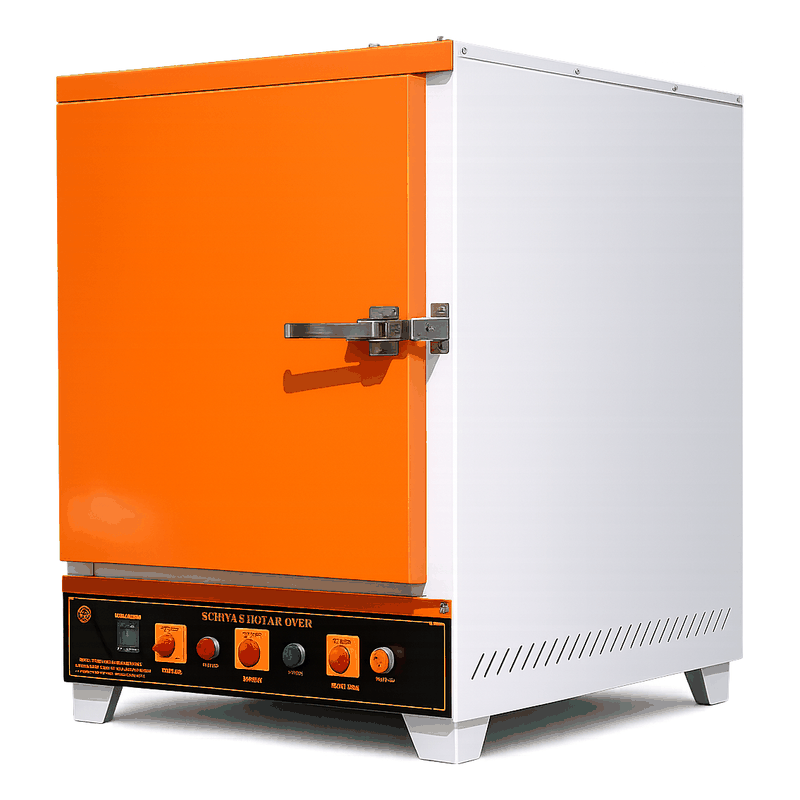
A hot air oven is a convection‑type dryer that circulates heated air uniformly across a chamber to achieve precise temperature control. The main components include:
- Heating elements – usually stainless‑steel or nichrome coils that convert electrical energy into heat.
- Forced‑air fan – distributes the hot air, eliminating temperature gradients.
- Thermostatic controller – maintains setpoint accuracy (typically ±1 °C) and offers programmable ramps.
- Insulated chamber – double‑wall construction with a stainless‑steel interior to resist corrosion.
- Safety interlocks – door switches and over‑temperature cut‑offs required by BIS and IEC standards.
In laboratory practice, the uniform airflow ensures that all samples, whether in glassware, metal trays, or polymeric containers, experience the same drying conditions, which is essential for reproducible results.
Key Features to Look for in Hot Air Ovens from Tamil Nadu Suppliers
While the basic principle is the same, modern ovens differ in capacity, temperature range, and control options. When evaluating hot air oven suppliers in Tamil Nadu, keep an eye on the following specifications:
Temperature Range and Accuracy
Most laboratory ovens cover 50 °C – 250 °C, with some high‑temperature models reaching 300 °C. Accuracy of ±1 °C is standard for analytical work, while ±2 °C may be acceptable for bulk drying.
Capacity and Layout
Choose a chamber size that matches your throughput. Common capacities range from 10 L (bench‑top) to 80 L (floor‑standing). Shelving configurations (adjustable, removable) allow flexibility for different sample geometries.
Control Interface
Digital LCD panels with programmable timers, ramp‑up/down functions, and data‑logging are valuable for validation in regulated environments. Some suppliers also offer remote monitoring via RS‑232 or Ethernet.
Construction Materials
Stainless‑steel (304 or 316) interiors are preferred for chemical resistance. For high‑temperature applications, a ceramic‑coated interior may be required.
Safety and Compliance
Look for certifications such as BIS, CE, and ISO 9001. The oven should have a door interlock, over‑temperature protection, and an emergency stop button. Refer to BIS standards for laboratory ovens for detailed safety requirements.
Typical Applications in Tamil Nadu’s Laboratories
Hot air ovens are indispensable across many sectors:
- Drying glassware and metal instruments in pharmaceutical quality‑control labs.
- Thermal sterilisation of heat‑stable media in microbiology departments.
- Curing of polymer composites in material‑science research.
- Pre‑treatment of samples before gravimetric analysis in academic institutions.
- Stability testing of dosage forms where controlled temperature exposure is required.
Selection Criteria – What to Ask Your Supplier
Before committing to a purchase, use this checklist to evaluate any hot air oven supplier in Tamil Nadu:
- Technical support and installation – Does the supplier provide on‑site installation, calibration, and training?
- Spare parts availability – Are critical components like heating elements and fans stocked locally?
- Warranty terms – Standard warranties range from 12 to 24 months; extended options are often negotiable.
- Documentation – Request user manuals, calibration certificates, and compliance reports (BIS, ISO).
- Lead time and logistics – Consider transport from the supplier’s warehouse in Chennai or Coimbatore to your facility.
- After‑sales service network – A local service engineer can reduce downtime significantly.
Comparing Hot Air Ovens with Alternative Drying Technologies
While hot air ovens are versatile, other equipment may be more suitable for specific tasks:
Vacuum Ovens
Vacuum ovens lower the boiling point of moisture, enabling drying at reduced temperatures—ideal for heat‑sensitive pharmaceuticals. However, they are costlier and require a vacuum pump.
Microwave Dryers
Microwave energy penetrates samples rapidly, offering very short cycle times. The technology is still limited to small‑scale labs and may cause uneven heating for larger loads.
Tray Dryers
Industrial tray dryers use forced hot air similar to ovens but are designed for continuous processing and larger volumes. They lack the precise temperature control required for analytical work.
In most Indian research and QC settings, the hot air oven remains the most balanced choice between cost, precision, and ease of maintenance.
Installation, Calibration, and Routine Maintenance
Proper installation is crucial for performance and safety:
- Place the oven on a level, vibration‑free surface with adequate clearance for ventilation (minimum 150 mm on all sides).
- Connect to a dedicated, earth‑grounded power outlet matching the rated voltage (220‑240 V, 50 Hz).
- Perform an initial calibration using a certified thermometer or a calibrated thermocouple traceable to NIST standards.
Routine maintenance tasks include:
- Weekly cleaning of the chamber interior with a mild detergent; avoid abrasive pads that could damage the stainless steel.
- Monthly inspection of the fan and heating elements for dust buildup; replace if visual damage is evident.
- Annual verification of temperature uniformity using a calibrated data logger placed at multiple points inside the chamber.
Common Mistakes to Avoid When Purchasing or Operating a Hot Air Oven
Even experienced laboratory managers can fall into pitfalls:
- Undersizing the chamber – Leads to over‑crowding, uneven drying, and extended cycle times.
- Ignoring ventilation requirements – Can cause overheating of internal components and trigger safety interlocks.
- Using non‑compatible containers – Plastic items that melt below the set temperature will compromise both the sample and the oven.
- Skipping calibration – Without periodic verification, temperature drift can invalidate test results, especially in regulated environments.
- Choosing a supplier solely on price – Lower upfront cost may result in higher total cost of ownership due to poor after‑sales support or lack of spare parts.
Frequently Asked Questions
What is the typical lifespan of a laboratory hot air oven?
With regular maintenance, a well‑built oven can operate reliably for 8‑10 years. Component wear, especially of heating elements and fans, may require replacement after 3‑5 years.
Are hot air ovens compliant with GMP requirements?
Yes, provided they meet BIS/ISO certifications, have documented calibration records, and are operated under validated SOPs. Documentation of temperature mapping is essential for GMP compliance.
Can I use a hot air oven for sterilising heat‑stable media?
Yes, but ensure the oven’s temperature uniformity is verified and that the door interlock prevents accidental opening during the cycle.
Do hot air ovens need a separate exhaust system?
Most bench‑top models are self‑ventilated, but floor‑standing units with higher capacities may benefit from a dedicated exhaust to remove hot air and maintain lab ambient temperature.
How do I choose between a bench‑top and a floor‑standing oven?
Bench‑top ovens (10‑20 L) are suitable for low‑volume labs or teaching institutions. Floor‑standing models (30‑80 L) are better for high‑throughput facilities that need larger trays and continuous operation.
Final Verdict and Next Steps
Finding the right hot air oven supplier in Tamil Nadu hinges on balancing technical specifications, local support, and compliance requirements. Prioritise vendors that offer on‑site installation, a clear warranty, and easy access to spare parts. Evaluate the oven’s temperature accuracy, capacity, and safety features against your laboratory’s workload and regulatory obligations.
For a curated list of manufacturers and a deeper dive into model specifications, visit the hot air oven manufacturers in Chennai page on Sathya Scientific. Their catalog includes models that meet BIS standards, come with comprehensive documentation, and are backed by a regional service network across Tamil Nadu.
By following the guidelines above, you can make an informed purchase that delivers reliable performance, ensures safety, and supports the stringent quality demands of your organization.