When a laboratory manager or procurement officer begins to compare hot air oven price in India, the decision is rarely about the sticker alone. The equipment must meet strict temperature uniformity, safety, and durability requirements while fitting within a budget that varies across academic, pharmaceutical, and industrial settings. In this guide we break down the technical fundamentals, the specifications that drive cost, and the practical questions you should ask before signing a purchase order.
Table of Contents
- Understanding How a Hot Air Oven Works
- Key Specifications That Influence Hot Air Oven Price in India
- Choosing the Right Capacity and Temperature Range
- Factors That Drive Hot Air Oven Pricing in the Indian Market
- Questions to Ask Suppliers Before Buying
- Alternative Technologies: Dry Heat Block vs. Conventional Oven
- Installation, Calibration, and Maintenance Tips
- Common Mistakes to Avoid When Using a Hot Air Oven
- Frequently Asked Questions
- Final Verdict and Next Steps
Understanding How a Hot Air Oven Works
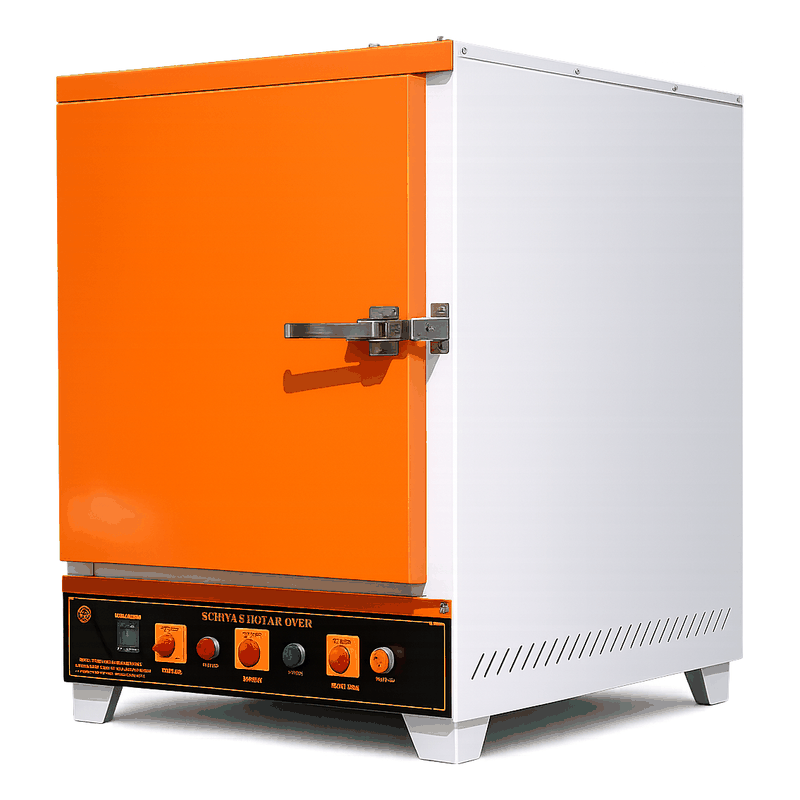
A hot air oven is a closed chamber that circulates heated air using a fan‑assisted convection system. The basic components include:
- Heating elements – usually stainless‑steel or nichrome coils that provide the required temperature range.
- Fan and blower – ensures uniform temperature distribution and reduces hot‑spots.
- Thermostatic controller – digital or PID controllers maintain set‑point accuracy, typically ±1 °C.
- Insulated chamber – double‑wall construction with ceramic fibre or mineral wool to minimise heat loss.
- Safety interlocks – door switches and over‑temperature cut‑offs prevent accidental exposure.
In laboratory practice the oven is used for drying glassware, sterilising heat‑stable media, and conducting heat‑based stability studies. The convection principle makes it faster than a static‑air furnace, while still providing the dry‑heat environment required by pharmacopeial methods.
Key Specifications That Influence Hot Air Oven Price in India
Even though two ovens may share the same capacity, differences in the following specs can shift the hot air oven price in India considerably:
- Temperature range – Standard models operate from 50 °C to 250 °C; high‑temperature variants reach 300 °C or 350 °C and command a premium.
- Temperature uniformity – Uniformity of ±1 °C across the chamber is essential for analytical work. ovens with advanced PID control and multi‑point sensors cost more.
- Capacity (volume) – From compact 5 L benchtop units to large 150 L floor‑standing ovens. Larger chambers require thicker insulation and stronger frames.
- Construction material – Stainless‑steel interiors resist corrosion and are preferred in pharma, but aluminium interiors are cheaper for educational labs.
- Control interface – Touchscreen panels, programmable recipes, and data‑logging capabilities add to the price but improve repeatability.
- Energy efficiency – Insulated doors, low‑power fans, and efficient heaters reduce operating costs, a factor that many buyers evaluate alongside purchase price.
Choosing the Right Capacity and Temperature Range
Capacity considerations for different labs
For a teaching laboratory handling small batches of glassware, a 5–10 L benchtop oven (price bracket INR 30,000‑45,000) is often sufficient. In contrast, a pharmaceutical quality‑control lab may need 30–80 L capacity to accommodate multiple trays of dosage forms, pushing the price to INR 80,000‑150,000 depending on features.
Temperature accuracy and uniformity
When the oven is used for assay‑critical stability testing, the hot air oven price in India reflects the level of temperature control. Models equipped with dual‑zone control or built‑in temperature mapping sensors can cost 20‑30 % more but reduce the risk of out‑of‑spec results.
Factors That Drive Hot Air Oven Pricing in the Indian Market
Understanding the cost structure helps you negotiate with suppliers:
- Brand reputation and local support – Established Indian manufacturers with a service network often price slightly higher, but the after‑sales support can offset downtime.
- Import duties and GST – Components such as electronic controllers may be imported, affecting the final invoice.
- Customization – Requests for specific door sizes, interior racks, or compliance with BIS standards for laboratory ovens add to the bill.
- Warranty and calibration package – A three‑year warranty with annual calibration included is a value‑add that influences the quoted price.
- Volume of purchase – Institutional bulk orders often receive a discount; however, the quoted hot air oven price in India for a single unit may appear higher.
Questions to Ask Suppliers Before Buying
Before finalising a purchase, use this checklist to extract the most relevant information from vendors:
- What is the certified temperature uniformity across the full chamber volume?
- Is the oven compliant with ISO 13485 or GMP requirements for pharmaceutical use?
- What are the lead time and installation assistance options?
- Does the price include a spare‑parts kit and a calibration certificate?
- Can the control software export temperature logs for audit trails?
- What is the policy for warranty service and on‑site repairs?
Alternative Technologies: Dry Heat Block vs. Conventional Oven
If your applications involve only small vials or test tubes, a dry‑heat block (typically INR 15,000‑25,000) may be sufficient. However, blocks lack the large chamber volume and uniform airflow of a true hot air oven, limiting their use for bulk drying or stability studies. Weigh the trade‑off between upfront cost and functional flexibility before opting for a lower‑priced alternative.
Installation, Calibration, and Maintenance Tips
Proper installation ensures long‑term reliability and protects your investment:
- Location – Place the oven on a level, vibration‑free surface away from direct sunlight and corrosive chemicals.
- Electrical supply – Verify that the power outlet matches the oven’s voltage and phase rating (typically 230 V / 1 Ph).
- Initial calibration – Perform a temperature mapping using a calibrated thermocouple at multiple points. Record the data for future reference.
- Routine cleaning – Remove residues after each use, and schedule a quarterly deep clean of the interior with a non‑abrasive solvent.
- Fan and filter checks – Inspect the blower motor and replace air filters annually to maintain airflow efficiency.
- Troubleshooting – Common issues include door seal wear (causing temperature drift) and sensor drift (requiring recalibration).
Common Mistakes to Avoid When Using a Hot Air Oven
Even experienced users can fall into pitfalls that affect performance and safety:
- Loading the oven beyond its rated capacity, which creates uneven heating.
- Using non‑heat‑stable plastics that melt and contaminate the chamber.
- Neglecting to pre‑heat the oven before placing critical samples, leading to temperature overshoot.
- Skipping regular calibration, which can invalidate analytical results.
- Blocking the ventilation slots with racks or accessories, reducing airflow.
Frequently Asked Questions
What is the typical price range for a laboratory hot air oven in India?
Entry‑level benchtop models (5–10 L, up to 150 °C) start around INR 30,000. Mid‑range units with 30–50 L capacity, 250 °C temperature limit, and digital PID control are usually priced between INR 80,000 and INR 150,000. High‑temperature, large‑capacity ovens (80–150 L, up to 300 °C) can exceed INR 200,000, especially when equipped with data‑logging and advanced safety interlocks.
Are there any Indian standards I must comply with?
Yes. The Bureau of Indian Standards (BIS) publishes standards such as IS 13193 for laboratory ovens, which cover temperature uniformity, safety interlocks, and construction materials. Compliance ensures that the oven can be used for GMP‑regulated processes and eases audit procedures.
How often should I calibrate the oven?
For routine quality‑control work, an annual calibration is the industry norm. If the oven is used for critical stability studies, a semi‑annual check is advisable. Always keep a calibration certificate on file for regulatory inspections.
Final Verdict and Next Steps
The hot air oven price in India is shaped by capacity, temperature performance, control sophistication, and after‑sales support. By matching these specifications to your laboratory’s workload, you can avoid over‑paying for features you never use while ensuring compliance with Indian standards.
Ready to compare models that fit your technical and budgetary needs? Explore our range of laboratory hot air ovens and request a quotation tailored to your facility.