Laboratory managers and procurement teams in Tamil Nadu often ask, “Where can I find reliable muffle furnace manufacturers in Chennai?” The answer lies in understanding the technology, the local supply ecosystem, and the specific requirements of your lab or production line. This guide walks you through the working principle of a muffle furnace, the key features offered by Chennai‑based manufacturers, and practical tips for selecting, installing, and maintaining the right unit for pharmaceutical, research, or educational applications.
Table of Contents
- Working Principle of a Muffle Furnace
- Key Features to Expect from muffle furnace manufacturers in Chennai
- Applications Across Industries
- How to Choose the Right Muffle Furnace from Chennai Suppliers
- Comparing Muffle Furnaces with Alternative Heating Technologies
- Installation, Calibration, and Routine Maintenance
- Common Mistakes to Avoid
- Frequently Asked Questions
- Final Verdict and Next Steps
Working Principle of a Muffle Furnace
A muffle furnace is a closed‑type heating chamber that isolates the sample from the heating elements. Heat is generated by electric resistance coils or, in some high‑temperature models, by gas burners. The muffle (or “enclosure”) surrounding the sample ensures a uniform temperature distribution while preventing contamination from combustion gases or furnace walls. Modern units use programmable digital controllers, PID loops for temperature stability, and insulated ceramic linings to achieve accuracies of ±1 °C up to 1200 °C.
Key Features to Expect from muffle furnace manufacturers in Chennai
- Temperature range: Typical models cover 100 °C to 1200 °C, with some custom designs reaching 1500 °C for advanced materials research.
- Capacity options: From bench‑top 5‑litre chambers to floor‑standing 100‑litre furnaces, allowing flexibility for small‑scale analysis or bulk processing.
- Control systems: Touch‑screen PLC controllers, remote monitoring via RS‑485 or Ethernet, and built‑in data logging for compliance with GMP and ISO‑17025.
- Construction material: High‑grade stainless‑steel outer shells, alumina or mullite inner linings, and refractory insulation to reduce heat loss.
- Safety devices: Over‑temperature cut‑off, door interlocks, and insulated handles to protect operators.
- Energy efficiency: Variable‑frequency drives (VFD) for heating elements and insulated doors that maintain temperature during loading.
Applications Across Industries
In laboratory practice, muffle furnaces are indispensable for:
- Pharmaceutical validation: Calcination of APIs, moisture loss studies, and stability testing under controlled heat.
- Materials research: Sintering of ceramics, annealing of metal alloys, and thermal degradation analysis.
- Educational labs: Demonstrations of oxidation, combustion, and heat treatment processes for chemistry and engineering students.
- Quality control: Ash content determination, residue analysis, and certification of raw material specifications.
How to Choose the Right Muffle Furnace from Chennai Suppliers
A common consideration during equipment selection is matching the furnace specifications to the intended workload. Follow this checklist:
- Define temperature and accuracy needs. Regulatory bodies such as BIS standards for laboratory furnaces often prescribe ±1 °C accuracy for pharmaceutical applications.
- Assess chamber size. Calculate the maximum sample volume and consider future expansion.
- Evaluate control options. Do you need simple on/off control, or a programmable profile with ramp rates and soak times?
- Check compliance documentation. ISO‑9001 certification, CE marking, and local BIS conformity ensure traceability.
- Inquire about after‑sales support. Spare parts availability, on‑site installation, and calibration services are critical for uninterrupted operation.
Comparing Muffle Furnaces with Alternative Heating Technologies
While muffle furnaces excel at providing a contaminant‑free environment, other equipment may be suitable for specific tasks:
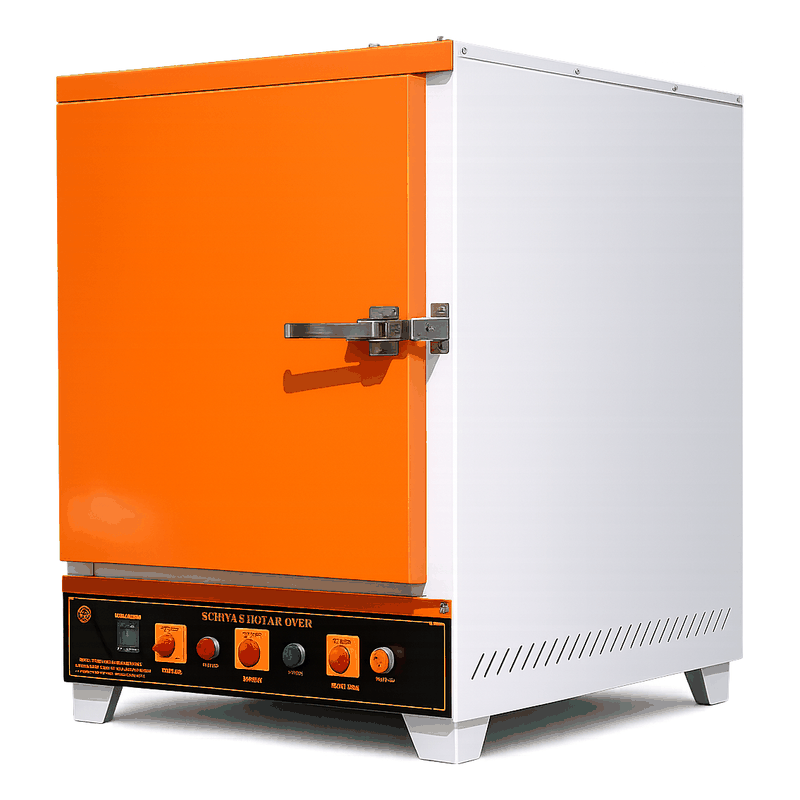
- Hot‑air ovens: Ideal for drying at lower temperatures (up to 300 °C) but lack the sealed chamber needed for oxidative studies.
- Tube furnaces: Offer higher throughput for continuous processing but expose samples to direct flame and potential contamination.
- Microwave reactors: Provide rapid volumetric heating for certain organic syntheses, yet require specialized safety protocols.
Choosing between these options depends on the nature of the sample, required temperature uniformity, and regulatory constraints.
Installation, Calibration, and Routine Maintenance
Proper installation minimizes thermal gradients and prolongs furnace life. Chennai manufacturers typically provide:
- Site‑survey to confirm adequate floor loading capacity and ventilation.
- Electrical wiring according to IS 3043 standards for high‑temperature equipment.
- Initial calibration using a certified thermocouple and reference furnace.
Routine maintenance includes:
- Monthly visual inspection of the interior lining for cracks or spalling.
- Quarterly verification of temperature accuracy with a calibrated sensor.
- Annual cleaning of the heating elements to remove dust and prevent hot‑spot formation.
- Replacing door seals every 2–3 years to maintain thermal efficiency.
Common Mistakes to Avoid
- Over‑loading the chamber. Exceeding the rated capacity leads to uneven heating and potential damage to the furnace lining.
- Using non‑compatible sample containers. Plastic or low‑melting‑point metals can melt and contaminate the interior.
- Neglecting safety interlocks. Bypassing door locks for convenience compromises operator safety.
- Skipping regular calibration. Drift in temperature sensors can invalidate test results, especially in regulated industries.
Frequently Asked Questions
What is the typical warranty period for a muffle furnace from Chennai manufacturers?
Most reputable suppliers offer a 12‑month comprehensive warranty covering parts and labor, with optional extensions for critical applications.
Can a muffle furnace be integrated into a Laboratory Information Management System (LIMS)?
Yes, units equipped with Ethernet or RS‑485 interfaces can communicate temperature logs directly to LIMS platforms, facilitating audit trails.
Are there energy‑saving modes available?
Many modern models feature “standby” or “eco” modes that reduce power consumption when the furnace is idle, while maintaining the set temperature for rapid resumption of work.
How do I verify that a furnace complies with Indian regulatory standards?
Request the manufacturer’s compliance certificates, such as BIS certification, ISO‑9001 quality management, and CE marking for electrical safety.
Final Verdict and Next Steps
Choosing a reliable partner among muffle furnace manufacturers in Chennai hinges on technical specifications, compliance documentation, and post‑sale support. Evaluate temperature range, chamber capacity, control sophistication, and safety features against your laboratory’s workflow. Compare quotes, ask for on‑site demonstrations, and verify that the supplier offers calibration and spare‑part services.
Ready to explore a complementary piece of equipment for your heat‑treatment suite? Check out the laboratory hot air ovens offered by Sathya Scientific and see how they can integrate with your existing muffle furnace setup.