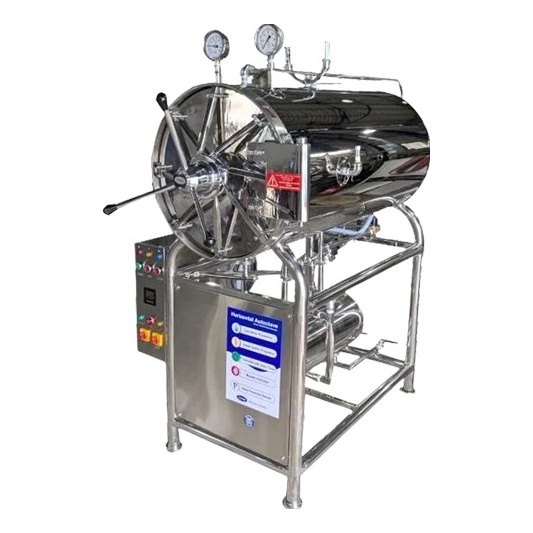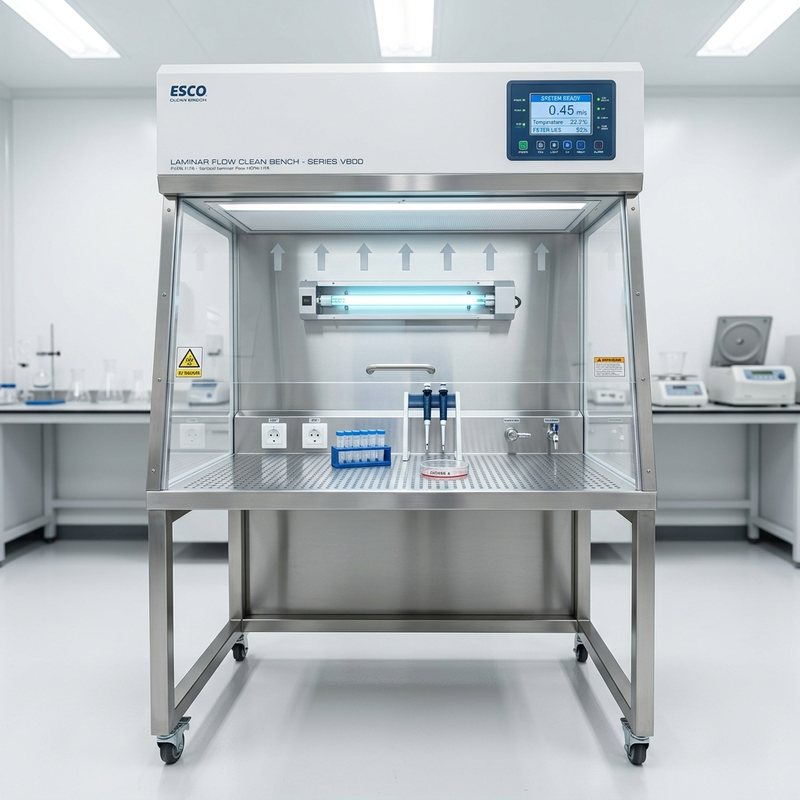
When setting up a commercial mushroom cultivation unit in Chennai or any part of Tamil Tamil Nadu, the two most critical pieces of laboratory hardware are the autoclave and the laminar flow cabinet. Together they create a sterile environment that protects spawn, substrate, and fruiting bodies from contaminating microbes. In this guide we explore the working principles, key specifications, selection criteria, and maintenance practices for these essential pieces of lab equipment for mushroom cultivation units: autoclave and laminar flow, helping laboratory managers and procurement teams make informed decisions.
Table of Contents
- Why Autoclaving Is the Cornerstone of Mushroom Sterilisation
- Laminar Flow Cabinets: Maintaining a Contamination‑Free Workbench
- Selecting the Right Autoclave for Your Mushroom Facility
- Choosing a Laminar Flow Cabinet That Fits Your Workflow
- Alternative Sterilisation Technologies
- Installation, Calibration, and Routine Maintenance
- Common Mistakes to Avoid
- Frequently Asked Questions
- Final Verdict and Practical Recommendations
Why Autoclaving Is the Cornerstone of Mushroom Sterilisation
An autoclave uses saturated steam under pressure to raise the temperature of the load to 121 °C ± 2 °C for a minimum of 15‑30 minutes, achieving a 6‑log reduction of bacterial spores. In mushroom cultivation the substrate (e.g., rye, millet, sawdust) must be sterilised to eliminate competing fungi and bacteria that would otherwise out‑grow the desired mycelium. The high‑pressure steam penetrates dense grain packs, ensuring uniform heat transfer throughout the load.
Core Components of a Laboratory Autoclave
- Pressure vessel: Typically constructed from 304 stainless steel for corrosion resistance.
- Steam generator: Electric or gas‑driven boiler that supplies saturated steam.
- Control panel: Digital controllers allow precise programming of temperature, pressure, and hold time.
- Safety valves and pressure relief devices: Mandatory per ISO 13485 and CDC guidelines.
Modern autoclaves for mushroom labs range from benchtop models with 5‑10 L capacity to floor‑standing units exceeding 100 L. For a medium‑scale operation in Bengaluru, a 30‑L horizontal autoclave (see Horizontal Autoclave) offers a balance of throughput and footprint.
Laminar Flow Cabinets: Maintaining a Contamination‑Free Workbench
After sterilising substrate, the mycelium is transferred onto agar plates or grain bags inside a laminar flow cabinet. These cabinets deliver HEPA‑filtered air at a constant velocity (typically 0.3–0.5 m/s) across a work surface, sweeping away airborne spores and dust. The result is a Class 100 (ISO 5) environment that dramatically reduces the risk of contamination during inoculation, sub‑culturing, and fruiting‑room preparation.
Key Features to Look For
- Airflow type: Horizontal flow is preferred for mushroom work because the clean air moves directly over the work surface and out the front, preventing back‑draft.
- Filter rating: HEPA filters must meet 99.97 % efficiency at 0.3 µm.
- UV‑C lamp: Optional for periodic surface sterilisation.
- Adjustable sash and ergonomics: Reduces operator fatigue during long inoculation sessions.
The laminar flow unit available from Sathya Scientific (Laminar Air Flow) complies with ISO 14644‑1 and offers a 120 cm × 60 cm work area suitable for most spawn‑production workflows.
Selecting the Right Autoclave for Your Mushroom Facility
A common consideration during equipment selection is the volume of substrate processed per batch. Calculate the daily substrate load, then choose an autoclave whose capacity allows at least two cycles per day to accommodate cleaning and loading time. Other selection criteria include:
- Temperature uniformity: Look for ±1 °C variation across the chamber.
- Cycle flexibility: Ability to run short‑cycle (15 min) for grain and long‑cycle (90 min) for bulk sawdust.
- Power consumption: In regions with high electricity tariffs, a model with variable‑frequency drive (VFD) can reduce energy costs.
- Installation requirements: Ensure adequate floor load capacity (≈150 kg/m²) and proximity to a condensate drain.
For labs that need both high‑pressure sterilisation and a compact footprint, the vertical high‑pressure autoclave (see Vertical Autoclave) offers a space‑saving design without compromising performance.
Choosing a Laminar Flow Cabinet That Fits Your Workflow
When evaluating laminar flow units, match the cabinet size to the largest inoculation tray you plan to use. A 120 cm wide cabinet comfortably accommodates 10‑inch Petri dishes and 2‑inch grain bags side‑by‑side. Additional factors include:
- Noise level: Fans should operate below 55 dB(A) to maintain a comfortable laboratory environment.
- Air change rate: At least 100 ft³/min ensures rapid removal of contaminants.
- Maintenance schedule: HEPA filters typically require replacement every 12‑18 months, depending on usage.
For educational institutions in Hyderabad that run student projects, a benchtop laminar flow cabinet with a built‑in UV‑C lamp provides both safety and cost efficiency.
Alternative Sterilisation Technologies
While autoclaves dominate mushroom production, some growers experiment with chemical sterilants (e.g., hydrogen peroxide vapor) or microwave‑based systems. These alternatives can reduce cycle time but often lack the deep penetration of steam, leading to uneven sterilisation of dense grain loads. In most commercial settings, the reliability of a pressure‑steam autoclave outweighs the convenience of newer methods.
Installation, Calibration, and Routine Maintenance
Proper installation is essential for both equipment types. Autoclaves must be level, anchored to the floor, and connected to a reliable water supply. Calibration of temperature and pressure sensors should be performed annually using a certified calibrator, as recommended by the CDC’s autoclave standards (CDC Autoclave Guidelines).
Laminar flow cabinets require periodic filter integrity testing (e.g., using a particle counter) and sash alignment checks. Replace HEPA filters only after sealing the cabinet and using manufacturer‑approved tools to avoid damaging the filter frame.
Common Mistakes to Avoid
- Loading the autoclave beyond its rated capacity, which leads to cold spots and incomplete sterilisation.
- Skipping the pre‑vacuum phase on a gravity‑displacement autoclave, reducing steam penetration.
- Operating a laminar flow cabinet with the sash fully raised, which disrupts the laminar airflow pattern.
- Neglecting regular cleaning of the cabinet interior, allowing dust to accumulate on the HEPA filter.
Frequently Asked Questions
What temperature and pressure are required for mushroom substrate sterilisation?
Standard practice is 121 °C at 15 psi (≈1 bar) for at least 15 minutes. Some growers increase to 130 °C for heavily lignocellulosic substrates, but this may affect nutrient quality.
Can I use a laboratory oven instead of an autoclave?
Dry heat ovens cannot achieve the moisture content needed to kill bacterial spores in dense grain. They are suitable only for surface sterilisation of tools.
How often should the HEPA filter be replaced?
Most manufacturers recommend replacement every 12‑18 months, but filter integrity testing should dictate the exact schedule.
Is a vertical autoclave more energy‑efficient than a horizontal model?
Vertical designs often have a smaller footprint and lower heat loss, but energy consumption depends more on insulation quality and control algorithms than on orientation.
Do I need a separate water‑bath for cooling the substrate after autoclaving?
Rapid cooling is critical to prevent contamination. A stainless‑steel water‑bath (see Serological Water Bath) placed adjacent to the autoclave provides a controlled environment for quick temperature drop.
Final Verdict and Practical Recommendations
For reliable mushroom production in India, invest in a stainless‑steel autoclave with precise digital controls and a horizontal or vertical configuration that matches your batch size. Pair it with a HEPA‑filtered laminar flow cabinet that offers sufficient work surface area and low noise operation. Prioritise models with proven safety features, local service support, and readily available spare parts.
Before finalising your purchase, ask the supplier about:
- Warranty length and on‑site installation assistance.
- Availability of calibration certificates and service contracts.
- Turn‑around time for HEPA filter replacement.
- Energy consumption data under typical load conditions.
By addressing these points you can minimise downtime and keep your cultivation cycles running smoothly.
Ready to equip your mushroom lab with the right autoclave and laminar flow cabinet? Explore the full range of options on our site and contact our experts for a customised quotation. For deeper insight into designing sterile chambers, see our custom lab equipment manufacturing guide.