When a laboratory manager in Madurai searches for a Laboratory Equipment Supplier in Madurai: Delivery and Service Support, the expectation goes beyond a simple product catalogue. Reliable delivery, on‑site installation, calibrated performance, and prompt after‑sales service are essential to keep research, quality control, and production lines running without interruption. This article walks you through the technical and logistical aspects you should evaluate before signing a contract with any local supplier.
Table of Contents
- Why Local Delivery Matters for Laboratory Set‑ups
- Understanding Service Support from a Laboratory Equipment Supplier in Madurai: Delivery and Service Support
- Key Equipment Categories Frequently Requested in Madurai
- Selection Criteria for Reliable Equipment
- Comparing Delivery Models: Direct Ship vs. On‑Site Installation
- Maintenance, Calibration, and Troubleshooting – What to Expect
- Common Pitfalls When Dealing with Suppliers
- Frequently Asked Questions
- Final Verdict – Making an Informed Choice
Why Local Delivery Matters for Laboratory Set‑ups
In a city like Madurai, traffic patterns, road conditions, and regional customs can affect delivery timelines. A supplier that maintains a dedicated fleet or partners with trusted logistics providers can guarantee that delicate instruments such as autoclaves, incubators, and high‑temperature furnaces arrive on schedule and without damage. Timely delivery also aligns with project milestones, whether you are commissioning a new pharma pilot plant or expanding an academic research lab.
Understanding Service Support from a Laboratory Equipment Supplier in Madurai: Delivery and Service Support
Service support encompasses three core pillars: installation, calibration, and ongoing maintenance. A competent supplier will dispatch certified engineers to unpack, level, and connect the equipment to power, water, and gas supplies as required. After installation, they perform a factory‑accepted calibration, documenting traceability to national standards such as those published by the CDC sterilization guidelines. Finally, a preventive‑maintenance schedule—often quarterly or bi‑annual—helps avoid unexpected downtime.
Core Components of Service Packages
- Site Survey: Assessment of space, utilities, and environmental conditions.
- Installation & Validation: Mechanical set‑up, software configuration, and performance verification.
- Calibration Certificates: Documentation that meets ISI or ISO 9001 traceability requirements.
- Spare‑Part Inventory: Local stocking of critical components like pressure sensors, heating elements, and control panels.
- Technical Helpline: 24/7 phone or email support with guaranteed response times.
Key Equipment Categories Frequently Requested in Madurai
Laboratories across Tamil Nadu share a common set of core instruments. Understanding their operating principles helps you ask the right questions during procurement.
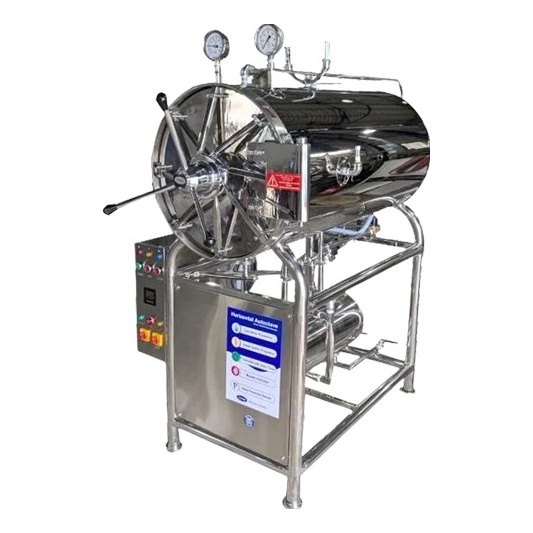
- Autoclaves (Horizontal, Vertical, High‑Pressure Radial Locking): Use saturated steam at 121 °C–134 °C under pressure to achieve sterility. Critical components include a pressure vessel, steam generator, and safety interlocks.
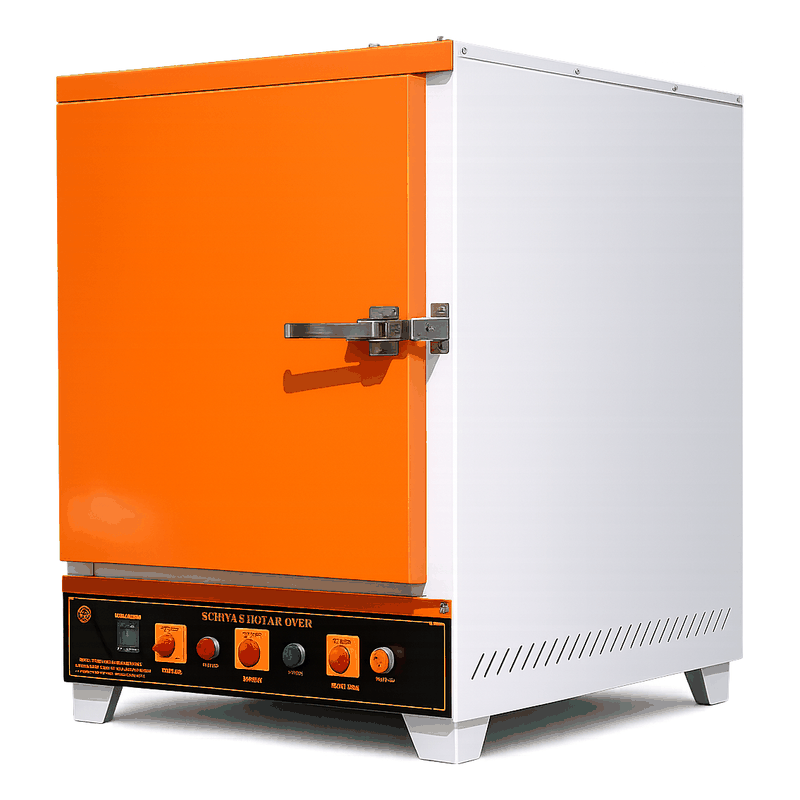
- Incubators (BOD, Bacteriological): Provide precise temperature (±0.5 °C) and humidity control for microbial culture growth. Look for uniform airflow and programmable cycles.
- Furnaces (Muffle, Grooved, High‑Temperature): Operate up to 1400 °C for ash analysis, metallurgy, or ceramic sintering. Insulation material, temperature uniformity, and programmable ramps are key specs.
- Water Baths (Serological, Circulating): Maintain liquid temperatures from 5 °C to 100 °C with ±0.2 °C accuracy. Consider thermostatic control and overflow protection.
- Laboratory Chillers: Provide temperature control for detectors, chromatography columns, and refrigerated incubators, typically ranging from –20 °C to +30 °C.
Selection Criteria for Reliable Equipment
When evaluating a supplier, match the instrument specifications to your application needs and budget constraints. Below are practical checkpoints:
- Performance Accuracy: Verify the manufacturer’s tolerance claims (e.g., ±0.5 °C for incubators) against ISO 9001 or ISI certification.
- Material Compatibility: Stainless‑steel (SS304) chambers resist corrosion, while quartz or ceramic liners suit high‑temperature furnaces.
- Control Interface: Touchscreen panels with data logging simplify compliance reporting.
- Energy Efficiency: Look for insulated enclosures and variable‑frequency drives that lower power consumption.
- Regulatory Compliance: Ensure the equipment meets Indian Pharmacopeia (IP) or WHO GMP requirements for pharmaceutical labs.
Comparing Delivery Models: Direct Ship vs. On‑Site Installation
Some suppliers offer a “drop‑ship” model where the instrument arrives at your dock, and your in‑house technicians handle set‑up. While this can reduce cost, it risks improper alignment or missed calibration steps. The preferred model for critical equipment—especially autoclaves and high‑temperature furnaces—is full on‑site installation with a signed acceptance report. This approach guarantees that the supplier validates performance under your actual lab conditions.
Maintenance, Calibration, and Troubleshooting – What to Expect
Proactive maintenance extends equipment life and safeguards data integrity. A typical service contract includes:
- Quarterly inspection of seals, gaskets, and pressure relief valves.
- Annual calibration of temperature sensors using a NIST‑traceable reference thermometer.
- Software updates for control panels to address security patches.
- Replacement of wear parts such as heating elements or pump modules within the warranty period.
If an instrument displays an error code, the supplier’s technical helpline should provide remote diagnostics within two business hours, followed by on‑site repair if the issue cannot be resolved remotely.
Common Pitfalls When Dealing with Suppliers
Even experienced procurement teams can overlook subtle red flags. Avoid these mistakes:
- Assuming “free delivery” covers installation—clarify the scope in the contract.
- Skipping a site‑survey; inadequate power supply or insufficient ventilation can cause equipment failure.
- Neglecting to verify the availability of genuine spare parts in Madurai; counterfeit components compromise safety.
- Overlooking warranty exclusions such as misuse, unauthorized repairs, or operating outside specified temperature ranges.
Frequently Asked Questions
How fast can a supplier deliver a new autoclave to a lab in Madurai?
Most reputable suppliers in Tamil Nadu promise delivery within 7‑10 business days for stocked models, provided that site‑survey and utility confirmations are completed in advance. Custom‑specifications may extend the lead time to 3‑4 weeks.
What does a typical service contract include?
A standard contract covers installation, a one‑year warranty, annual calibration, quarterly preventive maintenance, and a 24 hour technical helpline. Spare‑part logistics and major repairs beyond warranty are usually billed separately.
Are spare parts readily available locally?
Leading suppliers maintain a regional inventory hub in Chennai, which services Madurai within 48 hours for high‑turnover items such as pressure gauges, heating elements, and control modules. For specialty parts, they may ship directly from the manufacturer within 5‑7 days.
Final Verdict – Making an Informed Choice
Choosing the right Laboratory Equipment Supplier in Madurai: Delivery and Service Support hinges on more than price alone. Prioritize suppliers that demonstrate transparent logistics, certified installation engineers, and a robust after‑sales framework. Verify that they can provide calibrated performance certificates, maintain a local spare‑part stock, and respond swiftly to service calls. By aligning these factors with your lab’s specific workflow, you reduce downtime and safeguard research integrity.
Ready to evaluate equipment that meets your specifications? Explore our Horizontal Autoclave range and discover how a dedicated delivery and service team can streamline your laboratory’s operational excellence.