Laboratory managers and procurement teams in Tamil Nadu often ask, “Where can I find reliable laminar air flow suppliers in Tamil Nadu?” The answer lies in understanding the technology, the local market, and the service ecosystem that supports clean‑air workstations. This article walks you through the working principle of laminar flow cabinets, the varieties available, selection criteria, maintenance tips, and the questions you should ask before signing a purchase order.
Table of Contents
- How a Laminar Air Flow Cabinet Works: Core Principles
- Key Considerations When Evaluating laminar air flow suppliers in Tamil Nadu
- Why Local laminar air flow suppliers in Tamil Nadu Matter for Your Lab
- Comparing Alternative Technologies
- Installation, Calibration, and Routine Maintenance
- Common Mistakes to Avoid When Working with Laminar Flow Cabinets
- Frequently Asked Questions
- Final Verdict and Practical Recommendations
How a Laminar Air Flow Cabinet Works: Core Principles
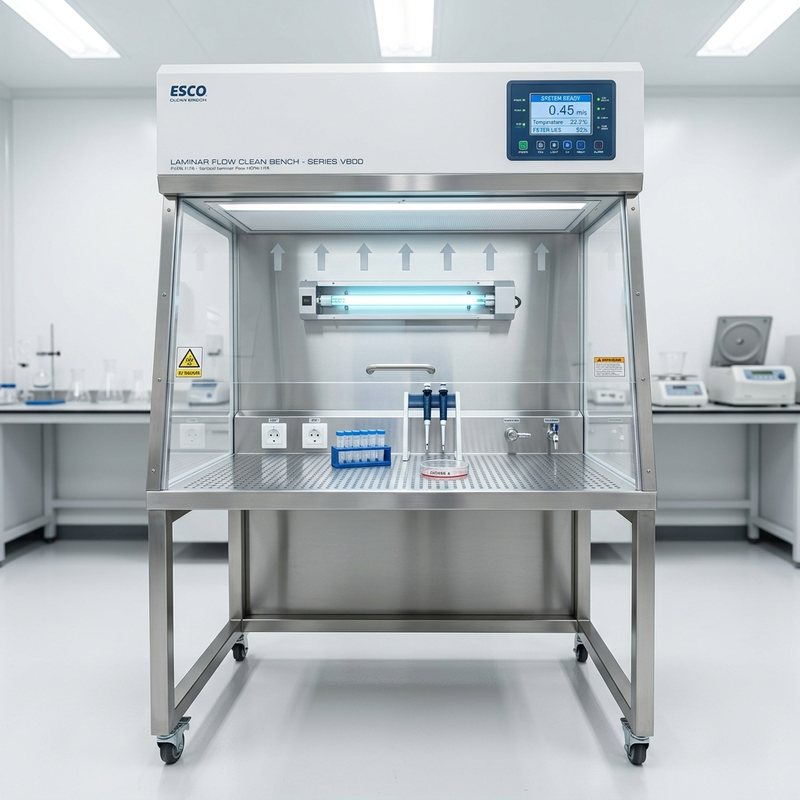
A laminar air flow cabinet, also known as a clean bench, creates a unidirectional stream of HEPA‑filtered air that sweeps particles away from the work surface. The air passes through a high‑efficiency particulate air (HEPA) filter (≥99.97 % removal of 0.3 µm particles) and is then delivered either vertically or horizontally across the workspace. The key components include:
- Pre‑filter: Captures larger dust before the HEPA stage.
- HEPA filter: Provides the certified clean‑air performance.
- Fan and motor assembly: Generates the required air velocity (typically 0.3–0.5 m s‑¹).
- Work surface and sash: Allows visual monitoring while protecting the operator.
- Control panel: Offers speed adjustment, alarms, and sometimes UV‑C disinfection.
In laboratory practice, the laminar flow protects sterile products, cell cultures, and analytical samples from ambient contamination while keeping the operator safe from exposure to hazardous aerosols.
Key Considerations When Evaluating laminar air flow suppliers in Tamil Nadu
Choosing a supplier is more than comparing price tags. Look for the following attributes:
- Certification compliance: Verify that the cabinet meets ISO 14644‑1 cleanroom standards and, for pharmaceutical use, complies with ISPE GMP guidelines.
- Local service network: A supplier with a service centre in Chennai or Coimbatore can provide faster calibration, spare‑part delivery, and on‑site troubleshooting.
- Customization options: Size, sash type (fixed, sliding, or hinged), and optional features such as UV‑C lamps or integrated pass‑through chambers.
- Warranty and documentation: Look for at least a 12‑month warranty, complete user manuals, and validation protocols that align with Indian regulatory expectations.
- After‑sales support: Training for staff, periodic performance checks, and a clear spare‑part catalogue are essential for long‑term reliability.
Typical Specifications to Review
When you receive a quotation, compare the following technical data:
- Airflow velocity (m s‑¹) and uniformity across the work area.
- Filter grade (HEPA‑13, ULPA) and filter life expectancy.
- Operating temperature range (usually 15 °C – 30 °C).
- Noise level (dB A) – important for shared laboratory spaces.
- Construction material – stainless steel frames resist corrosion in humid environments.
- Power consumption (W) and backup options for critical applications.
Why Local laminar air flow suppliers in Tamil Nadu Matter for Your Lab
Proximity reduces lead times for both initial delivery and future service calls. Tamil Nadu hosts several industrial hubs (Chennai, Coimbatore, Tiruchirappalli) where manufacturers and distributors have established logistics channels. Local suppliers also understand regional power quality issues and can recommend appropriate voltage stabilisers or UPS units.
Moreover, many Tamil Nadu suppliers collaborate with Indian certification bodies, making it easier to obtain the required documentation for regulatory audits. This local knowledge can translate into smoother validation processes for pharmaceutical and biotech firms operating under CDSCO guidelines.
Comparing Alternative Technologies
While laminar flow cabinets are the workhorse for aseptic handling, other clean‑air solutions exist:
- Class 100 (ISO 5) glove boxes: Provide a sealed environment with built‑in gloves, ideal for handling highly toxic or radioactive materials. However, they are more expensive and require rigorous leak testing.
- Positive‑pressure cleanrooms: Offer whole‑room contamination control but involve higher construction costs and HVAC complexity.
- Biological safety cabinets (BSCs): Protect the user and environment from biohazards but do not provide the same level of particle‑free air over the work surface as laminar flow cabinets.
For most routine microbiology, cell culture, and analytical chemistry tasks, a properly specified laminar air flow cabinet remains the most cost‑effective choice.
Installation, Calibration, and Routine Maintenance
Proper installation is critical for performance:
- Place the cabinet away from high‑traffic zones and direct drafts.
- Ensure the floor is level; uneven surfaces can disturb airflow patterns.
- Connect the unit to a dedicated circuit with appropriate grounding.
Calibration should be performed after installation and then annually, using a calibrated anemometer to verify airflow velocity and uniformity. Follow the supplier’s validation protocol, which typically includes:
- Particle count measurement (ISO 14644‑1 compliance).
- Filter integrity test (pressure decay method).
- Noise and temperature checks.
Routine cleaning steps include wiping the interior with a low‑pH detergent, disinfecting the work surface with 70 % isopropyl alcohol, and replacing pre‑filters every 6‑12 months depending on usage intensity.
Common Mistakes to Avoid When Working with Laminar Flow Cabinets
Even experienced users can slip into habits that compromise sterility:
- Blocking the airflow: Storing large equipment inside the cabinet or placing items too close to the filter reduces the effective clean‑air zone.
- Improper sash position: Leaving the sash fully open defeats the containment purpose; keep it at the recommended height.
- Neglecting filter replacement: A clogged HEPA filter increases pressure drop and can lead to turbulence, allowing particles to settle on the work surface.
- Skipping routine performance checks: Without regular verification, you may miss gradual degradation that affects product quality.
Frequently Asked Questions
What is the difference between vertical and horizontal laminar flow cabinets?
Vertical cabinets draw air from the top and deliver it downward, which is useful when working with large trays or plates. Horizontal cabinets push air from the back toward the user, providing a clear view of the work area and easier access for instruments.
Do I need a certified HEPA filter for ISO 5 work?
Yes. ISO 5 (Class 100) requires a filter that achieves at least 99.97 % efficiency for 0.3 µm particles. Many suppliers offer HEPA‑13 or ULPA filters that meet or exceed this requirement.
Can I use a laminar flow cabinet for viral work?
For viral work that generates aerosols, a Class II Biological Safety Cabinet is recommended because it provides both personnel protection and product containment. Laminar flow cabinets are suitable for non‑aerosol viral manipulations, such as plating pre‑inactivated samples.
How long does a typical delivery take from a Tamil Nadu supplier?
Lead times vary between 2‑6 weeks depending on stock availability, custom dimensions, and import of specific filter media. Choosing a local supplier can shave a week or more off the timeline compared with a distant national distributor.
Is there a warranty on the HEPA filter itself?
Most manufacturers provide a warranty on the cabinet chassis and motor, while the HEPA filter is covered under a performance guarantee that specifies a minimum service life (often 2 years) provided that maintenance schedules are followed.
Final Verdict and Practical Recommendations
When searching for laminar air flow suppliers in Tamil Nadu, prioritize vendors that demonstrate ISO 14644‑1 compliance, a proven local service network, and transparent warranty terms. Compare specifications such as airflow velocity, filter grade, and construction material against the specific needs of your laboratory—whether it’s cell culture, analytical chemistry, or pharmaceutical aseptic processing.
Ask potential suppliers for a detailed quotation that includes installation, training, and a schedule for annual calibration. Verify that they can provide documentation for regulatory audits and that spare parts are stocked locally.
By focusing on these practical criteria, you can secure a laminar flow cabinet that delivers consistent clean‑air performance while minimizing downtime and total cost of ownership.
Ready to explore the options available from a reputable Indian supplier? Visit our laminar airflow cabinet guide for Chennai to see product listings, technical datasheets, and contact details for qualified vendors.
For detailed standards on cleanroom classification, refer to the ISO 14644‑1 cleanroom standards.