Laboratory managers and procurement professionals in Chennai often ask, “Where can I find reliable biological safety cabinet suppliers in Chennai?” A well‑chosen supplier not only provides the right class of cabinet but also ensures proper installation, after‑sales support, and compliance with Indian and international biosafety standards. This article walks you through the working principle of a biosafety cabinet, the key features to compare, and the questions to ask before signing a purchase order.
Table of Contents
- How a biological safety cabinet works
- Types of biological safety cabinets commonly supplied in Chennai
- Why choose local biological safety cabinet suppliers in Chennai?
- Key criteria when evaluating biological safety cabinet suppliers in Chennai
- Comparing biosafety cabinets with laminar flow hoods
- Installation, validation, and routine maintenance
- Common mistakes to avoid when purchasing a cabinet
- Frequently Asked Questions
- Final verdict and next steps
How a biological safety cabinet works
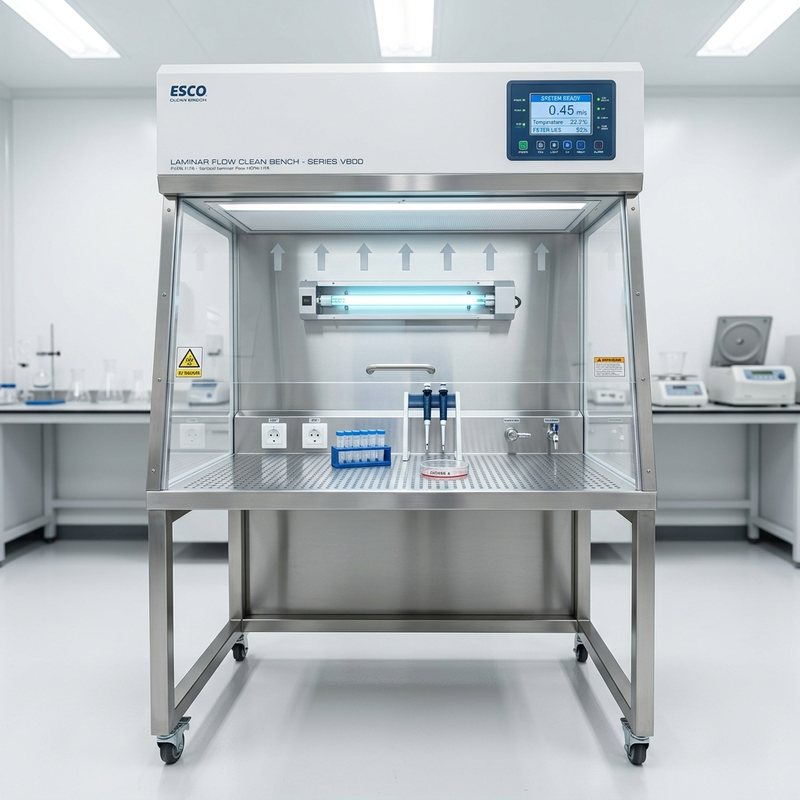
A biological safety cabinet (BSC), also called a biosafety cabinet, creates a protected work zone by drawing air through a high‑efficiency particulate air (HEPA) filter. The filtered air is then supplied to the front opening, forming a laminar flow that prevents contaminants from escaping the cabinet while protecting the operator from aerosolized agents.
- Air intake and pre‑filter: Ambient air is drawn in through a pre‑filter that removes large particles.
- HEPA filtration: The air passes through a HEPA filter (99.97% efficiency at 0.3 µm) to eliminate microorganisms.
- Down‑flow or recirculating pattern: In Class II cabinets, the filtered air is recirculated back into the work area, providing both product and personnel protection. In Class I cabinets, only the exhaust is filtered, offering personnel protection only.
- Exhaust system: Exhaust air is either recirculated (Class II) or expelled through a dedicated duct (Class III), often with a secondary HEPA filter.
Types of biological safety cabinets commonly supplied in Chennai
Suppliers in Chennai typically stock three main classes, each suited to different risk levels:
- Class I: Personnel‑protective only; used for low‑risk microbiological work.
- Class II, Type A2: Provides both product and personnel protection; most popular in pharmaceutical and research labs.
- Class II, Type B2: Exhausts 100 % of air outside the lab; required for work with volatile chemicals.
- Class III (glove box): Full containment for Biosafety Level 4 agents; rarely needed in routine industrial labs.
Why choose local biological safety cabinet suppliers in Chennai?
Local suppliers bring several advantages that national or overseas distributors cannot match:
- Rapid response: On‑site installation, calibration, and service visits can be scheduled within days rather than weeks.
- Regulatory familiarity: They understand the requirements of the CDC biosafety cabinet standards, the Indian Pharmacopoeia, and BIS certifications, ensuring that the equipment meets local compliance.
- Spare‑part logistics: Genuine HEPA filters and consumables are stocked in Tamil Nadu, reducing downtime.
- Language and support: Technical documentation and training are provided in English and Tamil, easing hand‑over to lab staff.
Key criteria when evaluating biological safety cabinet suppliers in Chennai
When you shortlist a supplier, assess the following factors:
Technical specifications
Look for clear data sheets that list airflow velocity (typically 0.45 m/s for Class II), cabinet dimensions, sash travel range, and filter certifications (e.g., EN 1822). Verify that the cabinet complies with ISO 14644‑1 clean‑room classification if your lab requires a specific ISO class.
After‑sales service
Reliable suppliers offer:
- Installation and certification by a qualified technician.
- Annual preventive maintenance contracts.
- Quick turnaround for HEPA filter replacement.
- Access to original spare parts rather than third‑party equivalents.
Warranty and documentation
A standard warranty of 12 months on the cabinet and 24 months on the HEPA filter is common. Ensure you receive a user manual, validation protocol, and a compliance certificate aligned with Indian standards.
Pricing transparency
Price drivers include cabinet class, airflow capacity, stainless‑steel construction, and optional features such as UV decontamination or integrated gas‑tight seals. Request a detailed quotation that separates the base unit, optional accessories, installation, and annual service fees.
Comparing biosafety cabinets with laminar flow hoods
Many buyers mistakenly think a laminar flow hood can replace a BSC. While both use HEPA filtration, a laminar flow hood only protects the product; it offers no barrier against aerosols for the operator. In contrast, a Class II cabinet protects both the product and the user. If your work involves infectious agents, a BSC is mandatory under the Occupational Safety and Health Administration (OSHA) and CDC guidelines.
Installation, validation, and routine maintenance
Proper installation is critical for performance:
- Location: Place the cabinet away from high‑traffic zones, with at least 0.5 m clearance on all sides.
- Electrical supply: Use a dedicated, grounded circuit with a voltage stabilizer to prevent power surges.
- Air balance test: After installation, a certified technician should perform a smoke test to confirm proper airflow patterns.
Routine maintenance includes:
- Monthly visual inspection of the pre‑filter and HEPA filter for damage.
- Quarterly certification of airflow velocity using a calibrated anemometer.
- Annual professional service that checks the motor, seals, and alarm systems.
Common mistakes to avoid when purchasing a cabinet
Even experienced procurement teams can overlook critical details:
- Ignoring class requirements: Selecting a Class I cabinet for work that demands product protection leads to regulatory non‑compliance.
- Undersizing the cabinet: A cabinet that is too small forces frequent sash adjustments, disrupting the laminar flow.
- Skipping validation: Without a proper certification, the cabinet cannot be used for GMP or GLP studies.
- Choosing the cheapest HEPA filter: Non‑certified filters may have lower efficiency, compromising safety.
Frequently Asked Questions
What certifications should a cabinet have for use in Indian pharmaceutical labs?
Look for compliance with ISO 14644‑1, EN 1822 (HEPA filter), and BIS (Bureau of Indian Standards) certification. Many suppliers also provide a CE mark for European market conformity.
Can a cabinet be moved after installation?
Moving a BSC requires a full re‑validation of airflow and filter integrity. It is best to plan the final location before purchase.
How often does the HEPA filter need replacement?
Typical service life is 12‑24 months, depending on usage intensity and the type of work. Suppliers usually recommend a pressure drop test to decide the exact replacement time.
Is a UV lamp inside the cabinet necessary?
UV lamps can provide an additional decontamination step but are not a substitute for proper cleaning and filter maintenance. Verify that the lamp’s wavelength is 254 nm and that the cabinet’s design accommodates safe UV use.
Do I need a separate exhaust duct for a Class II, Type B2 cabinet?
Yes. Type B2 cabinets exhaust 100 % of the air outside the laboratory, requiring a dedicated, filtered duct system to meet local building codes.
Final verdict and next steps
Choosing the right biological safety cabinet supplier in Chennai hinges on technical compliance, local support, and transparent pricing. Evaluate the class of cabinet required for your applications, verify certifications, and prioritize suppliers who offer on‑site installation and a robust service network. For a detailed comparison of manufacturers and a ready‑to‑download buying guide, visit the biosafety cabinet manufacturers in India guide. A well‑matched supplier will help you maintain a safe laboratory environment while meeting regulatory expectations.