Setting up a pharmaceutical quality control (QC) laboratory in India demands a clear equipment checklist for new pharmaceutical QC labs that balances regulatory compliance, analytical performance, and cost‑effectiveness. In this guide we walk laboratory managers, procurement officers, and QC scientists through the essential instruments, selection criteria, and practical tips that keep your lab ready for GMP‑driven testing.
Table of Contents
- Why a Structured Checklist Matters in Pharmaceutical QC
- Equipment Checklist for New Pharmaceutical QC Labs – Core Instruments
- Equipment Checklist for New Pharmaceutical QC Labs: Safety and Compliance
- How to Choose the Right Instruments for Your QC Lab
- Alternative Technologies – When to Consider Them
- Installation, Calibration, and Routine Maintenance
- Common Mistakes to Avoid When Building a QC Lab
- Frequently Asked Questions
- Final Verdict and Practical Recommendations
Why a Structured Checklist Matters in Pharmaceutical QC
In laboratory practice, a well‑defined checklist prevents costly gaps that could jeopardise batch release or trigger FDA inspections. It also streamlines budgeting, ensures that safety features are not overlooked, and provides a common language for cross‑functional teams – from validation engineers to maintenance staff.
Equipment Checklist for New Pharmaceutical QC Labs – Core Instruments
The backbone of any QC lab consists of analytical, environmental, and support equipment. Below is a concise list of categories, with typical specifications used in Indian pharma facilities.
- Analytical Balances (Class II‑IV) – Minimum readability 0.01 mg, draft‑shielded, stainless‑steel pan, ISO‑9001 calibration certificate.
- High‑Performance Liquid Chromatography (HPLC) Systems – Binary pump, UV‑Vis detector (190‑600 nm), autosampler (≥100 µL), column oven (30‑80 °C).
- Gas Chromatography (GC) with FID/TCD – Injector temperature up to 300 °C, column oven 40‑300 °C, integrated data system compliant with 21 CFR Part 11.
- UV‑Visible Spectrophotometer – Wavelength range 190‑1100 nm, photometric accuracy ±0.002 AU, thermostatted cell holder.
- pH Meters (Benchtop) – Automatic temperature compensation, calibration with at least three buffer standards.
- Refrigerated Centrifuges – Speed up to 15,000 rpm, temperature control 2‑40 °C, swing‑out rotor for tubes.
- Incubators (BOD, Bacteriological) – Temperature range 5‑60 °C, CO₂ control optional, data logger for audit trail. Read our calibration guide for incubators.
- Humidity Chambers – Relative humidity 10‑98 %, temperature 5‑80 °C, programmable cycles for stability studies.
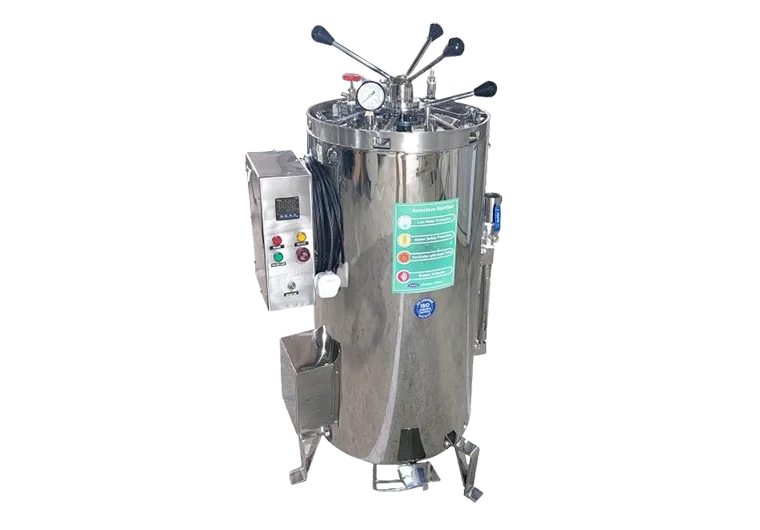
- Autoclaves (Horizontal, Vertical, High‑Pressure) – Steam sterilisation at 121‑134 °C, load capacity 20‑100 L, automatic cycle validation.
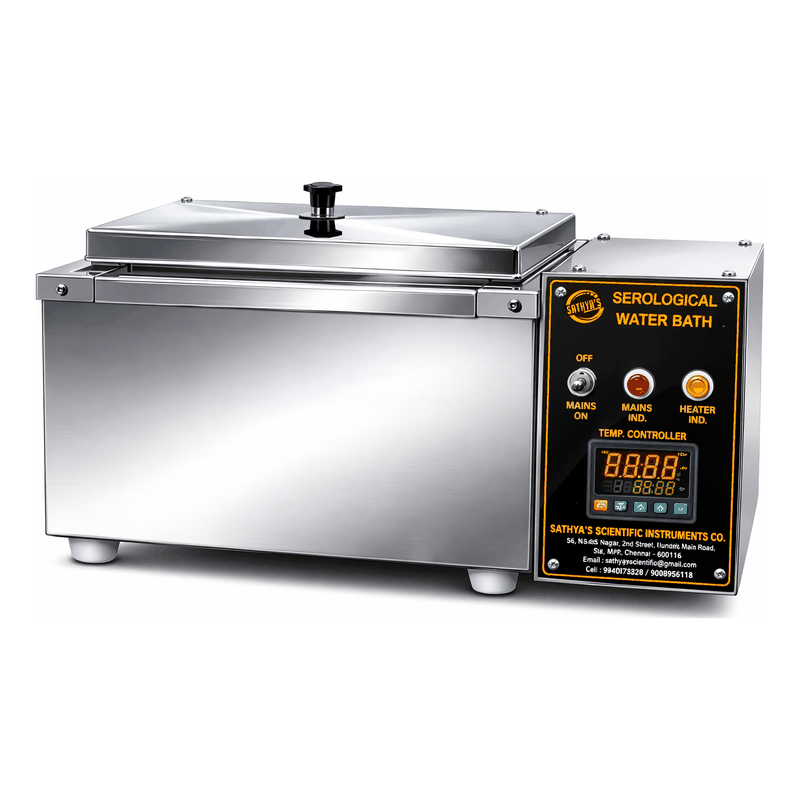
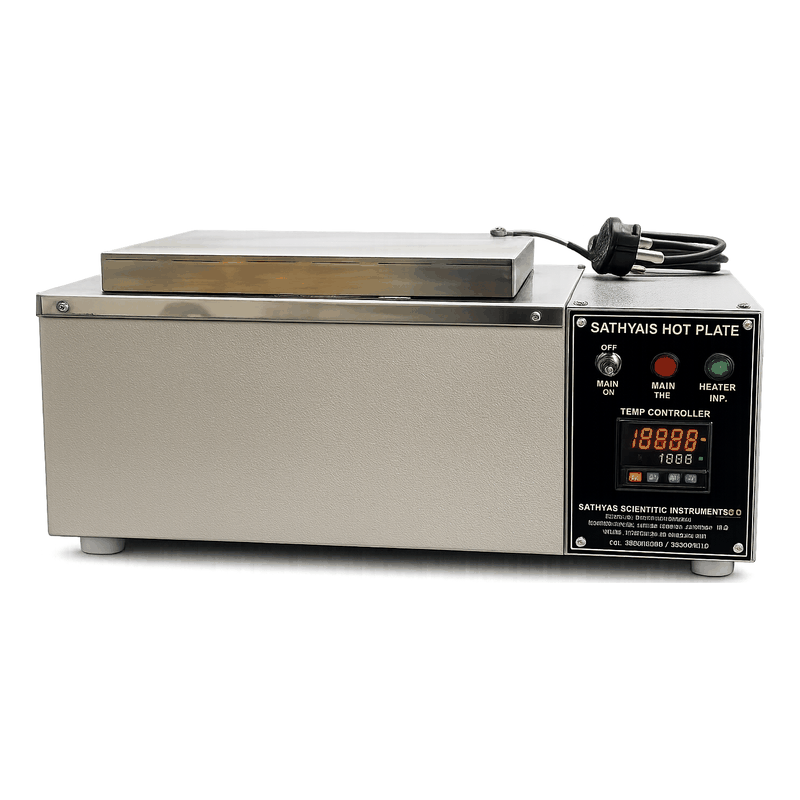
- Water Baths (Concentric Ring, Serological) – Temperature stability ±0.1 °C, capacity 2‑30 L, digital control.
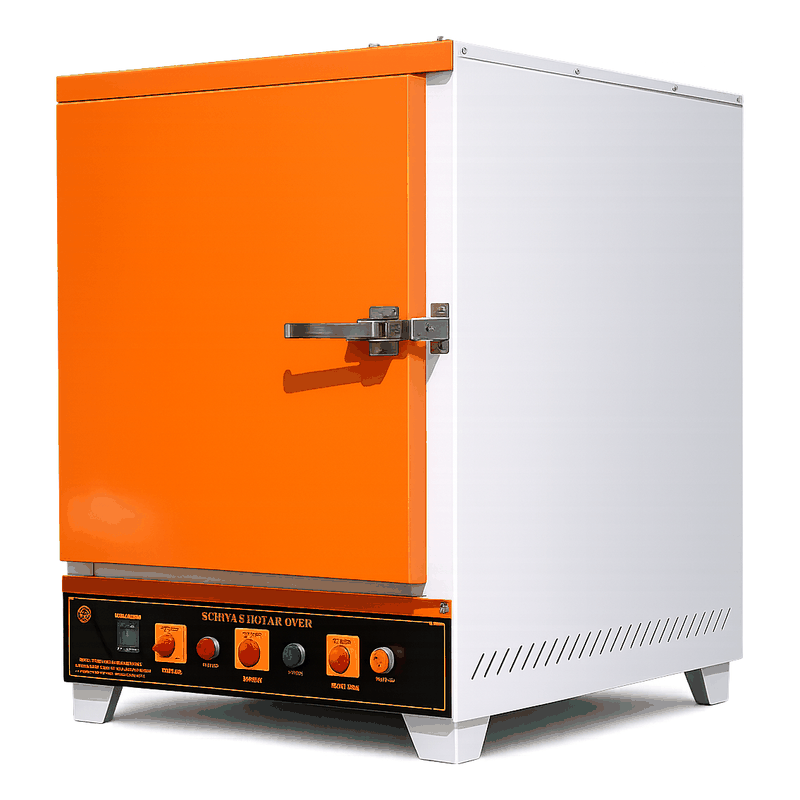
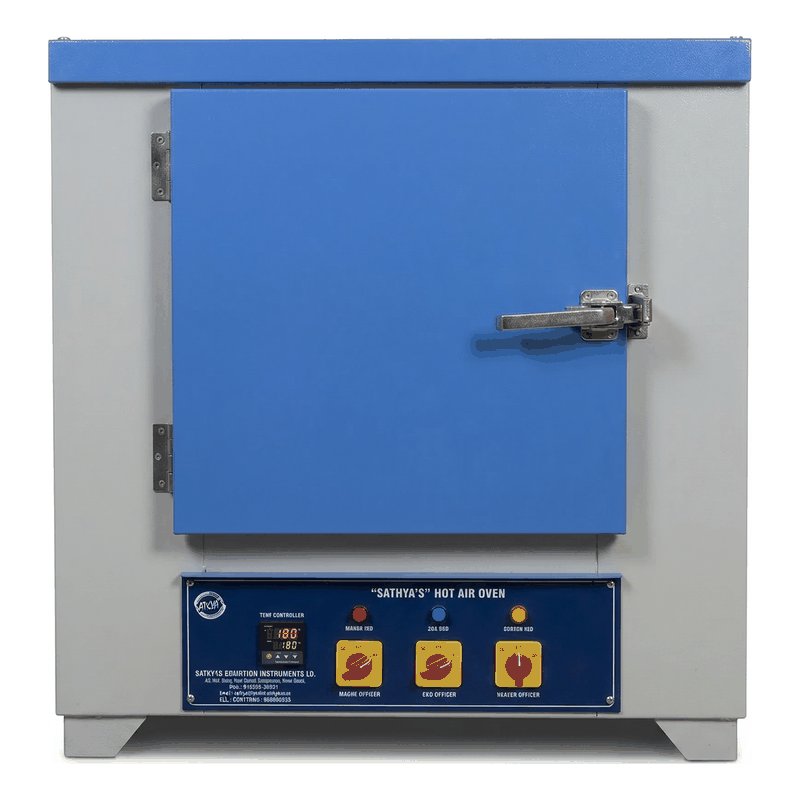
- Ovens (Hot‑Air, Muffle, High‑Temp) – Uniformity ±1 °C, max temperature 250‑300 °C for muffle, up to 1400 °C for high‑temp furnace.
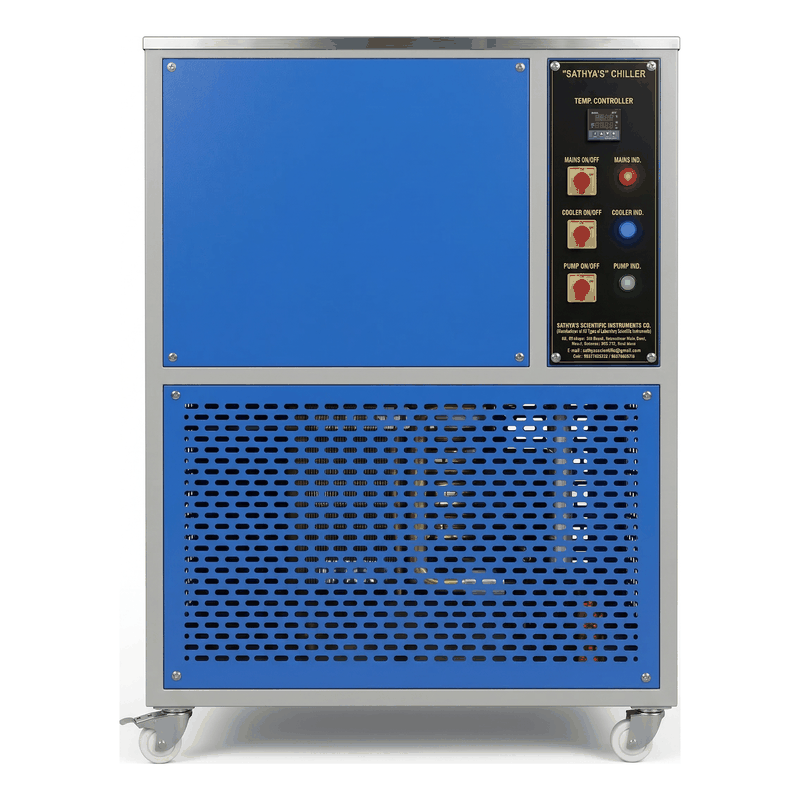
- Laboratory Chillers – Cooling range 0‑30 °C, recirculation flow ≥10 L/min, stainless‑steel reservoir.
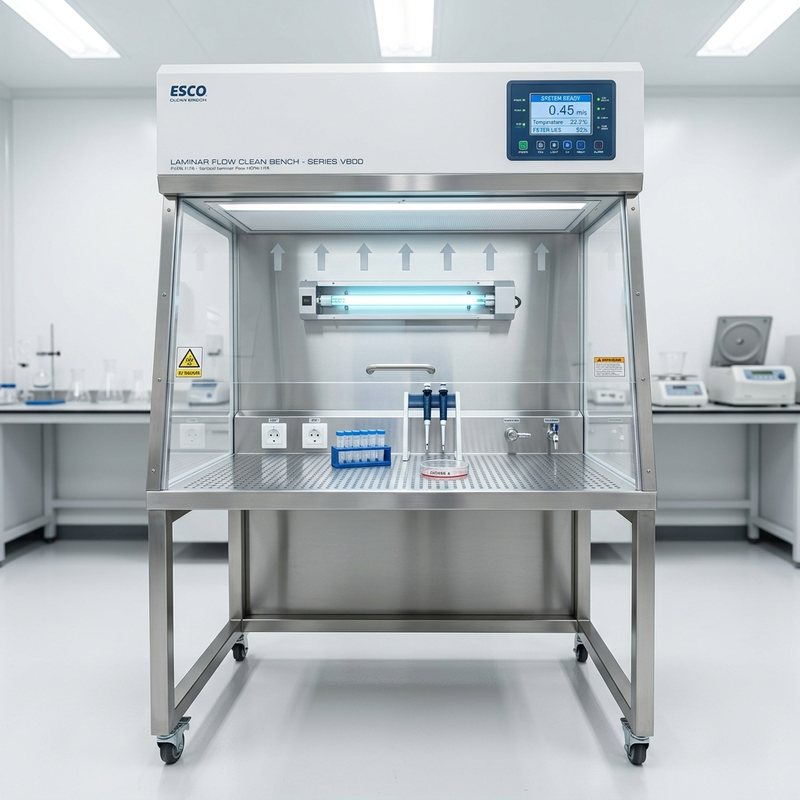
- Laminar Flow Hoods (Class II) – HEPA‑rated, 0.45 m/s face velocity, sash height adjustable.
- Soxhlet Extraction Apparatus – Glassware with 500 mL thimble capacity, heating mantle control.

Supporting Equipment and Consumables
Beyond core analyzers, a functional QC lab needs reliable accessories: calibrated thermometers, vortex mixers, sonicators, analytical pipettes, and glassware made of borosilicate. Ensure each item carries a traceable calibration certificate and is compatible with GMP documentation.
Equipment Checklist for New Pharmaceutical QC Labs: Safety and Compliance
Regulatory bodies such as the U.S. FDA and India’s CDSCO require documented safety controls. Incorporate the following into your checklist:
- Emergency eye‑wash stations and safety showers within 10 m of chemical workstations.
- Explosion‑proof fume hoods for volatile solvents.
- Temperature‑controlled storage for reagents (‑20 °C freezers, 4 °C refrigerators) with alarm systems.
- Electrical grounding and surge protection for all high‑power instruments.
- Periodic validation of autoclave cycles using biological indicators (BIs).
- Documented SOPs for waste segregation, especially for hazardous solvents.
How to Choose the Right Instruments for Your QC Lab
When evaluating suppliers, consider the following criteria:
- Regulatory Certification – Instruments should comply with ISO‑13485, USP General Chapter §, and Indian Pharmacopoeia (IP) standards.
- Technical Support – Look for on‑site installation, training, and a local service network in Chennai or Tamil Nadu.
- Spare Parts Availability – Stock critical components (e.g., pump seals, detector lamps) to minimise downtime.
- Calibration Services – Preference for suppliers offering periodic calibration under an accredited lab (e.g., NABL).
- Warranty Terms – Minimum 12‑month comprehensive warranty, with options to extend.
Cost Factors in the Indian Market
Pricing varies with brand reputation, import duties, and local assembly. Stainless‑steel grades (SS 304 vs SS 316) affect corrosion resistance, especially for humid environments. For detailed comparison, see the article on SS 304 vs SS 316 stainless steel.
Alternative Technologies – When to Consider Them
While traditional HPLC remains the workhorse for assay and impurity testing, Ultra‑High‑Performance Liquid Chromatography (UHPLC) offers higher throughput with sub‑2‑µm columns. However, UHPLC requires higher pressure pumps (up to 15 kpsi) and may increase maintenance costs. If your lab processes high sample volumes (>500 samples/month), the investment can be justified; otherwise, a robust conventional HPLC system is more economical.
Installation, Calibration, and Routine Maintenance
Proper installation is critical for analytical accuracy:
- Place instruments on vibration‑isolated benches, away from HVAC drafts.
- Connect water‑cooled devices to a closed‑loop system with deionised water.
- Perform initial calibration using NIST‑traceable standards before first use.
- Schedule quarterly preventive maintenance – cleaning of optics, replacement of pump seals, and firmware updates.
- Maintain a logbook (paper or electronic) that records each service event, calibration date, and corrective actions.
Common Mistakes to Avoid When Building a QC Lab
- Undersizing Instruments – Selecting a balance with 0.1 mg readability for impurity quantification leads to inaccurate results.
- Neglecting Environmental Controls – Temperature swings of ±2 °C can shift retention times in HPLC.
- Skipping Validation Documentation – Without IQ/OQ/PQ records, regulators may reject batch release data.
- Ignoring Spare Parts Stock – A broken detector lamp can halt analysis for weeks if not pre‑ordered.
- Overlooking Training – Operators unfamiliar with software version control may inadvertently alter method parameters.
Frequently Asked Questions
What is the minimum number of balances required for a small QC lab?
A single Class II analytical balance can handle most assay work, but a second Class III balance is recommended for redundancy and for weighing bulk reagents.
How often should an autoclave be validated?
Regulatory guidance suggests a full cycle validation with biological indicators at least quarterly, and after any major repair or change in load configuration.
Can I use a single water bath for both sample preparation and stability studies?
It is best practice to dedicate a temperature‑controlled water bath for stability chambers to avoid cross‑contamination and to maintain documented traceability.
Do I need a separate fume hood for organic solvents?
Yes. A chemical fume hood with appropriate airflow (≥100 ft³/min) and explosion‑proof rating is required for volatile organic compounds.
What documentation is needed for instrument calibration?
Calibration certificates should include the instrument ID, calibration date, standards used (traceable to NIST), measurement uncertainty, and the technician’s signature.
Final Verdict and Practical Recommendations
Compiling a thorough equipment checklist for new pharmaceutical QC labs is the first step toward a compliant, efficient testing environment. Prioritise instruments that meet ISO‑13485 and USP standards, verify local service support in Chennai/Tamil Nadu, and maintain a robust calibration schedule. By following the guidelines above, you can avoid common pitfalls, control lifecycle costs, and ensure reliable release of pharmaceutical products.
Ready to equip your lab with reliable, Indian‑sourced instruments? Explore the full range of QC‑grade equipment at Sathya Scientific and request a customised quotation today.