
Laboratory managers and procurement specialists across India are asking the same question this year – what is the autoclave price in India 2026: portable, vertical and horizontal models and how do they differ in performance and cost? Whether you run a pharmaceutical QC lab in Chennai, a research institute in Delhi, or a teaching laboratory in Mumbai, understanding the price drivers and technical specifications will help you choose the right sterilizer without overspending.
Table of Contents
- How an Autoclave Works – Core Principles
- Key Components Across Portable, Vertical and Horizontal Autoclaves
- Autoclave Price in India 2026: Portable, Vertical and Horizontal – What Influences Cost?
- Practical Selection Criteria – Choosing the Right Autoclave for Your Lab
- Alternative Sterilization Technologies
- Maintenance, Safety and Troubleshooting
- Common Mistakes to Avoid When Purchasing
- Frequently Asked Questions
- Final Verdict – Making an Informed Purchase
How an Autoclave Works – Core Principles
All autoclaves rely on saturated steam under pressure to achieve sterilization. The basic cycle includes:
- Heating water to generate steam (typically 121 °C–134 °C).
- Pressurising the chamber to 0.1–0.3 MPa above atmospheric pressure.
- Maintaining the target temperature for a defined dwell time (usually 15–30 minutes).
- Exhausting steam and allowing a cooling phase before opening.
The combination of heat, moisture, and pressure denatures proteins and destroys bacterial spores, making autoclaving the gold‑standard for sterilizing glassware, media, and heat‑stable instruments.
Key Components Across Portable, Vertical and Horizontal Autoclaves
Regardless of form factor, an autoclave contains a few common parts:
- Steam generator: Electric heating element or boiler that produces saturated steam.
- Pressure vessel: Usually fabricated from SS 304 or SS 316 stainless steel, rated for the maximum operating pressure.
- Control panel: Digital PLC or micro‑controller that sets temperature, pressure, and time.
- Safety devices: Pressure relief valve, temperature sensors, and door interlock.
Portable units often integrate a compact boiler and a lightweight chassis, while vertical and horizontal models use larger chambers and may include multiple racks or trays for high‑throughput processing.
Autoclave Price in India 2026: Portable, Vertical and Horizontal – What Influences Cost?
When you compare prices, keep in mind the following cost factors:
- Capacity: 10 L‑30 L for portable units; 30 L‑100 L for vertical; 100 L‑300 L for horizontal.
- Construction material: SS 316 offers better corrosion resistance (important for high‑temperature cycles) and is priced higher than SS 304.
- Control sophistication: Touch‑screen PLCs, data logging, and remote monitoring add to the price.
- Certification: Compliance with BIS IS 1519, ISO 13485, or USP BIS standards may increase cost but ensures regulatory acceptance.
- Accessories: Rack systems, load‑weight sensors, and integrated water filtration are optional add‑ons.
In 2026, a basic 10 L portable autoclave typically starts around INR 70,000, while a 300 L horizontal high‑pressure model can exceed INR 4,50,000. Prices vary by brand, warranty terms, and after‑sales service packages.
Portable Autoclaves – When Size Matters
Portable autoclaves are ideal for field labs, small research groups, or teaching facilities where space is at a premium. Common specifications include:
- Capacity: 10 L‑30 L.
- Temperature range: 121 °C–134 °C.
- Power: 2 kW‑3 kW.
- Weight: 30 kg‑60 kg, often on wheels for easy relocation.
Because the chamber is smaller, the heating cycle is quicker, which can reduce operational costs. However, the limited load means more frequent cycles for high‑volume labs.
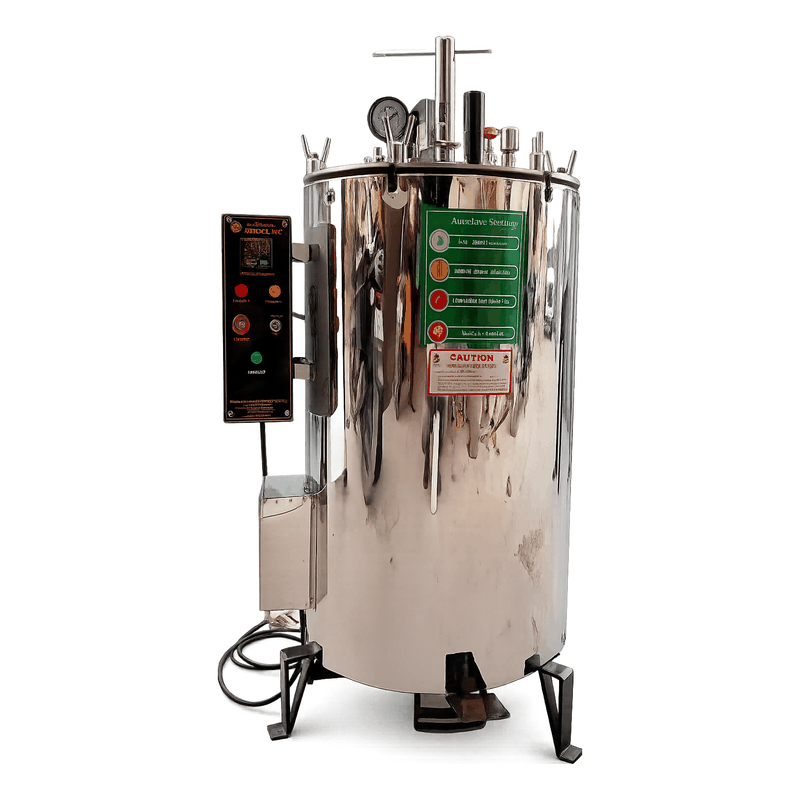
Vertical Autoclaves – The Workhorse for Medium‑Scale Operations
Vertical autoclaves feature a top‑loading door and a tall, cylindrical chamber. They are popular in pharmaceutical QC, microbiology, and hospital central sterilization units.
- Capacity: 30 L‑100 L.
- Temperature range: 121 °C–135 °C.
- Power: 3 kW‑5 kW.
- Typical price range (2026): INR 1,50,000‑₹3,00,000.
Vertical designs allow stacking of trays, which improves space utilisation on the lab bench. The door interlock and pressure‑release mechanisms are robust, making them suitable for repeated high‑pressure cycles.
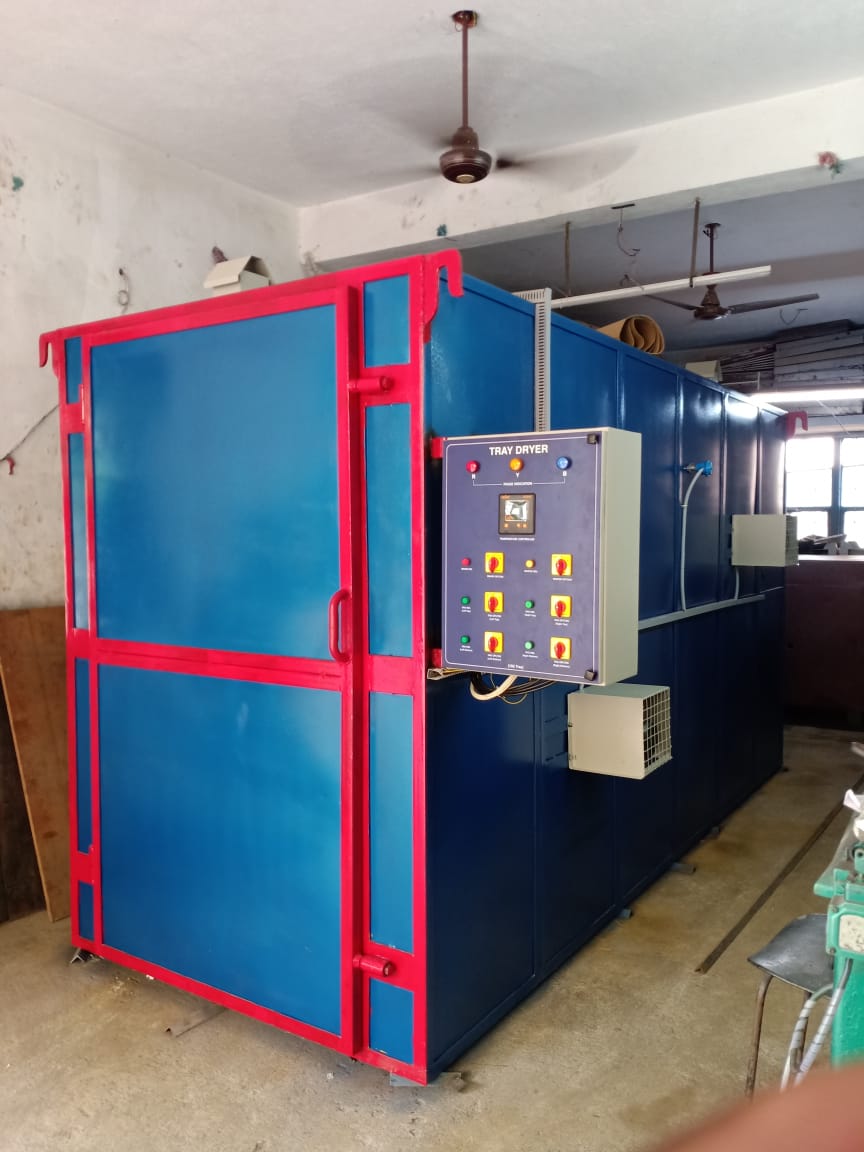
Horizontal Autoclaves – High Capacity for Industrial Sterilization
Horizontal autoclaves open from the side, providing a wide chamber that can accommodate large trays, bulk containers, and even small instruments.
- Capacity: 100 L‑300 L.
- Temperature range: 121 °C–135 °C, with some models offering 145 °C for tough loads.
- Power: 5 kW‑10 kW.
- Typical price range (2026): INR 3,50,000‑₹5,00,000.
These units are often semi‑automatic, featuring programmable cycles, data logging, and optional UV decontamination. They are the preferred choice for large‑scale pharmaceutical manufacturing, biotech facilities, and food‑processing labs.

Practical Selection Criteria – Choosing the Right Autoclave for Your Lab
When evaluating the autoclave price in India 2026: portable, vertical and horizontal options, ask yourself the following:
- Load volume and frequency: Estimate daily sterilization load (kg or number of cycles). High‑throughput labs benefit from horizontal models.
- Space constraints: Measure available floor space. Portable units need only a small footprint, while horizontal units require a larger area.
- Regulatory compliance: Pharmaceutical and medical labs must meet BIS and USP standards; research labs may have more flexibility.
- Power availability: Ensure the lab’s electrical supply can handle the autoclave’s wattage, especially for larger horizontal models.
- Future expansion: Choose a model with optional rack accessories or modular upgrades to avoid premature replacement.
In addition, request a detailed quotation that includes installation, commissioning, warranty, and a schedule for preventive maintenance.
Alternative Sterilization Technologies
While autoclaving remains the most reliable method for heat‑stable items, some labs consider alternatives:
- Dry heat ovens: Suitable for powders and metal instruments but require higher temperatures (160 °C‑180 °C) and longer cycles.
- Ethylene oxide (EtO) gas: Used for heat‑sensitive devices; however, it involves toxic gas handling and longer aeration times.
- Radiation (gamma or e‑beam): Provides terminal sterilization for disposable medical devices but demands specialized facilities.
Each alternative has its own cost structure and regulatory considerations, often making autoclaves the most cost‑effective choice for routine lab sterilization.
Maintenance, Safety and Troubleshooting
Proper upkeep extends the life of any autoclave and keeps the autoclave price in India 2026 investment worthwhile.
Routine Maintenance Checklist
- Inspect door gasket for wear and replace annually.
- Calibrate temperature and pressure sensors every 6 months.
- Flush the steam generator with distilled water to prevent scaling.
- Run a weekly Biological Indicator test to verify sterility assurance level (SAL).
Common Safety Precautions
- Never open the door while pressure is present – the interlock prevents this.
- Use heat‑resistant gloves and face shields when handling hot loads.
- Ensure proper ventilation; steam releases can increase humidity in the lab.
Troubleshooting Tips
- Low temperature readout: Check the heating element and verify water level in the boiler.
- Pressure not reaching set point: Inspect the pressure valve for blockage or leakage.
- Cycle aborts prematurely: Review error codes on the control panel; often a sensor fault.
Common Mistakes to Avoid When Purchasing
Even experienced buyers can fall into traps:
- Focusing only on price: The cheapest unit may lack essential safety certifications, leading to higher long‑term costs.
- Ignoring warranty terms: A short warranty can increase downtime expenses.
- Over‑specifying capacity: Buying a 300 L horizontal autoclave for a 20 L workload inflates both purchase price and operating costs.
- Neglecting after‑sales support: Availability of local service engineers and spare parts is critical for uninterrupted operation.
Frequently Asked Questions
What is the typical lifespan of an autoclave?
With regular preventive maintenance, stainless‑steel autoclaves can operate reliably for 10‑15 years. Critical components such as seals and sensors may need replacement every 2‑4 years.
Can I use a portable autoclave for media preparation?
Yes, provided the volume does not exceed the chamber capacity and the cycle parameters meet the media manufacturer’s sterilization recommendations.
Do horizontal autoclaves require a dedicated room?
While not mandatory, a dedicated sterilization area with proper drainage, steam supply, and ventilation simplifies workflow and complies with many regulatory guidelines.
Is SS 316 mandatory for pharmaceutical autoclaves?
SS 316 offers superior corrosion resistance, especially against aggressive cleaning agents. Many pharmacopeial standards recommend SS 316, but SS 304 is acceptable if the lab does not use harsh chemicals.
How do I verify the autoclave’s performance?
Run a Biological Indicator (e.g., Geobacillus stearothermophilus) at the end of each validation cycle. Successful spore kill confirms that the autoclave meets the required SAL of 10⁻⁶.
Final Verdict – Making an Informed Purchase
The autoclave price in India 2026: portable, vertical and horizontal landscape offers options for every budget and application. Portable units deliver mobility and lower upfront cost for small labs, vertical models strike a balance between capacity and footprint for medium‑scale operations, and horizontal autoclaves provide high‑throughput capability for industrial and large research facilities.
Before finalising a purchase, align the equipment’s capacity, material construction, control features, and certification with your specific workflow and regulatory needs. Prioritise suppliers that provide comprehensive installation, training, and a robust after‑sales network.
Ready to explore the right autoclave for your lab? Download our equipment checklist to compare models, assess total cost of ownership, and start a conversation with a trusted Indian supplier.
