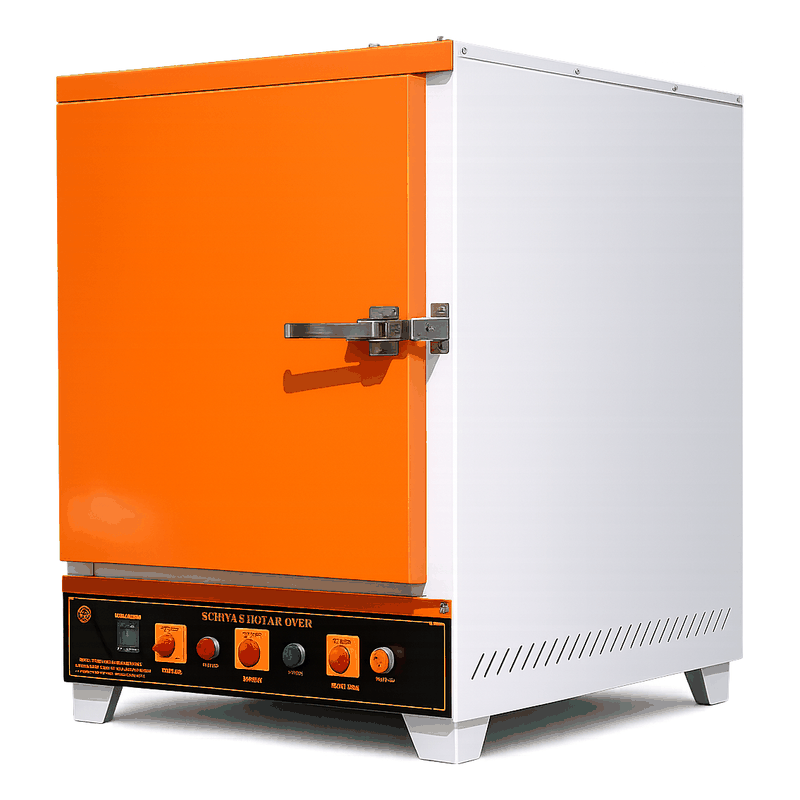
Laboratory managers and research scientists in India often ask, “How to Maintain a Hot Air Oven: 10 Tips to Extend Its Life?” A well‑kept hot air oven delivers consistent temperature, uniform airflow, and reliable performance for microbiology, polymer testing, and pharmaceutical drying. This guide explains the oven’s working principle, key components, selection criteria, and, most importantly, ten practical maintenance actions that keep the equipment running smoothly for years.
Table of Contents
- Understanding the Working Principle
- Core Components and Their Functions
- Typical Applications in Indian Laboratories
- Selection Criteria for Indian Buyers
- Comparison with Alternative Drying Technologies
- How to Maintain a Hot Air Oven: 10 Tips to Extend Its Life
- Common Mistakes to Avoid
- Frequently Asked Questions
- Final Verdict and Practical Recommendations
Understanding the Working Principle
A hot air oven uses electrically heated resistance elements to raise the temperature of a sealed chamber. A built‑in fan circulates the heated air, ensuring uniform temperature distribution. The controller (often a digital PID) monitors the set point and modulates power to maintain ±1 °C accuracy, which is essential for sterilisation, drying, and heat‑stability studies.
Core Components and Their Functions
- Heating Elements: Usually nickel‑chromium (NiCr) coils that convert electrical energy into heat.
- Air‑circulation Fan: Provides forced convection for temperature uniformity.
- Temperature Sensor: Thermocouple or RTD placed centrally for accurate feedback.
- Control Panel: Digital display with programmable timers, alarms, and safety interlocks.
- Insulation: High‑temperature ceramic or mineral wool to minimise heat loss.
Typical Applications in Indian Laboratories
Hot air ovens are indispensable in:
- Microbiology – sterilising glassware, media, and metal tools.
- Pharmaceuticals – drying APIs, testing stability, and pre‑weighing powders.
- Educational Institutions – teaching heat‑treatment techniques in chemistry and biotechnology labs.
- Industrial Quality Control – curing coatings, testing polymer shrinkage, and moisture removal.
Selection Criteria for Indian Buyers
When choosing a hot air oven, consider the following parameters:
- Temperature Range: Most models cover 50 °C – 250 °C; higher ranges are needed for ceramic or metal work.
- Capacity: Internal volume (litres) should match the size of trays or racks used daily.
- Temperature Uniformity: Look for ±1 °C across the chamber, verified by a calibration certificate.
- Control Features: Programmable timers, ramp‑up/ramp‑down, and data logging are valuable for GMP environments.
- Safety: Door interlock, over‑temperature protection, and compliant CE/IS0 certifications.
- Service Network: Availability of spare parts and local technical support in Chennai or other Indian cities.
Comparison with Alternative Drying Technologies
While hot air ovens dominate conventional drying, alternatives exist:
- Vacuum Ovens: Remove moisture at lower temperatures, ideal for heat‑sensitive samples but costlier.
- Microwave Dryers: Offer rapid drying for small batches; however, they may cause uneven heating.
- Freeze‑dryers (Lyophilizers): Preserve biological activity but are not a substitute for routine sterilisation.
For most routine laboratory and QC tasks, a hot air oven remains the most economical and reliable choice.
How to Maintain a Hot Air Oven: 10 Tips to Extend Its Life
1. Follow the Manufacturer’s Installation Guidelines
Place the oven on a level, vibration‑free surface with at least 30 cm clearance on all sides for proper ventilation. Connect the unit to a dedicated, grounded power outlet matching the voltage rating (220‑240 V in India).
2. Perform Regular Visual Inspections
Check the door gasket, fan blades, and heating elements for cracks, corrosion, or residue. Replace a damaged gasket promptly to maintain temperature stability.
3. Clean the Chamber After Every Use
Allow the oven to cool, then wipe the interior with a lint‑free cloth dampened with mild detergent. Avoid abrasive cleaners that can damage the enamel coating.
4. Schedule Quarterly Calibration
Engage a certified service provider to verify temperature accuracy against a traceable standard (e.g., ISO 9001 temperature calibration procedures). Calibration records are essential for GMP compliance.
5. Descale the Fan and Air Path
Dust accumulation reduces airflow and can cause overheating. Use a soft brush or compressed air to clean the fan housing and vent grills every 2–3 months.
6. Monitor and Replace Heating Elements
Elements develop hotspots after prolonged use. If temperature uniformity deviates beyond ±2 °C, replace the element according to the service manual.
7. Use Appropriate Loading Practices
Do not overload the chamber; allow at least 2 cm spacing between trays. Over‑crowding obstructs airflow and leads to uneven drying.
8. Keep the Control Panel Dry
Spills can damage electronic components. If liquid contacts the panel, disconnect power immediately and have a technician inspect the circuitry.
9. Implement a Preventive Maintenance Log
Document each cleaning, inspection, and service event. A log helps identify recurring issues and simplifies audit trails for regulatory inspections.
10. Train Users on Standard Operating Procedures
Ensure every lab member understands the correct start‑up, shutdown, and emergency procedures. Consistent usage reduces wear and prevents accidental damage.
Common Mistakes to Avoid
- Running the oven empty at high temperature – this stresses the heating elements unnecessarily.
- Using abrasive cleaning agents that erode the interior coating.
- Ignoring alarm messages; they often indicate door seal failure or overheating.
- Connecting the oven to an overloaded power strip, leading to voltage drops.
- Skipping regular calibration, which can cause non‑compliant test results.
Frequently Asked Questions
What is the typical lifespan of a hot air oven in a busy laboratory?
With proper maintenance, most commercial ovens last 8–12 years. Critical components such as heating elements and fans may need replacement after 5–7 years.
Can I use a hot air oven for sterilising liquids?
No. Hot air ovens are designed for dry heat sterilisation of solid items. Liquid sterilisation requires autoclaves or microwave sterilisers.
How often should I replace the door gasket?
Inspect the gasket quarterly; replace it when it shows cracks, brittleness, or loss of sealing pressure – typically every 2–3 years.
Is it safe to operate the oven at the maximum temperature continuously?
Continuous operation at the upper limit (e.g., 250 °C) accelerates wear on heating elements and insulation. Use the lowest temperature that meets your process requirements.
What documentation is required for regulatory compliance?
Maintain calibration certificates, preventive maintenance logs, SOPs, and a user training record. These documents satisfy ISO 13485 and US FDA GMP audits.
Final Verdict and Practical Recommendations
Extending the service life of a hot air oven hinges on disciplined housekeeping, scheduled calibration, and adherence to the manufacturer’s loading and safety guidelines. By implementing the ten tips outlined above, laboratory managers in Chennai, Bengaluru, and across India can minimise downtime, ensure data integrity, and protect their investment.
Ready to upgrade or replace your existing oven? Explore the range of laboratory hot air ovens offered by Sathya Scientific and benefit from local support, spare‑part availability, and expert advice tailored to Indian regulatory standards.