When a laboratory manager in Puducherry needs a new incubator, autoclave, or precision balance, time is critical. This Laboratory Equipment Supplier in Puducherry: Quick Delivery Guide walks you through the technical considerations, ordering workflow, and logistics tricks that cut lead‑time without compromising quality.
Table of Contents
- Understanding How Core Laboratory Instruments Work
- Key Types of Equipment and Their Typical Applications
- Practical Selection Criteria for Fast Procurement
- Comparing Supplier Options: Quick Delivery vs. Low Cost
- Installation, Calibration, and Routine Maintenance
- Common Mistakes to Avoid When Ordering Lab Gear
- Frequently Asked Questions
- Final Verdict and Quick‑Action Steps
Understanding How Core Laboratory Instruments Work
Most equipment you will source—whether a hot‑air oven, a laminar flow cabinet, or a high‑pressure autoclave—relies on a few fundamental principles:
- Temperature control: Sensors (thermocouples or RTDs) feed data to a PID controller that modulates heating elements or steam flow.
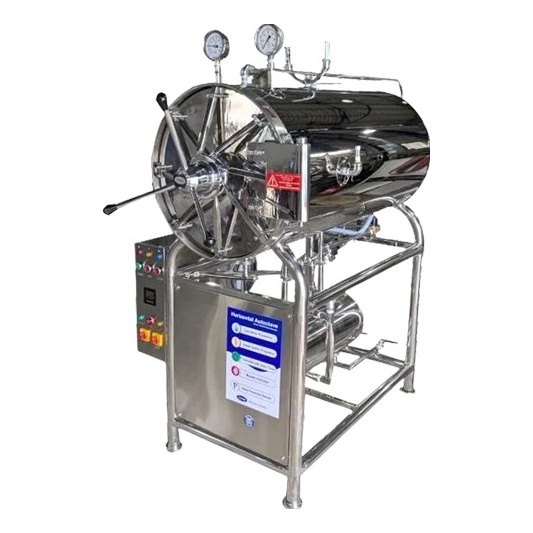
- Pressure regulation: Autoclaves and pressure ovens use pneumatic valves and safety relief devices to maintain set points between 0.1 MPa and 2 MPa.
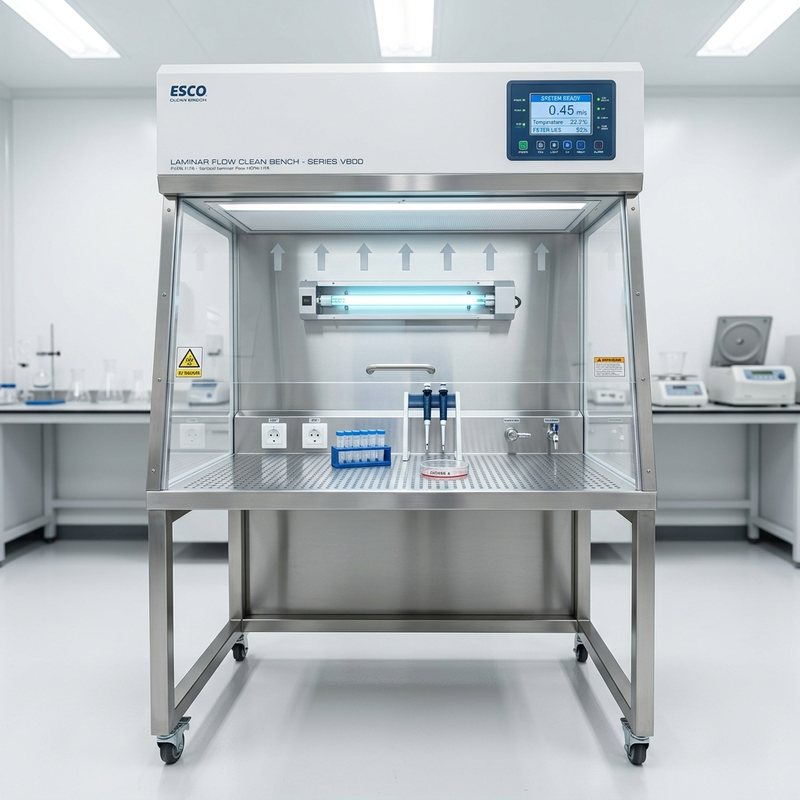
- Air filtration: Laminar flow workstations employ HEPA filters (≥99.97 % efficiency at 0.3 µm) to provide a contaminant‑free environment.
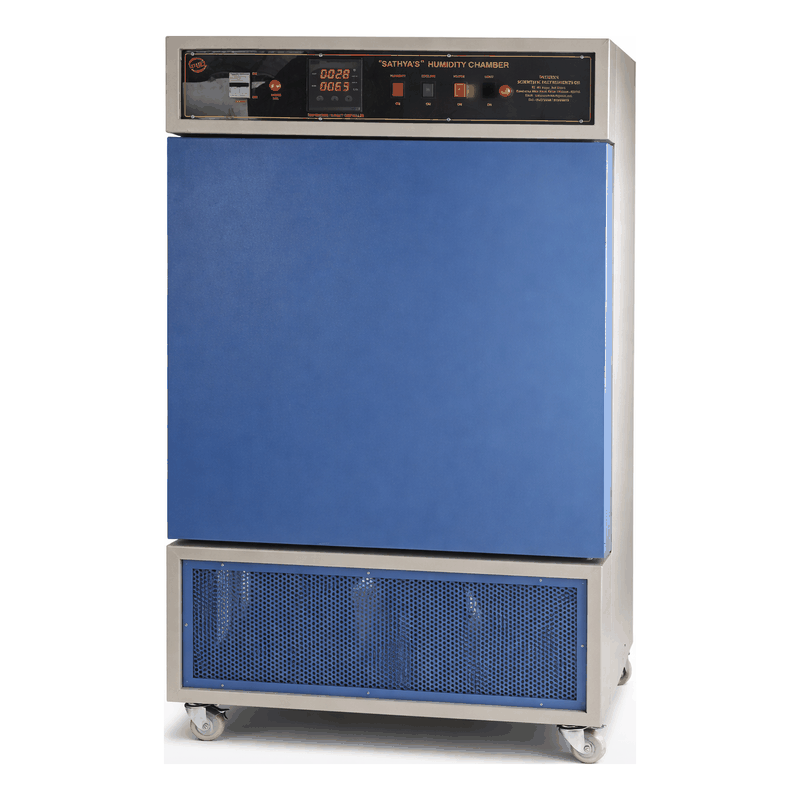
- Humidity management: Humidity chambers combine chilled coils and humidifiers to keep relative humidity within ±2 % of the target.
Knowing these basics helps you compare specifications and decide which model fits your protocol.
Key Types of Equipment and Their Typical Applications
Below is a snapshot of the most frequently requested items from a Laboratory Equipment Supplier in Puducherry: Quick Delivery Guide perspective, together with their main uses.
- Autoclaves (horizontal, vertical, radial‑locking): Sterilization of media, glassware, and surgical instruments. Essential for microbiology labs and pharmaceutical clean rooms.
- Incubators (bacteriological, BOD): Provide stable temperature (20 °C–60 °C) and CO₂ control for cell culture, biochemical oxygen demand testing, and enzyme assays.
- Hot‑air ovens & muffle furnaces: Drying, heat‑treatment, and ashing of samples up to 300 °C (oven) or 1200 °C (muffle).
- Water baths (concentric‑ring, serological): Uniform heating for enzymatic reactions, thawing, and sample incubation.
- Laminar flow cabinets: Work with aseptic techniques, tissue culture, and preparation of sterile reagents.
- Humidity chambers: Stability testing of pharmaceuticals, calibration of hygrometers, and drying of moisture‑sensitive materials.
Practical Selection Criteria for Fast Procurement
Speed of delivery often hinges on how well you define your requirements up front. Use this checklist before contacting a supplier:
- Capacity & size: Match chamber volume to your batch size. A 30 L autoclave is overkill for a small microbiology lab, while a 100 L unit suits a hospital pharmacy.
- Temperature & pressure range: Verify that the instrument covers the extremes needed for your protocols (e.g., 121 °C at 0.1 MPa for standard sterilization).
- Control interface: Touchscreen with programmable cycles reduces set‑up time; analog dials may be acceptable for simple ovens.
- Material of construction: Stainless steel (304/316) resists corrosion; PTFE‑lined interiors are preferred for aggressive chemicals.
- Safety certifications: Look for BIS, ISO 9001, or CE markings to avoid customs delays.
- Spare parts & service network: A local service hub in Puducherry or nearby Chennai shortens downtime.
Comparing Supplier Options: Quick Delivery vs. Low Cost
Some vendors offer rock‑bottom pricing but ship from overseas, adding weeks to lead time. Others keep a stocked inventory in Tamil Nadu, enabling same‑day dispatch to Puducherry. When evaluating offers, weigh:
- Inventory level: Suppliers with a regional warehouse can guarantee quick delivery within 48 hours.
- After‑sales support: Installation, calibration, and on‑site training are often bundled with local stock.
- Total cost of ownership: Include warranty, spare part availability, and energy consumption; a slightly higher upfront price may lower long‑term expenses.
Installation, Calibration, and Routine Maintenance
Fast delivery is only the first step. Proper installation ensures the instrument performs as expected:
- Place equipment on a level, vibration‑free surface with adequate clearance for ventilation.
- Connect to a dedicated electrical circuit meeting the voltage and amperage rating (e.g., 3 kW for a 1200 °C furnace).
- Run the manufacturer’s start‑up protocol and record temperature uniformity using calibrated thermocouples.
- Schedule quarterly calibration with an ISO‑17025 accredited lab to maintain traceability.
- Implement a cleaning schedule: autoclave chambers need weekly detergent cycles; laminar flow hoods require monthly filter replacement and surface disinfection.
Common Mistakes to Avoid When Ordering Lab Gear
Even seasoned procurement managers can slip up. Here are pitfalls that delay projects:
- Over‑specifying: Ordering a 200 L autoclave for a 10 L workload inflates cost and space requirements.
- Ignoring local regulations: Certain high‑temperature furnaces need fire‑rating certificates; missing these can halt installation.
- Skipping compatibility checks: Ensure that your existing power supply matches the equipment’s plug type and frequency (50 Hz vs. 60 Hz).
- Not requesting documentation: Operation manuals, safety data sheets, and warranty cards should accompany the shipment.
- Delaying service contracts: Post‑sale support is crucial for rapid troubleshooting; arrange it before the equipment arrives.
Frequently Asked Questions
How fast can a local supplier deliver an autoclave to Puducherry?
Suppliers maintaining a regional stock in Chennai or Pondicherry can dispatch a standard 30 L horizontal autoclave within 24–48 hours, provided the purchase order is confirmed and payment cleared.
Do I need a separate power backup for high‑temperature furnaces?
Yes. Furnaces drawing more than 5 kW benefit from an uninterrupted power supply (UPS) or a dedicated generator to prevent temperature excursions during power cuts, which could affect sample integrity.
What certifications should I verify before buying?
Look for BIS (Bureau of Indian Standards) certification and ISO 9001 quality management. For medical‑grade sterilizers, ISO 13485 is also relevant. See the official BIS certification guidelines for details.
Can I get a demo before finalizing the purchase?
Reputable local suppliers often arrange on‑site demonstrations or provide video walkthroughs. Request a demo to verify user‑interface ergonomics and safety interlocks.
Is it cheaper to buy used equipment?
Used instruments can reduce capital outlay, but they may lack current safety certifications, have limited warranty, and require more frequent maintenance. Factor in refurbishment costs and potential downtime.
Final Verdict and Quick‑Action Steps
Choosing the right Laboratory Equipment Supplier in Puducherry: Quick Delivery Guide hinges on aligning your technical needs with a vendor’s inventory readiness, certification compliance, and after‑sales framework. Start by drafting a concise specification sheet, verify BIS or ISO markings, and confirm that the supplier can ship from a nearby warehouse.
Ready to accelerate your lab’s setup? Explore our autoclave range and request a same‑day quotation today.