
Laboratory managers and procurement teams often wonder which thermal processing unit best fits their workflow. In this article we compare the Vacuum Oven vs Hot Air Oven: Differences and Applications so you can decide whether a vacuum‑controlled environment or a conventional hot‑air chamber meets your scientific, pharmaceutical, or industrial needs.
Table of Contents
- How Each Oven Works – Core Principles
- Key Components and Their Functions
- Typical Applications – When to Choose Which Oven
- Selection Criteria – What to Ask Before Buying
- Comparing the Two – Core Differences at a Glance
- Installation, Calibration, and Routine Maintenance
- Common Mistakes to Avoid
- Frequently Asked Questions
- Final Verdict – Which Oven Is Right for Your Lab?
How Each Oven Works – Core Principles
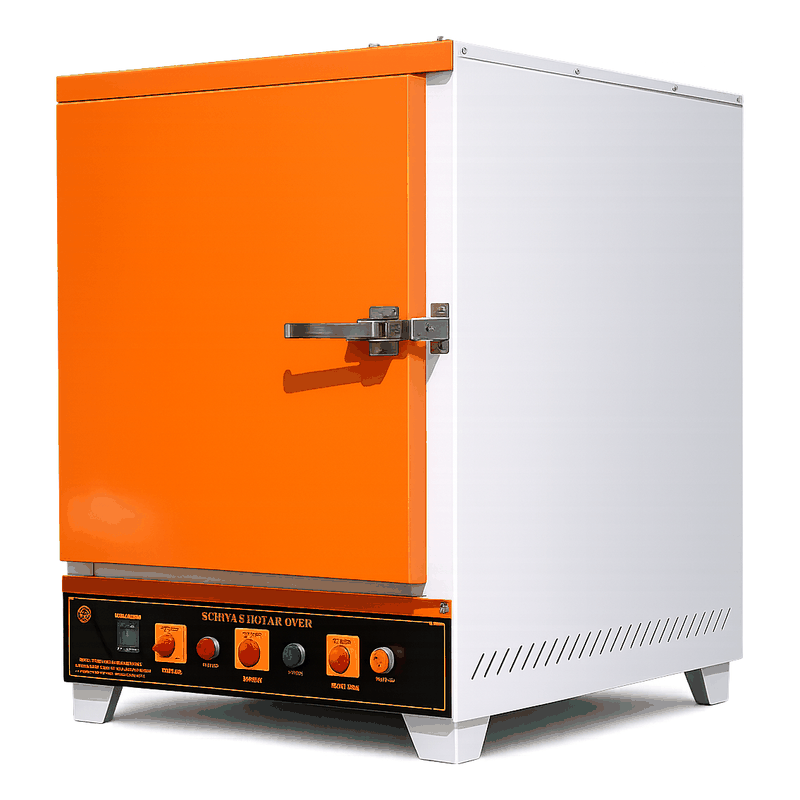
A hot air oven relies on forced convection. An internal fan circulates heated air generated by electric heating elements, providing uniform temperature throughout the chamber. Temperature is monitored by a thermocouple and controlled via a PID controller.
A vacuum oven adds a sealed chamber and a vacuum pump. By reducing the internal pressure (typically 10‑3 to 10‑5 mbar), the boiling point of liquids drops, allowing drying or curing at lower temperatures. Heat is still supplied by electric elements, but the vacuum system removes moisture and volatile compounds more efficiently.
Key Components and Their Functions
- Heating elements: Usually stainless‑steel or nichrome coils; in vacuum ovens they may be placed in a separate jacket to avoid direct contact with the vacuum.
- Air circulation fan: Present only in hot‑air ovens for even temperature distribution.
- Vacuum pump: Rotary‑vane or scroll pump creates low pressure; essential for vacuum ovens.
- Temperature sensor & controller: Thermocouple or RTD linked to a digital PID controller for ±0.5 °C accuracy.
- Chamber material: Typically 316 L stainless steel for corrosion resistance; vacuum ovens often have a double‑walled construction to improve insulation.
- Safety interlocks: Door switches, over‑temperature cut‑offs, and vacuum‑break alarms are standard on both types.
Typical Applications – When to Choose Which Oven
Vacuum Oven Applications
- Drying heat‑sensitive pharmaceuticals where low‑temperature dehydration is critical.
- Removal of solvents from polymer samples, nanomaterials, or catalyst precursors.
- Pre‑curing of composite laminates that require out‑gassing of volatiles.
- Stability testing of APIs under controlled humidity and pressure (e.g., ICH Q1A(R2)).
Hot Air Oven Applications
- Standard microbiological sterilization of glassware and metal instruments.
- Thermal curing of epoxy resins, paints, and adhesives at moderate temperatures.
- Heat‑treatment of metal parts for stress‑relief or annealing.
- Routine drying of laboratory glassware, filters, and solid samples.
Selection Criteria – What to Ask Before Buying
- Temperature range: Hot air ovens typically 50 °C–250 °C; vacuum ovens may operate from –80 °C up to 200 °C depending on pump capacity.
- Capacity and chamber size: Choose based on sample volume; larger chambers increase cost and power consumption.
- Vacuum level required: For solvent removal, a deeper vacuum (10‑5 mbar) yields faster drying.
- Control interface: Touchscreen vs. analog knobs; programmable recipes are valuable for repeatability.
- Safety features: Over‑temperature protection, door interlocks, and vacuum‑break alarms are non‑negotiable.
- Regulatory compliance: Ensure the unit meets ISO 13485 for medical‑device related labs or USP for compounding pharmacies.
Comparing the Two – Core Differences at a Glance
| Feature | Vacuum Oven | Hot Air Oven |
|---|---|---|
| Atmosphere | Reduced pressure (vacuum) | Ambient air (forced convection) |
| Typical Temperature Range | –80 °C to 200 °C | 50 °C to 250 °C |
| Drying Speed | Faster for low‑boiling solvents | Slower, limited by evaporation rate |
| Energy Consumption | Higher due to pump operation | Lower, only heating elements and fan |
| Initial Cost | ₹5–8 lakhs (Indian market) | ₹2–4 lakhs |
| Maintenance | Pump oil change, seal inspection | Fan cleaning, element replacement |
Installation, Calibration, and Routine Maintenance
Both ovens require a stable, level floor and a dedicated 3‑phase power supply (typically 400 V). Calibration should be performed annually using a certified reference thermometer traceable to NIST. For vacuum ovens, verify pump performance with a vacuum gauge and replace oil according to the manufacturer’s schedule.
Cleaning the chamber with lint‑free wipes and a mild detergent prevents cross‑contamination. In hot‑air ovens, the fan blades should be inspected quarterly for dust buildup; in vacuum ovens, check for leaks using a helium leak detector if the vacuum level degrades.
Common Mistakes to Avoid
- Running a vacuum oven with the door partially open – this defeats the pressure reduction and can damage the pump.
- Setting temperatures above the rated limit for the chamber material – stainless steel can oxidize, compromising sterility.
- Neglecting to pre‑heat the chamber in hot‑air ovens, leading to uneven drying.
- Using incompatible solvents that can polymerize under vacuum, causing residue buildup.
Frequently Asked Questions
Can a hot air oven be converted to a vacuum oven?
Some manufacturers offer retrofit kits that add a vacuum pump and sealed door, but the cost often approaches buying a dedicated vacuum oven. Verify that the heating elements and chamber can handle the pressure differential before retrofitting.
Which oven provides better temperature uniformity?
Both designs can achieve ±0.5 °C uniformity when equipped with a PID controller. However, vacuum ovens may exhibit slight gradients due to reduced convection; using a circulating tray or rotating platform mitigates this.
Is a vacuum oven necessary for pharmaceutical stability studies?
For moisture‑sensitive APIs, a vacuum oven is recommended to achieve low relative humidity without raising temperature. Regulatory guidance (e.g., ICH Q1A) allows both methods, but vacuum drying offers faster equilibration.
What safety certifications should I look for in India?
Look for IS 3025 (electrical safety for laboratory equipment) and CE marking for EU compliance. For pharma labs, ISO 13485 certification of the supplier is advantageous.
How does the cost of ownership compare?
While hot‑air ovens have lower upfront costs, vacuum ovens incur higher electricity usage and periodic pump maintenance. Conduct a total‑cost‑of‑ownership analysis over a 5‑year period to decide.
Final Verdict – Which Oven Is Right for Your Lab?
If your primary need is rapid drying of solvent‑laden or heat‑sensitive samples, the Vacuum Oven vs Hot Air Oven: Differences and Applications clearly favor a vacuum oven. For routine sterilization, polymer curing, or bulk drying where temperature control is the only requirement, a hot‑air oven remains the cost‑effective choice.
Consider the sample type, required temperature, and budget constraints. Verify that the supplier provides installation, calibration, and after‑sales support—critical factors for uninterrupted laboratory operation.
Ready to explore specific models? Check out our Laboratory Hot Air Oven offering, which includes optional vacuum kits for labs that may need both capabilities.
For detailed standards on vacuum oven performance, refer to the ASTM E1085 test method: ASTM E1085 – Standard Test Method for Vacuum Ovens.

