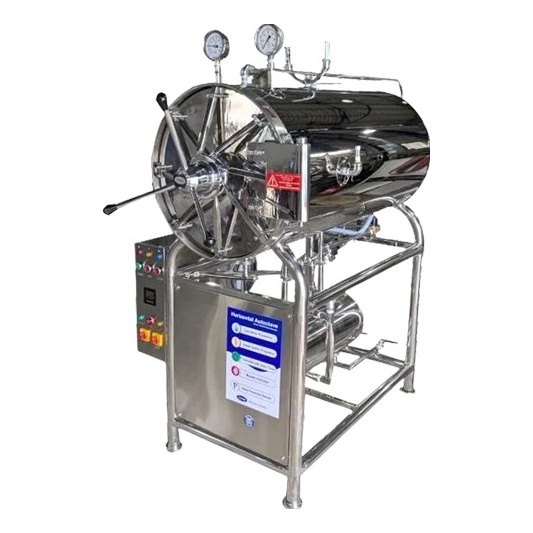
When a laboratory manager or procurement specialist in Chennai looks for a reliable source of high‑temperature equipment, the phrase “laboratory furnace suppliers in Chennai” often appears at the top of the search results. Understanding what differentiates a competent supplier from a generic vendor can save time, reduce risk, and ensure that the furnace meets Indian regulatory requirements as well as the specific needs of pharmaceutical, academic, or industrial labs.
Table of Contents
- How a Laboratory Furnace Works – Core Principles
- Why choose laboratory furnace suppliers in Chennai?
- Key Factors When Evaluating laboratory furnace suppliers in Chennai
- Comparing Laboratory Furnaces with Alternative Heating Technologies
- Installation, Calibration, and Routine Maintenance
- Common Mistakes to Avoid When Purchasing a Laboratory Furnace
- Frequently Asked Questions
- Final Verdict and Practical Recommendations
How a Laboratory Furnace Works – Core Principles
A laboratory furnace is essentially an insulated chamber that generates and maintains a controlled temperature for processes such as annealing, sintering, calcination, and thermal degradation. Most modern furnaces use electric resistance heating elements—typically nickel‑chromium (NiCr) or molybdenum disilicide (MoSi₂)—arranged in a tube or cartridge configuration. The elements heat the interior air, which is circulated by a fan or natural convection, providing uniform temperature distribution.
Key components include:
- Heating chamber: Constructed from high‑grade stainless steel (often 304 or 316L) or ceramic liners to resist oxidation at temperatures up to 1200 °C.
- Temperature controller: PID (Proportional‑Integral‑Derivative) controllers with digital displays allow set‑point accuracy of ±0.5 °C.
- Insulation: High‑temperature mineral wool or ceramic fiber reduces heat loss and improves energy efficiency.
- Safety interlocks: Door switches, over‑temperature cut‑offs, and emergency stop buttons comply with IS 3025 and IEC 60204 standards.
Why choose laboratory furnace suppliers in Chennai?
Local suppliers bring several advantages that are hard to replicate by distant distributors. First, they understand the climatic conditions of Tamil Nadu—high humidity and occasional power fluctuations—and can recommend furnaces with appropriate thermal shielding and robust power conditioning. Second, a Chennai‑based supplier can provide on‑site installation, calibration, and faster spare‑part logistics, which is crucial for labs that cannot afford extended downtime.
Typical Applications in the Region
Laboratory furnaces are employed across a spectrum of activities:
- Pharmaceutical stability testing and impurity profiling.
- Materials research in universities, such as ceramic synthesis and metallurgical studies.
- Quality‑control heat‑treatment for automotive components manufactured in the nearby industrial corridors.
- Environmental labs performing ash‑content analysis of soil and waste samples.
Key Factors When Evaluating laboratory furnace suppliers in Chennai
Choosing the right partner involves more than comparing price tags. Consider the following criteria:
- Technical catalog depth: Does the supplier offer muffle furnaces, tube furnaces, and programmable multi‑zone units?
- Compliance documentation: Look for ISO 9001 certification, BIS conformity certificates, and CE marking where applicable.
- After‑sales service: Availability of trained service engineers, warranty length (typically 12‑24 months), and a stocked inventory of critical parts like heating elements and thermocouples.
- Customization capability: Ability to modify chamber size, add inert gas ports, or integrate PLC control for automated workflows.
- Reference projects: Suppliers who can share case studies from other Chennai labs demonstrate proven performance.
For a deeper look at furnace specifications, you may read the comprehensive guide on muffle furnace manufacturers in India.
Comparing Laboratory Furnaces with Alternative Heating Technologies
While a laboratory furnace is the workhorse for high‑temperature batch processes, other equipment may be more suitable for specific tasks:
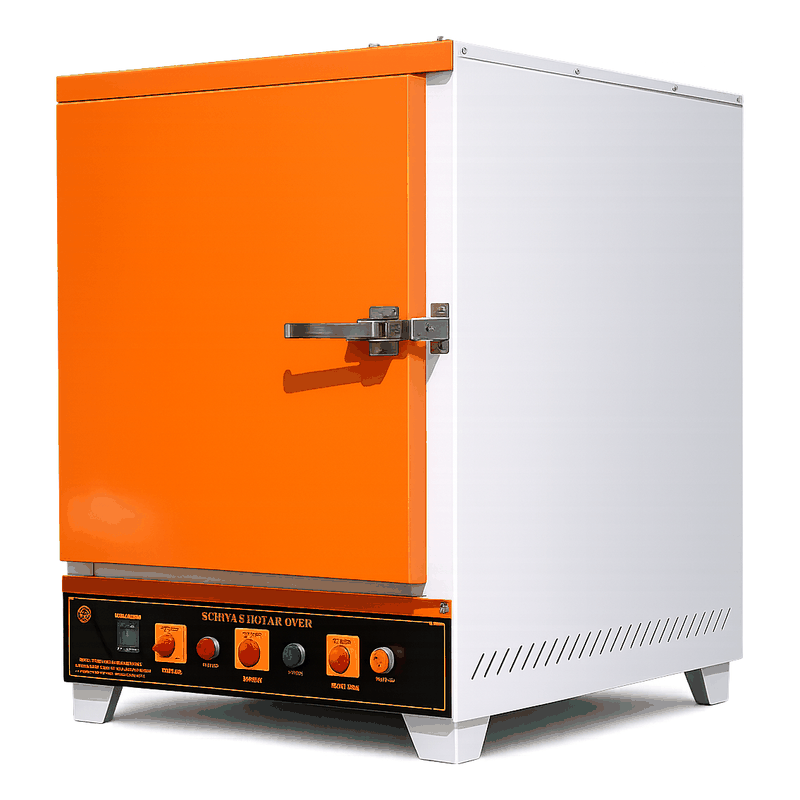
- Hot‑air ovens: Ideal for temperatures up to 250 °C and for drying or sterilization where uniform airflow is essential.
- Microwave reactors: Offer rapid heating for organic synthesis but lack the precise temperature control of a conventional furnace.
- Induction furnaces: Provide rapid heating of conductive metals but are limited to smaller sample volumes and require specialized power supplies.
Understanding these alternatives helps procurement teams avoid over‑specifying a furnace when a simpler device would suffice, thereby optimizing capital expenditure.
Installation, Calibration, and Routine Maintenance
Proper installation sets the foundation for reliable performance. A qualified supplier should:
- Verify that the electrical supply matches the furnace rating (typically 3‑phase, 415 V, 50 Hz in India).
- Position the unit on a vibration‑free, heat‑resistant platform with adequate clearance for airflow.
- Connect grounding and earth leakage protection as per IS 3043.
Calibration is usually performed with a certified thermocouple reference thermometer. Annual recalibration ensures that the PID controller maintains the stated ±0.5 °C accuracy.
Routine maintenance tasks include:
- Inspecting heating elements for discoloration or breakage.
- Cleaning the chamber to remove residue that can affect heat transfer.
- Checking door seals for wear and replacing silicone gaskets as needed.
- Verifying that safety interlocks engage correctly.
Common Mistakes to Avoid When Purchasing a Laboratory Furnace
Even experienced buyers can fall into traps:
- Focusing solely on price: Low‑cost units may lack essential safety interlocks or have inferior insulation, leading to higher operating costs.
- Neglecting local power quality: Without voltage stabilizers, frequent brown‑outs can damage heating elements.
- Overlooking documentation: Missing calibration certificates or user manuals can cause compliance issues during audits.
- Assuming one‑size‑fits‑all: Selecting a furnace with a larger chamber than needed increases heat‑up time and energy consumption.
Frequently Asked Questions
What temperature range can typical laboratory furnaces achieve?
Standard muffle furnaces in India cover 100 °C to 1200 °C, while high‑temperature models with MoSi₂ elements can reach up to 1500 °C.
Are laboratory furnaces covered under any Indian standards?
Yes. The Bureau of Indian Standards (BIS) publishes IS 3025 for safety of electrical equipment and IS 1336 for high‑temperature testing apparatus, which most reputable suppliers adhere to.
How long does installation usually take?
For a standard bench‑top muffle furnace, on‑site installation and commissioning typically require 1‑2 days, provided the electrical infrastructure is ready.
Can I integrate the furnace with a laboratory information management system (LIMS)?
Many modern furnaces offer RS‑232 or Ethernet interfaces that allow data logging and remote set‑point control, facilitating LIMS integration.
What warranty terms are common in Chennai?
Suppliers generally offer a 12‑month comprehensive warranty covering parts and labor, with optional extensions up to three years.
Final Verdict and Practical Recommendations
For laboratories in Chennai seeking dependable high‑temperature capability, selecting a supplier with local presence, robust after‑sales support, and proven compliance with Indian standards is essential. Evaluate the technical specifications against your application—temperature range, chamber size, and control features—and verify that the vendor can provide timely calibration and spare‑part services.
By focusing on these criteria, procurement teams can avoid common pitfalls and ensure that the furnace contributes to reliable, reproducible results across pharmaceutical, academic, and industrial settings.
Ready to explore the range of laboratory furnaces available from a trusted Chennai supplier? Visit our detailed product guide to compare models, request a quotation, and discuss customization options.