When a laboratory manager or procurement officer asks about muffle furnace price in India, the answer is never a single number. The cost depends on capacity, temperature range, control precision, safety features, and after‑sales support. This guide walks you through the technical fundamentals, application areas, and practical considerations that shape the price, helping you make an informed decision for your facility.
Table of Contents
- Understanding muffle furnace price in India: What drives the cost
- How to evaluate muffle furnace price in India for your lab
- Practical selection criteria for procurement teams
- Alternative technologies and when they make sense
- Installation, calibration, and routine maintenance
- Common mistakes to avoid when budgeting for a furnace
- Frequently Asked Questions
- Final verdict and next steps
Understanding muffle furnace price in India: What drives the cost
A muffle furnace is a closed‑circuit heating chamber that isolates the sample from direct flame or combustion gases. The key cost drivers include:
- Temperature capability – Standard models reach 1100 °C, while high‑temperature units go up to 1800 °C or more. Higher limits require premium heating elements (e.g., molybdenum disilicide) and advanced insulation.
- Chamber size and capacity – From compact 2 L benchtop units to large 30 L floor‑standing furnaces. Larger chambers need thicker refractory linings and stronger frames.
- Control system – Analog knobs are inexpensive; digital PID controllers with programmable ramps, alarms, and remote monitoring add to the price.
- Construction materials – Stainless‑steel exteriors, high‑grade ceramic linings, and corrosion‑resistant seals increase durability and cost.
- Safety and certification – Compliance with Bureau of Indian Standards (BIS) and inclusion of interlocks, over‑temperature protection, and exhaust systems are essential for lab safety and influence pricing.
- After‑sales service – Warranty length, availability of spare parts, calibration support, and on‑site installation affect the total ownership cost.
How to evaluate muffle furnace price in India for your lab
Before comparing quotations, map the furnace specifications to your actual workload:
- Temperature profile – Do you need a simple soak at 900 °C or a programmable ramp‑hold‑cool cycle for material testing?
- Sample volume – Estimate the number and size of crucibles per run. Over‑specifying capacity leads to unnecessary expense.
- Accuracy and repeatability – Research and pharmaceutical applications often demand ±2 °C stability; lower‑grade units may only guarantee ±5 °C.
- Power consumption – High‑temperature furnaces draw significant electricity; factor in operating cost alongside purchase price.
- Space constraints – Benchtop models suit small teaching labs, while industrial QC labs may need floor‑standing units with ventilation.
Key components and their functions
A typical muffle furnace consists of:
- Heating elements – Usually nickel‑chromium (NiCr) for up to 1100 °C; higher ranges use molybdenum disilicide or silicon carbide.
- Insulation – High‑temperature ceramic fiber or firebrick lining minimizes heat loss and protects the outer shell.
- Temperature sensor – Thermocouples (type K or type S) feed data to the controller for precise regulation.
- Control unit – Analog or digital; modern units provide programmable curves, data logging, and network connectivity.
- Safety interlocks – Door switches, over‑temperature cut‑offs, and exhaust fans ensure operator protection.
Typical applications in Indian laboratories
Muffle furnaces are indispensable across sectors:
- Thermal analysis of ceramics and metals in material research.
- Calcination of pharmaceutical intermediates and sterilisation of glassware.
- Oxidation studies for environmental testing labs.
- Annealing of semiconductor wafers in electronics R&D.
- Educational demonstrations of high‑temperature reactions in university labs.
Practical selection criteria for procurement teams
When you request quotes, ask suppliers to provide a detailed quotation that includes:
- Exact temperature range and uniformity specifications.
- Chamber dimensions and usable volume.
- Control interface details (touchscreen, PC software, remote I/O).
- Energy consumption (kW) at typical set points.
- Warranty period, service contract options, and lead time for delivery.
- Compliance certificates (BIS, ISO 9001) and calibration reports.
Comparing these data points side‑by‑side helps you isolate the true value proposition behind each price tag.
Alternative technologies and when they make sense
While a muffle furnace is the go‑to for high‑temperature dry heat, consider these alternatives if your process permits:
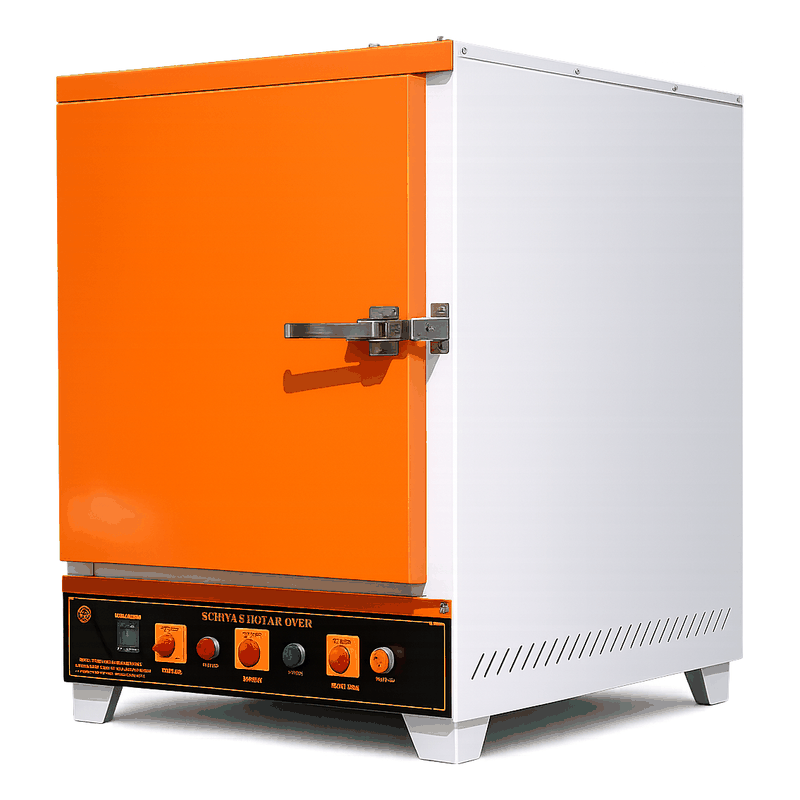
- Laboratory hot‑air ovens – Ideal for temperatures up to 300 °C; lower cost but insufficient for calcination.
- Tube furnaces – Provide a flowing gas environment for oxidation or reduction; useful when a controlled atmosphere is required.
- Microwave-assisted furnaces – Offer rapid heating for specific materials, though they are niche and generally pricier.
If you need an inert or reducing atmosphere, a tube furnace may replace a muffle furnace, potentially reducing the overall muffle furnace price in India impact by avoiding over‑specification.
Installation, calibration, and routine maintenance
Proper installation ensures both safety and longevity:
- Place the furnace on a level, heat‑resistant floor away from flammable materials.
- Connect to a dedicated circuit with appropriate breaker rating.
- Verify ventilation: many models require an exhaust hood to remove fumes.
Calibration should be performed annually using a certified reference thermocouple. Record the calibration curve and keep it with the equipment log.
Routine maintenance tasks include:
- Cleaning the chamber interior with a soft brush; avoid abrasive cleaners that damage the refractory lining.
- Inspecting door seals and interlock switches for wear.
- Checking heating elements for discoloration or hot spots.
- Verifying that the temperature sensor is securely mounted and free of corrosion.
Common mistakes to avoid when budgeting for a furnace
Even experienced managers can overlook critical factors:
- Focusing solely on purchase price – Ignoring operating costs (electricity, consumables) can make a seemingly cheap unit expensive over time.
- Undersizing the chamber – Leads to frequent batch interruptions and the need for a second furnace.
- Neglecting safety accessories – Missing interlocks or exhaust fans can result in regulatory non‑compliance and costly retrofits.
- Skipping warranty and service terms – A lower upfront price may lack a comprehensive warranty, increasing downtime risk.
Frequently Asked Questions
What is the typical price range for a 10 L muffle furnace in India?
For a standard 10 L benchtop model with a temperature ceiling of 1100 °C and digital PID control, prices usually fall between INR 1.2 lakhs and INR 2.5 lakhs, depending on brand, accessories, and service packages.
Do I need a separate exhaust system?
If you plan to heat volatile or toxic samples, an external exhaust or fume hood is mandatory. Some manufacturers ship furnaces with built‑in exhaust fans; verify this in the specification sheet.
How long does installation take?
Professional installation, including electrical connection, ventilation setup, and initial calibration, typically requires 1–2 days for a floor‑standing unit and half a day for a benchtop model.
Can I use a muffle furnace for sterilising glassware?
Yes, provided the furnace reaches at least 550 °C and maintains uniform temperature. However, a dedicated glassware steriliser may offer faster cycles and lower energy consumption for high‑throughput labs.
Is there a benefit to choosing a locally manufactured furnace?
Local manufacturers often provide faster spare‑part delivery, on‑site service, and compliance with Indian standards, which can reduce total cost of ownership.
Final verdict and next steps
Assessing muffle furnace price in India requires a balance between technical specifications, safety compliance, and lifecycle costs. By matching the furnace’s temperature range, capacity, and control features to your specific applications, you avoid over‑paying for unnecessary capabilities while ensuring reliable performance.
For a curated selection of models that meet Indian laboratory standards, explore the furnace offerings from Sathya Scientific. Their catalog includes detailed data sheets, warranty information, and after‑sales support, helping you move from quotation to installation with confidence.