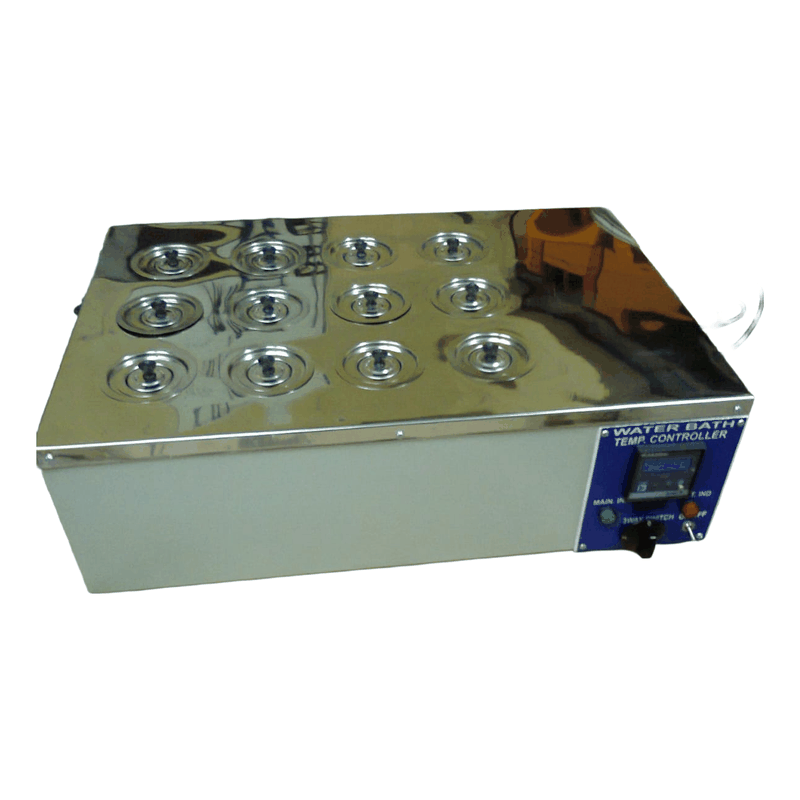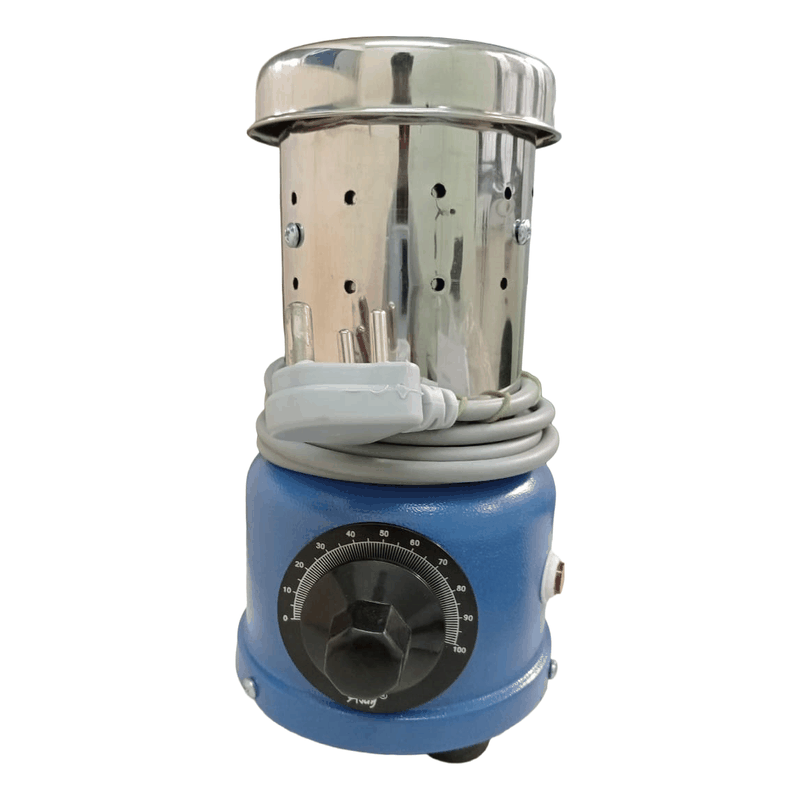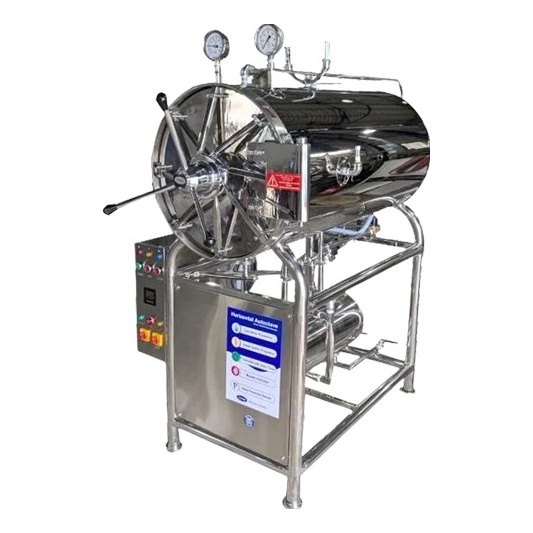
When you search for laboratory water bath suppliers in Chennai, you are looking for reliable partners who can provide temperature‑controlled immersion equipment that meets the stringent demands of pharmaceutical labs, research institutes, and quality‑control units. In this guide we break down how water baths work, the key specifications to watch, and what to ask before signing a purchase order with a Chennai‑based vendor.
Table of Contents
- How a Laboratory Water Bath Operates – Core Principles
- Key Considerations When Choosing laboratory water bath suppliers in Chennai
- Top Features to Compare Among laboratory water bath suppliers in Chennai
- Applications in Chennai‑Based Laboratories
- How to Select the Right Water Bath for Your Facility
- Alternative Technologies – When a Water Bath May Not Be Ideal
- Installation, Calibration, and Routine Maintenance
- Common Mistakes to Avoid
- Frequently Asked Questions
- Final Verdict and Recommendations
How a Laboratory Water Bath Operates – Core Principles
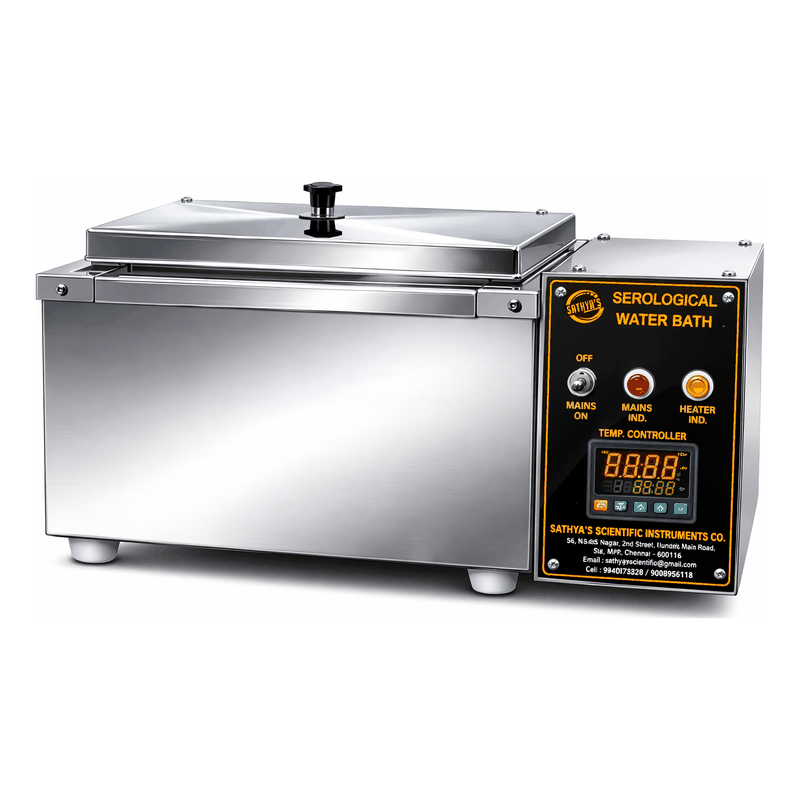
A laboratory water bath maintains a homogeneous liquid medium at a set temperature, allowing samples such as test tubes, flasks, or plates to be immersed for heating, cooling, or incubation. The basic components include:
- Heating element: Usually a stainless‑steel coil or cartridge that converts electrical energy into heat.
- Thermostat & controller: Digital or analog PID controllers regulate the temperature with an accuracy of ±0.1 °C to ±0.5 °C.
- Tank body: Made from corrosion‑resistant stainless steel (often 316L) or high‑grade polymer for chemical compatibility.
- Circulation system: A pump or magnetic stirrer ensures uniform temperature throughout the bath.
- Safety features: Over‑temperature cut‑off, low‑water alarms, and insulated lids to prevent accidental burns.
The water bath can be operated in two modes: static (no circulation) for gentle warming, or dynamic (with circulation) for rapid temperature equilibration and uniformity—critical for reproducible assay results.
Key Considerations When Choosing laboratory water bath suppliers in Chennai
Not all vendors offer the same level of service or product quality. Here are the practical criteria that laboratory managers should evaluate:
- Temperature range and stability: Typical ranges are 4 °C – 99 °C. For microbiology work, a low‑temperature capability (down to 4 °C) is essential, while analytical chemistry may require higher limits up to 150 °C.
- Capacity: From compact 0.5 L units for bench‑top use to large 30 L baths for high‑throughput processing. Choose based on the volume of samples per run.
- Control interface: Touch‑screen PID controllers with programmable ramps and hold steps simplify method development.
- Construction material: 316L stainless steel offers superior resistance to acids and solvents; polymer tanks are lighter but may limit chemical exposure.
- Certification & compliance: Verify that the equipment meets BIS guidelines for safety and performance, and that the supplier can provide calibration certificates.
- After‑sales support: Local service engineers, availability of spare parts, and warranty terms (typically 12–24 months) are decisive factors in Chennai’s fast‑moving market.
- Delivery & installation: Look for suppliers who handle site preparation, electrical compliance, and on‑site training.
Top Features to Compare Among laboratory water bath suppliers in Chennai
Below is a quick reference table that highlights the most requested specifications. While the exact numbers vary by model, the categories remain consistent across vendors.
| Feature | Typical Value |
|---|---|
| Temperature accuracy | ±0.1 °C (high‑end) / ±0.5 °C (standard) |
| Uniformity | ±0.2 °C across tank (with circulation) |
| Power consumption | 0.5 kW – 2 kW depending on capacity |
| Safety alarms | Low‑water, over‑temperature, lid‑open |
| Control options | Digital PID, programmable ramps, remote RS‑232/USB |
Applications in Chennai‑Based Laboratories
Water baths are indispensable in several workflows:
- Pharmaceutical stability testing: Maintaining samples at 37 °C or 45 °C for accelerated degradation studies.
- Microbiology incubation: Growing bacterial cultures at 30 °C – 42 °C.
- Enzyme assays: Precise temperature control for kinetic measurements.
- Sample preparation: Thawing reagents, dissolving solids, or pre‑heating solvents.
- Educational labs: Demonstrating heat transfer concepts to students.
How to Select the Right Water Bath for Your Facility
Follow this step‑by‑step checklist before finalising a purchase:
- Define the primary use: Is the bath mainly for low‑temperature incubation or high‑temperature digestion?
- Calculate required capacity: Estimate the total volume of samples per batch and add a 20 % safety margin.
- Match temperature accuracy to method specifications: Regulatory assays often demand ±0.1 °C.
- Assess the laboratory environment: For humid coastal conditions in Chennai, stainless‑steel tanks with proper drainage are preferable.
- Request a quotation that includes installation, calibration, and a spare‑parts kit.
- Verify service network: Confirm that the supplier has a local technician who can respond within 48 hours.
Alternative Technologies – When a Water Bath May Not Be Ideal
While water baths are versatile, some applications benefit from other temperature‑control devices:
- Dry heat ovens: For processes requiring temperatures above 120 °C without moisture.
- Refrigerated circulators: Provide precise cooling for sample preparation, especially when water bath temperature stability at low ranges is insufficient.
- Microwave reactors: Offer rapid heating for synthesis but lack the uniformity of a water bath.
Choosing an alternative depends on the thermal profile, sample size, and chemical compatibility required by your protocol.
Installation, Calibration, and Routine Maintenance
Proper setup extends the life of the instrument and ensures data integrity:
- Installation: Position the bath on a level, vibration‑free surface near a grounded power outlet (220 V, 50 Hz). Allow at least 10 cm clearance around the tank for airflow.
- Calibration: Perform an initial calibration using a calibrated reference thermometer. Document the deviation and adjust the PID set‑point if needed. Re‑calibrate annually or after major service.
- Cleaning: Drain the water, rinse with de‑ionised water, and wipe the interior with a mild detergent. Avoid abrasive pads that could damage the tank coating.
- Troubleshooting tips: If temperature fluctuations exceed ±0.5 °C, check the water level, clean the heating element, and verify that the circulation pump is operating.
Common Mistakes to Avoid
Even experienced lab managers can fall into pitfalls:
- Using tap water without filtration – mineral deposits can insulate the heating element.
- Neglecting the low‑water alarm – running a dry bath damages the heater.
- Skipping the annual calibration – regulatory audits often flag undocumented temperature drift.
- Choosing a bath with insufficient capacity – leads to frequent over‑fills and inconsistent heating.
Frequently Asked Questions
What is the typical warranty period for water baths supplied in Chennai?
Most reputable suppliers offer a 12‑month warranty covering parts and labor, with the option to extend to 24 months for an additional fee.
Can I use a water bath for organic solvents?
Only if the tank is rated for chemical resistance (e.g., 316L stainless steel) and the solvent does not exceed the bath’s temperature limit. Always consult the manufacturer’s chemical compatibility chart.
How often should the water be changed?
For microbiology work, replace the water weekly to prevent contamination. In analytical labs, a bi‑weekly change is usually sufficient, provided a biocide is added.
Is a digital PID controller better than an analog one?
Digital PID controllers provide finer temperature resolution, programmable ramps, and data logging, which are valuable for method validation and regulatory compliance.
Do suppliers in Chennai provide on‑site training?
Many do, especially for larger contracts. Ask the vendor to include a training session in the quotation.
Final Verdict and Recommendations
Choosing the right laboratory water bath suppliers in Chennai hinges on aligning equipment specifications with your lab’s workflow, ensuring compliance with Indian standards, and verifying that the vendor can deliver prompt after‑sales support. Prioritise temperature accuracy, tank material, and service network over price alone.
For a curated list of vetted manufacturers and a deeper dive into model comparisons, explore the detailed guide on laboratory water bath manufacturers in India. Our team can help you match the ideal water bath to your application and arrange a local demonstration in Chennai.