When you are sourcing a laminar air flow cabinet for a research lab, pharmaceutical clean‑room, or teaching facility in Tamil Nadu, the first step is to locate a reliable Laminar Air Flow Cabinet Manufacturer in Chennai: Buyer’s Checklist. Chennai’s growing biotech ecosystem demands equipment that delivers consistent particle‑free airflow, meets international clean‑room standards, and offers after‑sales support that understands local regulations. This guide walks you through the technical fundamentals, selection criteria, and practical questions you should ask before signing a purchase order.
Table of Contents
- Understanding How a Laminar Air Flow Cabinet Works
- Key Types and Features to Consider from a Laminar Air Flow Cabinet Manufacturer in Chennai: Buyer’s Checklist
- Critical Specifications and Performance Parameters
- Practical Selection Criteria for Chennai Laboratories
- Comparing Laminar Flow Cabinets with Alternative Clean Air Solutions
- Installation, Calibration, and Routine Maintenance Guidance
- Common Pitfalls and How to Avoid Them
- Frequently Asked Questions
- Final Verdict and Next Steps
Understanding How a Laminar Air Flow Cabinet Works
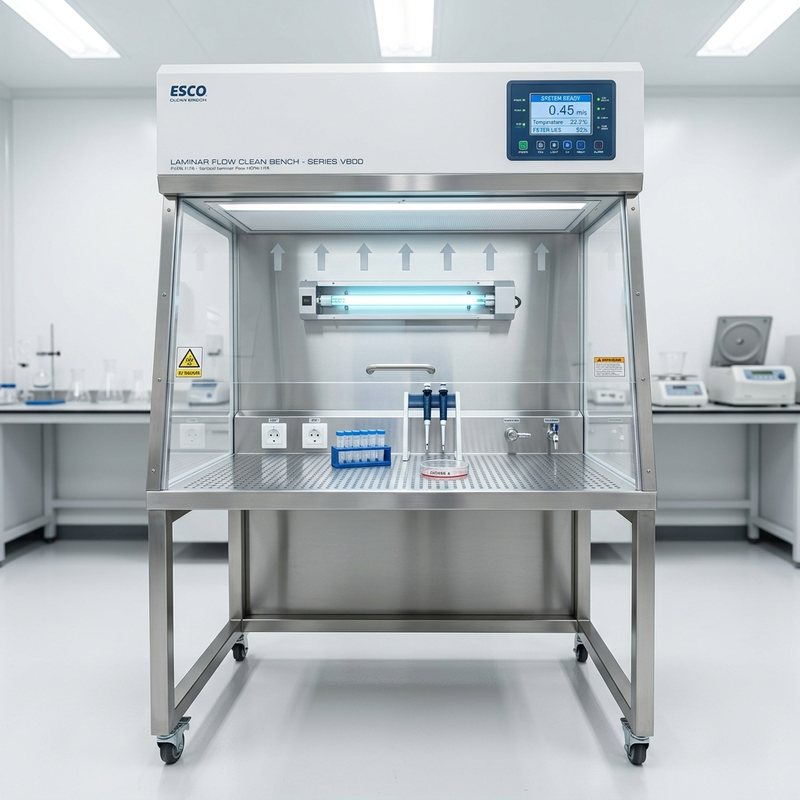
At its core, a laminar flow cabinet (LFC) creates a unidirectional stream of filtered air that sweeps across the work surface. The air passes through a high‑efficiency particulate air (HEPA) filter (≥99.97 % removal of 0.3 µm particles) or an ultra‑low penetration air (ULPA) filter (≥99.9995 % removal). The filtered air then flows vertically or horizontally, forming a “laminar” (smooth) layer that prevents contaminants from settling on samples.
The cabinet’s enclosure is typically constructed from stainless steel or anodised aluminium, providing chemical resistance and easy cleaning. A built‑in blower or fan maintains the required air velocity (usually 0.3–0.5 m/s for vertical cabinets). Controls may be analog or digital, allowing users to set airflow speed, temperature, and optional UV‑sterilisation.
Key Types and Features to Consider from a Laminar Air Flow Cabinet Manufacturer in Chennai: Buyer’s Checklist
- Vertical vs. Horizontal Flow: Vertical cabinets push air from the top down, ideal for aseptic work on open containers. Horizontal cabinets draw air from the back and push it forward, providing better access for larger equipment.
- Filter Rating: HEPA is sufficient for most microbiology labs; ULPA is required for semiconductor or nanotech applications.
- Material Compatibility: Stainless‑steel interiors resist corrosion from solvents, while acrylic fronts reduce glare.
- Temperature Control: Some models integrate heating or cooling to maintain sample temperature between 4 °C and 40 °C.
- UV‑C Sterilisation: Optional UV lamps can decontaminate the work surface between runs, but they must be switched off during operation to avoid sample exposure.
- Noise Level: Fan and motor design affect dB(A) output; low‑noise cabinets are preferable in teaching labs.
- Certification: Look for compliance with ISO 14644‑1 (clean‑room classification) and IEC 60601‑1 (electrical safety).
Critical Specifications and Performance Parameters
| Airflow Velocity | 0.30–0.50 m/s (vertical) / 0.20–0.35 m/s (horizontal) |
| Filter Efficiency | HEPA ≥ 99.97 % (0.3 µm) or ULPA ≥ 99.9995 % (0.12 µm) |
| Cabinet Dimensions | Standard work‑area widths: 600 mm, 800 mm, 1200 mm |
| Construction Material | Stainless steel 304/316, powder‑coated aluminium |
| Power Consumption | 150–350 W depending on size and motor type |
| Noise Level | 45–60 dB(A) typical |
| Safety Features | Air‑flow alarms, over‑temperature cut‑off, sash interlock |
These specifications help you compare offerings from different Chennai manufacturers and verify that the unit meets your laboratory’s ISO classification (see ISO 14644‑1 for reference).
Practical Selection Criteria for Chennai Laboratories
- Define the Application: Are you performing cell culture, media preparation, or analytical weighing? The required work‑area size and filter type will differ.
- Check Local Regulatory Requirements: Pharmaceutical facilities in India must align with CDSCO guidelines; academic labs often follow UGC standards.
- Validate the Manufacturer’s Track Record: Request references from other Chennai institutions and verify service response times.
- Assess After‑Sales Support: Installation, calibration, and spare‑part availability are critical for uninterrupted operation.
- Consider Total Cost of Ownership: Include filter replacement cycles (typically 12–24 months), energy consumption, and warranty terms.
- Inspect the Control Interface: Digital panels with data logging simplify compliance documentation.
Comparing Laminar Flow Cabinets with Alternative Clean Air Solutions
While laminar flow cabinets are the gold standard for aseptic manipulations, some labs opt for alternatives such as:
- Class 100 (ISO 5) Clean Benches: Provide a clean environment but lack the continuous airflow over the work surface, making them less suitable for open‑container work.
- Biological Safety Cabinets (BSCs): Offer both personnel and product protection but use turbulent airflow, which can disturb delicate samples.
- Portable HEPA Air Purifiers: Useful for general room filtration but cannot guarantee a particle‑free zone at the bench.
When the primary goal is to maintain a sterile field for cell culture or media preparation, a dedicated laminar flow cabinet remains the most reliable choice.
Installation, Calibration, and Routine Maintenance Guidance
Proper installation is essential to preserve airflow integrity. Follow these steps:
- Position the cabinet away from walls and high‑traffic zones to avoid airflow disruption.
- Verify that the power supply matches the manufacturer’s voltage and frequency specifications (India: 230 V, 50 Hz).
- Perform a pre‑use airflow verification using a calibrated anemometer; the measured velocity should be within ±10 % of the rated value.
- Schedule filter integrity testing (bubble‑point test) annually or per the manufacturer’s recommendation.
- Clean the interior weekly with 70 % isopropyl alcohol; avoid abrasive pads that could damage the filter housing.
- Replace HEPA filters according to the usage log—typically every 12 months for high‑throughput labs.
Common Pitfalls and How to Avoid Them
- Ignoring Airflow Alarms: Disabling alarms may lead to unnoticed filter failure; always keep them active.
- Improper Sash Positioning: Keeping the sash fully open reduces the cabinet’s protective envelope.
- Using Incompatible Solvents: Strong acids or bases can degrade the filter media; consult the manufacturer’s chemical compatibility chart.
- Neglecting Preventive Maintenance: Skipping routine filter checks shortens cabinet life and compromises sterility.
- Choosing the Lowest‑Cost Model Without Support: A cheaper unit may lack local service contracts, leading to costly downtime.
Frequently Asked Questions
What is the difference between vertical and horizontal laminar flow cabinets?
Vertical cabinets direct filtered air from the top down, which is ideal for open‑container work and reduces the risk of cross‑contamination. Horizontal cabinets push air from the back toward the user, offering better ergonomics for large equipment but may expose the operator to a slight airflow draft.
How often should the HEPA filter be replaced?
Replacement intervals depend on usage intensity and ambient air quality. In a high‑throughput pharmaceutical lab, a 12‑month replacement cycle is common, whereas a teaching lab with intermittent use may extend to 24 months. Always follow the manufacturer’s recommendation and monitor pressure drop across the filter.
Can I install a laminar flow cabinet in a non‑air‑conditioned room?
Yes, but temperature fluctuations can affect airflow stability. If precise temperature control is required, consider a cabinet with integrated heating/cooling or provide an external HVAC system to maintain ambient conditions within ±2 °C.
Are UV‑C lamps safe to use continuously?
No. UV‑C is effective for surface sterilisation only when the cabinet is idle. Continuous exposure can degrade polymer components and pose a health risk to users. Most cabinets include an interlock that disables the UV lamp when the sash is open.
What documentation should I request from the manufacturer?
Ask for a Certificate of Conformity (CoC), test reports for airflow velocity, filter integrity test results, and a user manual that includes calibration procedures. These documents are essential for regulatory audits.
Final Verdict and Next Steps
Choosing the right laminar air flow cabinet in Chennai hinges on matching the cabinet’s airflow design, filter efficiency, and ancillary features with your specific laboratory workflow. Use the checklist above to evaluate manufacturers, verify compliance with ISO 14644‑1, and ensure that after‑sales support is locally available.
Ready to explore models that meet these criteria? Visit the Laminar Air Flow product page on Sathya Scientific to compare specifications, request a quotation, and arrange a site‑visit for installation planning.