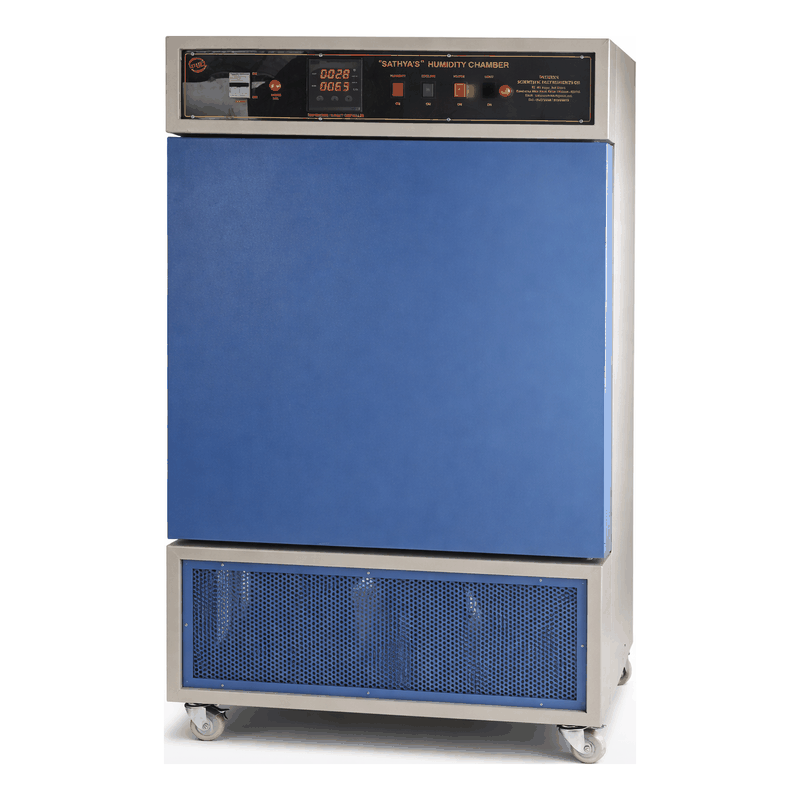
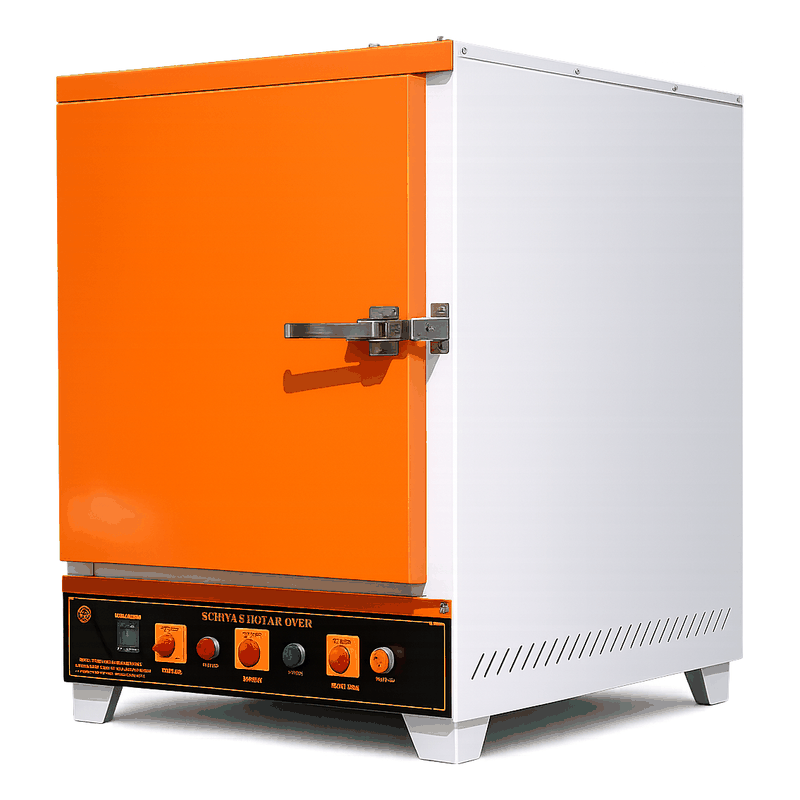
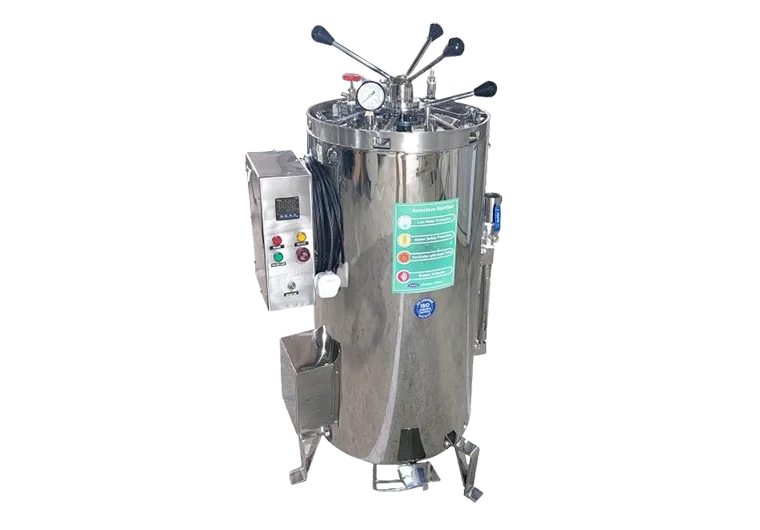
In laboratory practice, maintaining precise temperature, pressure, or flow set‑points is essential for reproducible results. A PID Controller in Lab Equipment: Why It Matters for Accuracy is the cornerstone technology that enables such tight control, whether you are running a humidity chamber in Chennai or a high‑pressure autoclave in Bangalore. This article explains the working principle, key components, and practical considerations that help laboratory managers and procurement teams choose the right PID‑enabled instrument for their applications.
Table of Contents
- How a PID Controller Works and Why It Boosts Accuracy
- Core Components of PID‑Enabled Laboratory Instruments
- Applications Where PID Accuracy Is Critical
- Choosing the Right PID‑Controlled Equipment
- Comparison with Alternative Control Technologies
- Installation, Calibration, and Maintenance Tips
- Common Mistakes to Avoid
- Frequently Asked Questions
- Final Verdict and Practical Recommendation
How a PID Controller Works and Why It Boosts Accuracy
A PID (Proportional‑Integral‑Derivative) controller continuously calculates the error between a measured process variable (e.g., temperature) and a desired set‑point. It then applies three corrective actions:
- Proportional (P): Provides an output proportional to the current error.
- Integral (I): Accumulates past errors to eliminate steady‑state offset.
- Derivative (D): Predicts future error based on the rate of change, dampening overshoot.
By tuning these three parameters, the controller can achieve rapid response without oscillation, delivering the repeatability required for pharmaceutical validation, analytical chemistry, and material testing.
Core Components of PID‑Enabled Laboratory Instruments
Modern lab equipment that incorporates a PID controller typically includes:
- Sensor Suite: Thermocouples, RTDs, pressure transducers, or humidity sensors that feed real‑time data to the controller.
- Control Unit: A microprocessor with configurable PID parameters, often accessible via a touchscreen or PC interface.
- Actuator: Heating elements, cooling coils, valves, or motorized stirrers that adjust the process variable.
- Safety Interlocks: Over‑temperature, over‑pressure, and fault detection circuits that shut down the system if limits are exceeded.
Applications Where PID Accuracy Is Critical
Laboratories across India rely on PID‑controlled devices for:
- Temperature‑sensitive incubations (e.g., BOD incubators for biochemical oxygen demand tests).
- Sterilization cycles in autoclaves where precise steam pressure and temperature prevent under‑ or over‑sterilisation.
- Humidity chambers used for stability studies of pharmaceuticals, requiring ±2 % RH stability.
- High‑temperature furnaces and ovens where a ±0.5 °C deviation can affect material properties.
Choosing the Right PID‑Controlled Equipment
When evaluating a purchase, consider the following criteria:
- Range and Resolution: Ensure the controller covers the required temperature or pressure span with sufficient resolution (e.g., 0.1 °C for a laboratory oven).
- Tuning Flexibility: Look for auto‑tune functions or manual PID parameter entry to adapt to different load characteristics.
- Data Logging: Built‑in memory or networked logging simplifies compliance with GMP and ISO 17025 documentation.
- Construction Materials: Stainless steel or Hastelloy interiors are preferred for corrosive environments.
- Support and Calibration: Verify that the supplier offers on‑site calibration services and readily available spare parts.
Comparison with Alternative Control Technologies
While PID is the gold standard, some instruments use simpler on‑off (bang‑bang) control or fuzzy logic. Bang‑bang control is cheaper but leads to temperature cycling and reduced product yield. Fuzzy logic can handle nonlinear processes but often lacks the transparency needed for regulatory audits. For most regulated labs in India, a properly tuned PID controller remains the most defensible choice.
Installation, Calibration, and Maintenance Tips
Proper setup ensures the PID controller delivers its promised accuracy:
- Installation: Position sensors away from heat sinks or airflow disturbances. Follow the manufacturer’s wiring diagram to avoid ground loops.
- Calibration: Perform a dual‑point calibration using a certified reference thermometer before first use and at regular intervals (typically annually).
- Maintenance: Clean sensor probes, check actuator connections, and verify safety interlocks monthly. Replace worn heating elements to prevent drift.
Common Mistakes to Avoid
Even experienced users can introduce errors:
- Setting the proportional gain too high, causing temperature overshoot.
- Neglecting the integral term, which leads to a persistent offset.
- Using a sensor with a slower response time than the controller’s update rate.
- Skipping routine calibration, which invalidates validation data.
Frequently Asked Questions
What is the typical accuracy of a PID‑controlled laboratory oven?
High‑quality units can achieve ±0.2 °C across a 20 °C‑300 °C range, provided the sensor is calibrated and the oven is properly insulated.
Can I retrofit an existing instrument with a PID controller?
Many legacy devices allow retrofitting with a modular PID module, but you must verify compatibility with the existing actuator and ensure the sensor’s signal type matches the controller input.
How often should I re‑tune the PID parameters?
Re‑tuning is recommended after major maintenance, a change in load (e.g., different sample volume), or if you notice increased settling time or oscillations.
Are there Indian standards that govern PID performance?
Yes, the Bureau of Indian Standards (BIS) references ISO 9001 for quality management and IS 1518 for temperature measurement accuracy in laboratory equipment. For detailed guidance, see the ISO 9001 quality management standard.
Is a PID controller suitable for low‑temperature applications like 4 °C refrigeration?
Absolutely. The derivative term helps prevent temperature swings caused by compressor cycling, ensuring stable cold‑chain conditions.
Final Verdict and Practical Recommendation
For laboratories in Chennai, Bangalore, or anywhere in Tamil Nadu, investing in equipment with a well‑tuned PID controller is a strategic move that safeguards data integrity, regulatory compliance, and operational efficiency. When selecting a system, prioritize range, sensor quality, auto‑tune capability, and after‑sales support. A reliable supplier can also provide calibration certificates and spare parts inventory, reducing downtime.
Ready to explore PID‑enabled instruments that meet Indian quality standards? Visit our laboratory equipment supplier page to see a curated selection of temperature‑controlled ovens, autoclaves, and humidity chambers.