In laboratory practice, selecting the right hot air oven for glassware sterilization is a critical step that impacts product quality, regulatory compliance, and operational efficiency. Whether you manage a university chemistry lab in Chennai, a pharmaceutical R&D unit in Hyderabad, or a quality‑control suite in Mumbai, the same technical fundamentals apply. This guide walks you through the working principle, key specifications, and practical buying tips so you can make an informed decision.
Table of Contents
- Understanding the Working Principle of a Hot Air Oven
- Key Features and Specifications to Evaluate
- How to Choose a Hot Air Oven for Glassware Sterilization – Selection Criteria
- Comparing Hot Air Ovens with Alternative Sterilization Technologies
- Installation, Calibration, and Routine Maintenance
- Common Mistakes to Avoid
- Frequently Asked Questions
- Final Verdict and Practical Recommendation
Understanding the Working Principle of a Hot Air Oven
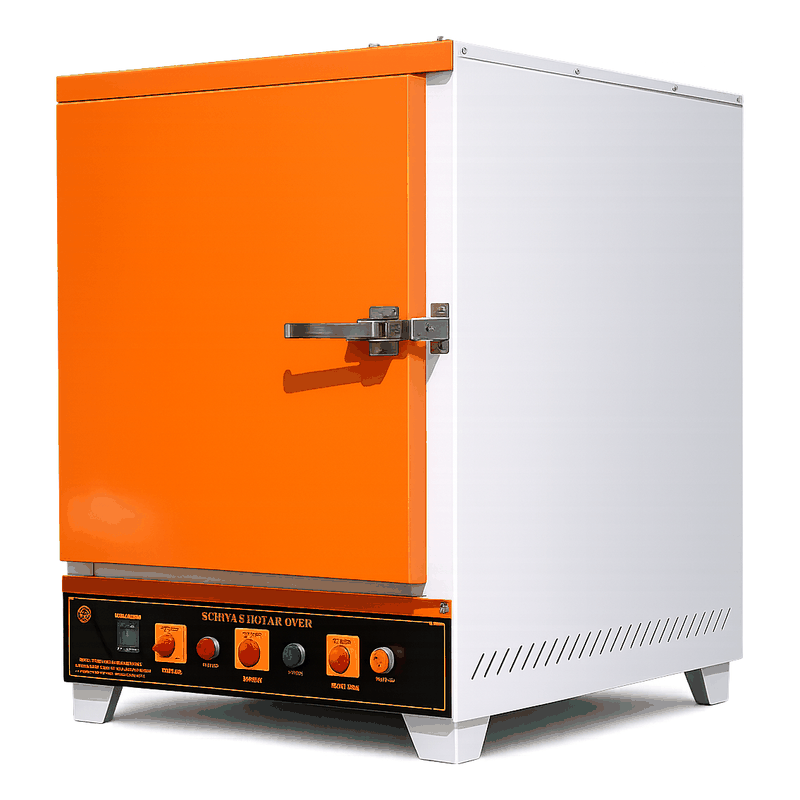
A hot air oven relies on forced convection to circulate heated air uniformly across the chamber. The main components include a heating element (usually nichrome or ceramic), a fan or blower, temperature sensors, and a digital controller. When the set temperature is reached, the controller maintains it within a tight tolerance (typically ±1 °C) by modulating power to the element. The constant airflow eliminates temperature gradients, ensuring every piece of glassware—beakers, flasks, or pipette racks—receives the same exposure.
This dry‑heat method is ideal for sterilizing heat‑stable glassware because it does not introduce moisture, unlike steam autoclaves. The process typically follows USP or ISO 13485 guidelines: a pre‑heat phase, a sterilization hold (usually 160 °C for 2 hours), and a controlled cool‑down to prevent thermal shock.
Key Features and Specifications to Evaluate
When answering the question “How to Choose a Hot Air Oven for Glassware Sterilization,” focus on the following technical parameters:
- Temperature Range and Accuracy: Minimum 50 °C to maximum 250 °C covers most sterilization cycles. Accuracy of ±1 °C is essential for validation.
- Uniformity: Look for a uniformity rating of ≤±2 °C across the chamber, verified by a calibrated probe or a thermal map.
- Capacity and Layout: Chamber volume (liters) and rack configuration determine how many items can be processed per batch. For high‑throughput labs, a 30‑L oven with adjustable shelves is common.
- Construction Materials: Stainless‑steel (grade 304) interior resists corrosion and is easy to clean. Double‑wall insulation reduces heat loss and improves safety.
- Control System: Digital touch‑screen controllers with programmable cycles, data logging, and alarm functions simplify compliance documentation.
- Safety Features: Over‑temperature cut‑off, door interlock, and emergency stop are mandatory for GMP environments.
- Power Requirements: Typical 220‑240 V, 50/60 Hz; check Indian voltage standards and any need for dedicated circuits.
- Certifications: ISO 9001, CE marking, and compliance with local Indian standards (e.g., IS 1445) add confidence.
How to Choose a Hot Air Oven for Glassware Sterilization – Selection Criteria
The decision matrix varies with application, budget, and space constraints. Use the checklist below to align the oven’s capabilities with your lab’s needs:
- Application Frequency: Daily high‑volume sterilization warrants a larger chamber and faster heat‑up (≤15 min). Occasional use may be satisfied by a compact benchtop model.
- Glassware Types: If you sterilize tall flasks or specialized columns, ensure the oven offers adjustable rack height and enough clearance.
- Regulatory Requirements: Pharmaceutical labs must document temperature logs for each cycle; choose an oven with built‑in data export (USB or LAN).
- Space Availability: Measure the footprint; a vertical design saves floor area, while a horizontal layout may fit under existing benches.
- Energy Efficiency: Look for insulated doors and programmable standby mode to reduce operating cost, especially in Delhi’s winter.
- After‑Sales Support: Availability of spare parts, on‑site calibration, and warranty terms are as important as the purchase price.
Comparing Hot Air Ovens with Alternative Sterilization Technologies
While hot air ovens excel for dry‑heat sterilization, other options exist:
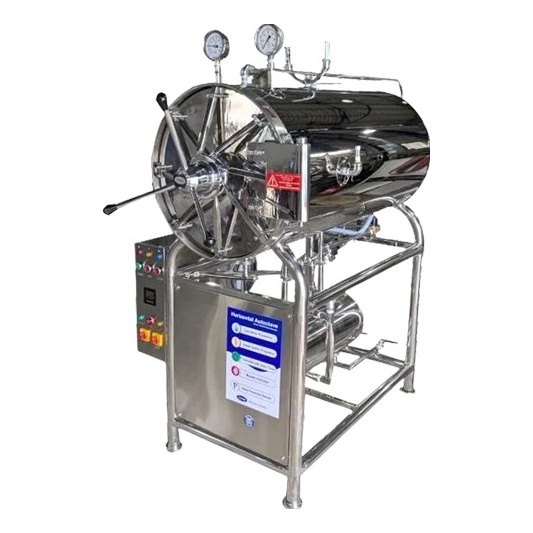
- Steam Autoclave: Uses moist heat at 121 °C for 15–30 min. Suitable for heat‑sensitive instruments but can leave moisture residues on glassware.
- Dry‑Heat Sterilizer (Muffle Furnace): Operates at higher temperatures (up to 300 °C) and is ideal for metal tools, but the larger size and longer cycles make it less convenient for routine glassware.
- UV‑C Chamber: Provides surface decontamination only; not a replacement for full sterilization.
For most laboratories, a dedicated hot air oven remains the most efficient choice for glassware that can withstand dry heat.
Installation, Calibration, and Routine Maintenance
Proper installation ensures consistent performance:
- Place the oven on a level, vibration‑free surface away from direct sunlight.
- Allow at least 10 cm clearance on all sides for adequate ventilation.
- Connect to a dedicated circuit with proper grounding as per Indian Electrical Code.
Calibration should be performed annually using a certified thermocouple or a calibrated reference thermometer. Record the results in a maintenance log to satisfy audit requirements.
Routine cleaning involves wiping the interior with a lint‑free cloth and mild detergent after each sterilization run. Avoid abrasive pads that could damage the stainless‑steel finish.
Common Mistakes to Avoid
Even experienced users can slip into habits that compromise sterility:
- Overloading the Chamber: Packing glassware too tightly blocks airflow and creates cold spots.
- Skipping the Cool‑Down Phase: Sudden removal of hot items can cause cracks and contamination.
- Ignoring Door Seal Integrity: A worn gasket leads to heat loss and temperature drift.
- Using Incorrect Cycle Settings: Always follow the validated protocol for temperature and hold time; a 150 °C, 30‑minute cycle is insufficient for USP compliance.
Frequently Asked Questions
What temperature is required for glassware sterilization?
USP recommends a dry‑heat cycle of 160 °C for at least 2 hours, or 170 °C for 1 hour, provided the oven demonstrates uniformity within ±2 °C.
Can I use a laboratory hot air oven for both sterilization and drying?
Yes, many models offer programmable cycles that switch between sterilization (high temperature, long hold) and drying (lower temperature, shorter hold). Just verify that the oven’s temperature uniformity meets the stricter sterilization criteria.
How often should I calibrate the oven?
Annual calibration is standard for GMP labs. If the oven is used intensively (≥8 hours/day), consider semi‑annual verification.
Is a benchtop oven sufficient for a university chemistry department?
For moderate throughput (≤20 items per batch) and limited space, a benchtop oven with a 15‑L capacity is usually adequate. Ensure it has a digital controller and safety interlocks.
What documentation is needed for regulatory audits?
Maintain cycle logs (temperature vs. time), calibration certificates, preventive‑maintenance records, and validation reports. An oven with built‑in data export simplifies this process.
Final Verdict and Practical Recommendation
Choosing the right hot air oven hinges on matching capacity, temperature control, and safety features to your specific workflow. For most Indian laboratories—whether in Chennai, Bengaluru, or New Delhi—a stainless‑steel, 30‑L oven with digital programming, ±1 °C accuracy, and a robust after‑sales network offers the best balance of performance and cost.
Before finalising the purchase, ask the supplier:
- What is the warranty period and what does it cover?
- Are calibration services available locally?
- Can the oven be integrated with our laboratory information management system (LIMS) for automatic data logging?
- What spare parts are stocked in India and what is the lead time?
By addressing these points, you reduce downtime and ensure compliance with USP and ISO 13485 standards.
Ready to explore models that meet these criteria? Browse the laboratory hot air oven selection at Sathya Scientific and find the unit that fits your sterilization workflow.
For detailed guidance on international sterilization standards, refer to the USP General Chapter on sterile products.