
When a laboratory manager in Trichy or Thanjavur searches for a Lab Equipment Supplier in Trichy and Thanjavur: Delivery and Installation, the expectation is clear – reliable equipment, timely delivery, and professional installation that meets Indian safety standards. In this article we break down the technical aspects of the most common lab instruments, explain how a local supplier can streamline the procurement process, and give practical tips for choosing the right partner for your facility.
Table of Contents
- Why Delivery and Installation Matter for Laboratory Success
- Core Laboratory Instruments Covered by a Local Supplier
- Technical Overview: How These Instruments Operate
- Selection Criteria for a Lab Equipment Supplier in Trichy and Thanjavur
- Comparing Delivery Models: Direct Manufacturer vs. Local Distributor
- Installation Best Practices
- Maintenance, Calibration, and Troubleshooting
- Questions to Ask Before Signing a Purchase Order
- Common Mistakes to Avoid
- Frequently Asked Questions
- Final Verdict and Practical Recommendations
Why Delivery and Installation Matter for Laboratory Success
In laboratory practice, equipment downtime directly translates into lost research data, delayed product releases, and increased operational costs. A supplier that offers end‑to‑end logistics – from factory dispatch to on‑site installation – reduces the risk of damage, ensures proper calibration, and provides the documentation required for regulatory compliance. For institutions in Tamil Nadu, where road conditions and customs clearance can add unpredictability, a local partner familiar with the regional supply chain is a decisive advantage.
Core Laboratory Instruments Covered by a Local Supplier
Below is a snapshot of the equipment categories that most laboratories in Trichy and Thanjavur require, together with key technical parameters you should verify before purchase.
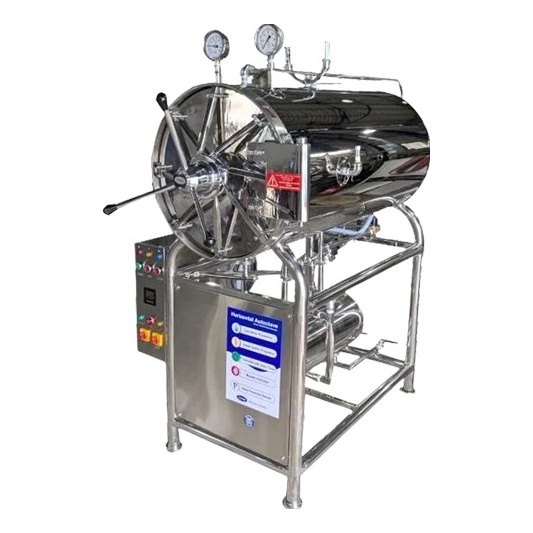
- Autoclaves (Horizontal, Vertical, High‑Pressure Radial Locking) – Operate at 121 °C to 134 °C, pressure up to 2 bar, with automatic cycle control and safety interlocks. Stainless‑steel chambers ensure corrosion resistance.
- Incubators (BOD, Bacteriological) – Provide temperature stability of ±0.5 °C, CO₂ control for cell culture, and humidity regulation for microbial growth.
- Humidity & Stability Chambers – Offer temperature ranges from -20 °C to +200 °C and relative humidity control from 10 % to 95 % RH, essential for pharmaceutical stability studies.
- Hot‑Air Ovens & Muffle Furnaces – Uniform heat distribution, programmable temperature ramps, and insulated cabins for glassware sterilization or material testing.
- Laboratory Chillers – Cooling capacity from 5 L/min to 30 L/min, temperature set‑points down to –20 °C, and built‑in alarms for coolant level.
- Water Baths (Concentric Ring, Serological) – Temperature accuracy of ±0.1 °C, shaking options, and digital displays for precise thermal control.
- Laminar Flow Hoods & Fume Hoods – HEPA‑filtered airflow at 0.45 m/s to 0.6 m/s, ensuring aseptic work environments and safe handling of volatile chemicals.
Technical Overview: How These Instruments Operate
Most of the equipment listed relies on a closed‑loop control system. Sensors (thermocouples, pressure transducers, humidity probes) feed real‑time data to a programmable logic controller (PLC). The PLC adjusts heating elements, steam generators, or cooling compressors to maintain set points. For example, an autoclave uses a steam generator to raise chamber pressure; once the target temperature and pressure are achieved, a timer starts the sterilization cycle, after which a controlled depressurization prevents sudden temperature drops.
Selection Criteria for a Lab Equipment Supplier in Trichy and Thanjavur
When evaluating a supplier, consider the following factors:
- Local Service Network – Proximity to your site reduces travel time for technicians and spare‑part delivery.
- Installation Expertise – Certified engineers should perform site surveys, level the equipment, connect utilities, and run acceptance tests.
- Calibration & Validation Support – Availability of ISO‑17025 calibrated standards and documentation for regulatory audits.
- Warranty and After‑Sales Service – Minimum 12‑month warranty with options for extended coverage and on‑site preventive maintenance contracts.
- Compliance with Indian Standards – Equipment must meet BIS specifications for safety and performance.
- Transparent Pricing – Understand cost drivers such as import duties, freight, installation fees, and optional accessories (e.g., data loggers).
Comparing Delivery Models: Direct Manufacturer vs. Local Distributor
A direct purchase from an overseas manufacturer can appear cheaper on paper, but hidden costs often arise:
- Lead Time – Shipping from Europe or the US can take 6‑8 weeks, plus customs clearance.
- Technical Support – Manufacturers may not have local field engineers, leading to longer downtime.
- Installation – Without a local team, you may need to hire third‑party contractors, increasing risk of improper setup.
Conversely, a reputable local distributor in Trichy or Thanjavur typically stocks critical spares, offers same‑day delivery within Tamil Nadu, and provides certified installation. The marginal price premium is often offset by reduced total cost of ownership.
Installation Best Practices
Proper installation is more than plugging in a power cord. Follow these steps to ensure optimal performance:
- Conduct a site survey to verify floor load capacity, ventilation, and utility connections (water, gas, electricity).
- Level the equipment using adjustable feet; uneven placement can affect temperature uniformity.
- Connect grounding wires as per IS 3043 for electrical safety.
- Run a full acceptance test: verify temperature accuracy, pressure relief valve operation, and alarm functionality.
- Document the installation checklist and obtain a signed acceptance report from the supplier’s engineer.
Maintenance, Calibration, and Troubleshooting
Routine maintenance prolongs equipment life and maintains data integrity. A typical schedule includes:
- Weekly visual inspection for wear, corrosion, and cleanliness.
- Monthly calibration of temperature sensors using a certified reference thermometer (±0.1 °C accuracy).
- Quarterly preventive maintenance by the supplier’s service team – checking seals, pressure relief valves, and control firmware updates.
Common issues and quick fixes:
- Temperature drift – Re‑calibrate sensors; check for blocked airflow in ovens.
- Pressure alarms in autoclaves – Inspect steam generator for scale buildup; verify pressure gauge integrity.
- Humidity chamber condensation – Ensure proper sealing and purge excess moisture before start‑up.
Questions to Ask Before Signing a Purchase Order
- What is the estimated delivery window to Trichy/Thanjavur?
- Does the quotation include installation, commissioning, and a user‑training session?
- Are spare parts stocked locally, and what is the lead time for critical components?
- Can the supplier provide calibration certificates aligned with IS 3025?
- What are the warranty terms and options for extended service contracts?
Common Mistakes to Avoid
Even experienced procurement teams can overlook details that lead to costly setbacks:
- Skipping the site survey – Assumes the lab space meets requirements without verification.
- Choosing the lowest price – May exclude installation, training, or after‑sales support.
- Ignoring local compliance – Equipment lacking BIS certification can be barred from use in regulated labs.
- Delaying calibration – Leads to data drift and non‑conformity in quality‑control reports.
Frequently Asked Questions
How long does delivery typically take to Trichy?
For stocked items, most local distributors can deliver within 3‑5 business days. Custom‑built units may require 2‑3 weeks, depending on manufacturing lead time and logistics.
Is on‑site installation mandatory?
While you can install simple devices like hot plates yourself, complex instruments (autoclaves, incubators, chiller units) require certified technicians to ensure safety interlocks and calibration are correctly set.
Can the supplier provide training for my staff?
Yes, reputable suppliers include a hands‑on training session as part of the installation package, covering operation, routine maintenance, and emergency procedures.
What documentation is needed for regulatory audits?
Installation certificates, calibration reports, and user manuals with safety warnings. Ensure the supplier provides these in both English and Tamil if required.
Do I need a separate service contract?
Most suppliers offer optional preventive‑maintenance contracts that schedule quarterly visits. This is advisable for high‑throughput labs to minimize unexpected downtime.
Final Verdict and Practical Recommendations
For laboratories in Trichy and Thanjavur, partnering with a local Lab Equipment Supplier in Trichy and Thanjavur: Delivery and Installation that offers a complete service package is the most cost‑effective strategy. Verify that the supplier adheres to BIS standards, provides certified installation engineers, and includes calibration support. By asking the right questions and following the maintenance checklist, you can protect your investment and keep your research or production schedule on track.
Ready to explore the right equipment for your facility? Read our hot‑air oven buying guide for detailed product comparisons and start planning your next procurement today.
