
Maintaining a sterile work environment is non‑negotiable in pharmaceutical labs, research institutes, and quality‑control facilities across Chennai, Tamil Nadu, and the rest of India. How to Clean and Disinfect a Laminar Air Flow Cabinet correctly determines whether your critical samples stay contaminant‑free or become compromised. In this article we cover the working principle of a laminar flow cabinet, key components, selection tips, a practical cleaning protocol, safety considerations, and common pitfalls to avoid.
Table of Contents
- Understanding the Working Principle
- Why Proper Cleaning and Disinfection Matter
- Step‑by‑Step Cleaning Protocol (How to Clean and Disinfect a Laminar Air Flow Cabinet)
- Selection Criteria for a New Laminar Air Flow Cabinet
- Alternative Technologies – When a Laminar Flow Cabinet Might Not Be Ideal
- Maintenance, Safety, and Troubleshooting
- Typical Mistakes to Avoid When Cleaning
- Frequently Asked Questions
- Final Verdict and Practical Recommendations
Understanding the Working Principle
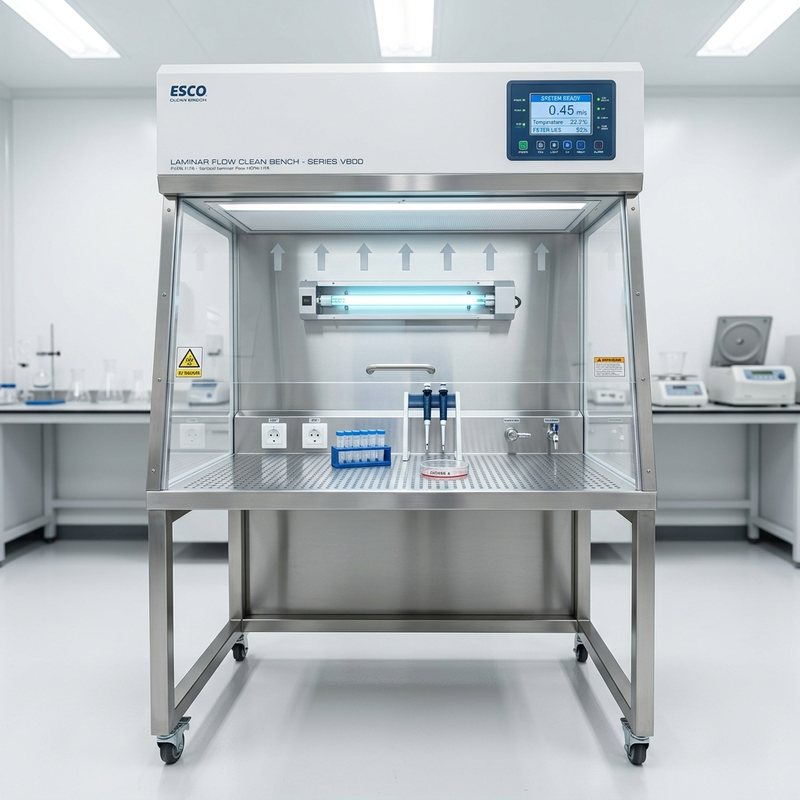
A laminar air flow (LAF) cabinet creates a uniform, unidirectional stream of HEPA‑filtered air that sweeps across the work surface. This “laminar” flow eliminates turbulent eddies, preventing airborne particles from settling on sterile items. The cabinet can be configured as a vertical‑flow (air moves downwards) or horizontal‑flow (air moves from the back towards the operator) unit, each suited to different applications such as aseptic media preparation, tissue culture, or drug compounding.
Core Components and Their Functions
- HEPA Filter (99.97 % efficiency at 0.3 µm) – Captures microbes, dust, and aerosols before the air enters the work zone.
- Pre‑filter – Extends the life of the HEPA filter by trapping larger particles.
- Fan/Blower – Generates the required airflow velocity (0.45 m/s for vertical, 0.3 m/s for horizontal flow).
- Work Surface (stainless steel or anodised aluminium) – Provides a smooth, non‑porous area that can be wiped down without corrosion.
- Sash and Front Glass – Acts as a barrier; many models have an interlock to stop airflow if opened.
- Control Panel – Displays airflow velocity, filter pressure drop, and alarm status.
Why Proper Cleaning and Disinfection Matter
Even with a high‑efficiency filter, particles can accumulate on the work surface, sash, and interior walls. Over time, bio‑film formation can reduce airflow performance and increase the risk of cross‑contamination. Indian regulatory bodies such as the CDSCO and guidelines from ISO 14644‑1 (cleanroom classification) explicitly require routine decontamination of LAF cabinets to maintain a Class 5 or better environment.
Step‑by‑Step Cleaning Protocol (How to Clean and Disinfect a Laminar Air Flow Cabinet)
1. Preparation – Safety First
- Turn off the cabinet and allow the airflow to stop for at least 5 minutes.
- Wear appropriate PPE: lab coat, nitrile gloves, safety goggles, and a face shield if working with hazardous agents.
- Remove all items from the work surface, including trays, tools, and consumables.
2. Dry Cleaning – Remove Loose Debris
- Use a lint‑free, non‑abrasive wipe or a soft brush to sweep the work surface, sash, and interior walls.
- A vacuum equipped with a HEPA‑rated hose can be employed for stubborn dust, but never use compressed air as it may spread contaminants.
3. Wet Cleaning – Choose the Right Solution
For most microbiological work, a 70 % isopropyl alcohol (IPA) solution is sufficient. For pharmaceutical aseptic processing, an EPA‑registered disinfectant such as 0.5 % sodium hypochlorite (bleach) is recommended. Always follow the manufacturer’s compatibility chart; stainless steel tolerates both, but some anodised aluminium surfaces may be sensitive to high‑pH solutions.
- Dampen a lint‑free wipe with the chosen disinfectant – do not saturate.
- Wipe the work surface in a single, overlapping pass from back to front.
- Repeat for the sash, front glass, and interior walls, ensuring the wipe remains moist for the contact time specified (usually 2–5 minutes).
4. Rinsing (If Required)
If you used bleach, a final rinse with sterile distilled water prevents residue that could affect downstream assays. Follow with a dry wipe using a clean lint‑free cloth.
5. Re‑assembly and Validation
- Replace all trays and accessories with sterilised equivalents.
- Turn the cabinet back on and allow it to reach steady‑state flow (usually 2–3 minutes).
- Perform a quick airflow verification using the built‑in sensor or a handheld anemometer. The reading should be within ±10 % of the rated velocity.
- Document the cleaning date, disinfectant used, and any observations in the equipment logbook – a requirement for GMP‑compliant labs.
Selection Criteria for a New Laminar Air Flow Cabinet
When you decide to purchase a new unit, consider the following factors that directly affect cleaning frequency and ease of maintenance:
- Filter Access – Cabinets with front‑mounted or hinged filter housings simplify filter changes and reduce the need to dismantle the cabinet for cleaning.
- Material of Work Surface – Stainless steel is preferred for harsh disinfectants; aluminium may be lighter but requires milder agents.
- Interlock and Alarm Systems – Automatic shutdown when the sash is opened prevents accidental airflow loss during cleaning.
- Certification – Look for ISO 14644‑1 compliance and CE marking; Indian labs often require BIS certification for imported units.
- Service Network – A local dealer in Chennai or Tamil Nadu who can supply spare HEPA filters and provide annual validation services saves downtime.
Alternative Technologies – When a Laminar Flow Cabinet Might Not Be Ideal
For processes that generate high levels of volatile organic compounds (VOCs) or require containment of hazardous aerosols, a traditional LAF cabinet is insufficient. In such cases, consider a:
- Biological Safety Cabinet (BSC) – Provides both personnel and product protection with negative pressure and HEPA‑filtered exhaust.
- Cleanroom Enclosure – Larger footprint, suitable for batch processing, but demands more extensive cleaning protocols.
However, for routine aseptic manipulations, the simplicity and lower operating cost of a laminar flow cabinet remain unmatched.
Maintenance, Safety, and Troubleshooting
Routine Checks
- Inspect the pre‑filter and HEPA filter monthly for visible dust buildup.
- Record pressure drop across the filter; a rise of >30 % indicates imminent replacement.
- Calibrate the airflow sensor annually; many manufacturers offer on‑site service.
Common Issues and Remedies
- Reduced Airflow Velocity – Clean or replace the pre‑filter; check for blocked inlet grills.
- Alarm Beeps on Sash Closure – Verify the interlock sensor is not misaligned; clean the contact points.
- Unusual Odour Inside the Cabinet – May indicate chemical residue; perform a thorough de‑contamination using a neutralising agent.
Typical Mistakes to Avoid When Cleaning
- Using abrasive pads or steel wool – they scratch the stainless surface and create niches for microbes.
- Applying excessive liquid – can pool and seep into the blower, causing motor failure.
- Skipping the contact time for disinfectants – reduces efficacy against resistant spores.
- Neglecting documentation – audit teams in Indian pharma companies often flag missing cleaning logs.
Frequently Asked Questions
How often should a laminar flow cabinet be disinfected?
For high‑throughput aseptic work, a daily wipe‑down with 70 % IPA is advisable. A deeper clean with bleach should be performed weekly or after any spill of biologically hazardous material.
Can I use ethanol instead of isopropyl alcohol?
Yes, 70 % ethanol is acceptable, but it evaporates faster and may leave a residue on some aluminium surfaces. Verify compatibility with the cabinet’s user manual.
Do I need to replace the HEPA filter after cleaning?
No. Routine cleaning does not affect the filter. Replace only when the pressure drop exceeds the manufacturer’s limit or after the filter’s rated service life (typically 12–24 months in a busy lab).
Is it necessary to turn off the cabinet before cleaning?
Absolutely. Turning off the blower prevents aerosolisation of contaminants and protects the filter from moisture ingress.
What PPE is mandatory during disinfection?
At minimum, wear nitrile gloves, a lab coat, safety goggles, and a face shield if using bleach or other corrosive agents. For hazardous microbes, add a disposable respirator (N95 or higher).
Final Verdict and Practical Recommendations
Cleaning and disinfecting a laminar air flow cabinet is a straightforward yet critical task that safeguards product integrity and regulatory compliance. By following the step‑by‑step protocol outlined above, documenting every action, and adhering to a regular maintenance schedule, laboratory managers in Chennai, Tamil Nadu, and across India can minimise downtime and extend the lifespan of their equipment.
When you are ready to upgrade or replace your existing cabinet, consider a model with easy‑access filters, stainless‑steel work surfaces, and built‑in interlock alarms. Explore our range of laminar air flow cabinets to find a configuration that matches your workflow, budget, and compliance needs.

