Setting up a food testing laboratory in Chennai or any part of Tamil Tamil Nadu requires a clear understanding of the Laboratory Equipment for Food Testing Labs: Complete List. Whether you are a procurement manager in a pharmaceutical company, a research scientist at an educational institute, or a quality‑control professional in the food industry, the right instruments determine the reliability of your analytical results and the efficiency of your workflow.
Table of Contents
- Working Principles Behind Core Food‑Testing Instruments
- Comprehensive List of Equipment Required in Food Testing Labs
- How to Choose the Right Equipment for Your Food Testing Lab
- Comparison: Autoclave vs. High‑Pressure Steam Sterilizer
- Installation, Calibration, and Routine Maintenance
- Common Mistakes to Avoid in Food Testing Laboratories
- Frequently Asked Questions
- Final Verdict and Practical Recommendations
Working Principles Behind Core Food‑Testing Instruments
Food testing laboratories rely on a mix of thermal, mechanical, and optical technologies. Below is a brief overview of how the most common equipment operates:
- Autoclaves – Use saturated steam at 121 °C–134 °C under pressure to sterilise media, glassware, and reagents. The steam penetrates porous materials, destroying spores and microorganisms.
- Incubators – Provide a controlled temperature (typically 30 °C–45 °C) and, for some models, humidity or CO₂ levels to support microbial growth for assays such as total plate count or BOD.
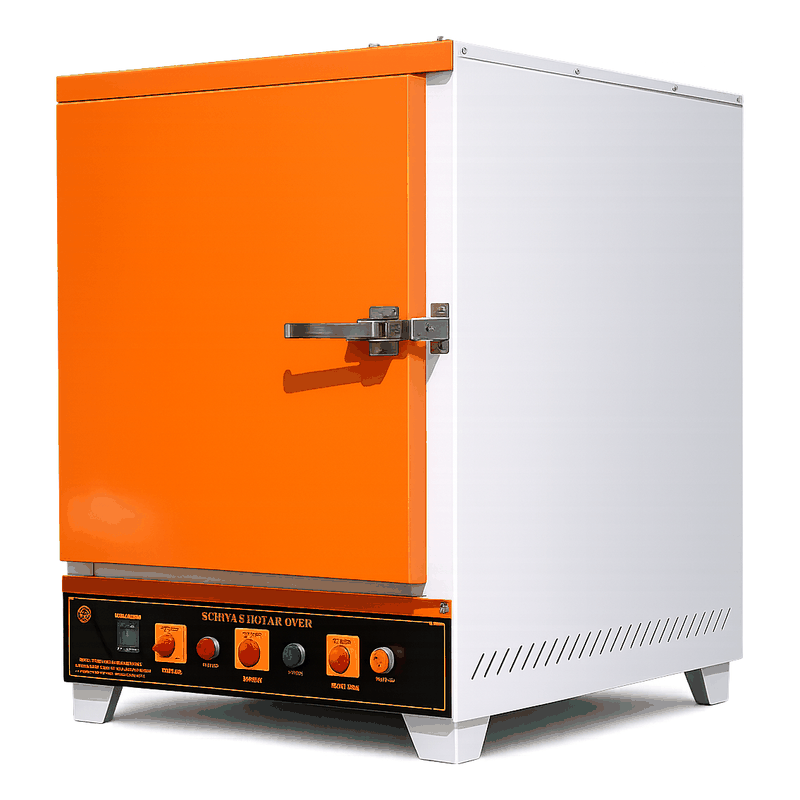
- Hot‑air ovens & furnaces – Rely on convection or radiant heating to achieve uniform temperatures up to 1400 °C for dry‑weight determination, moisture loss, or thermal degradation studies.
- Water baths & circulating baths – Maintain a liquid medium at a set temperature (0 °C–200 °C) for sample extraction, digestion, or enzyme reactions.
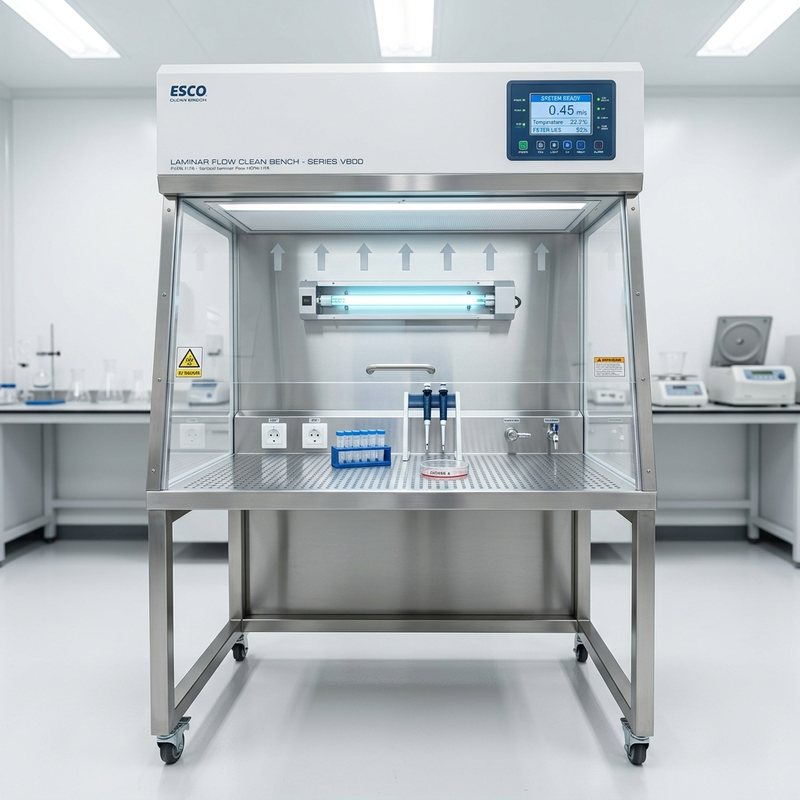
- Laminar flow hoods – Produce a unidirectional airflow of HEPA‑filtered air (≥ 99.99 % efficiency) to protect samples from airborne contaminants.
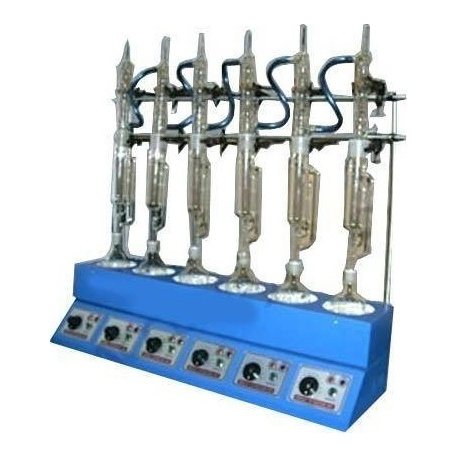
- Soxhlet extractors – Perform continuous solvent reflux, allowing exhaustive extraction of lipids or pesticide residues from solid food matrices.
- Heating mantles & hot plates – Convert electrical energy into uniform heat for glassware, with mantles offering better temperature distribution for round‑bottom flasks.
Comprehensive List of Equipment Required in Food Testing Labs
The following categories represent a complete inventory for a modern food analysis facility. Each item includes typical specifications and practical applications.
Sterilisation and Sample Preparation
- Autoclave (Vertical or Horizontal) – Capacity 10 L–100 L, temperature range 121 °C–134 °C, automatic pressure release, stainless‑steel chamber. Ideal for media sterilisation, glassware, and enzyme inactivation.
- Humidity Chamber – Relative humidity control 30 %–95 %, temperature 20 °C–80 °C, used for moisture sorption studies and shelf‑life simulations.
- Laboratory‑grade Water Bath – Precision ±0.1 °C, digital display, optional shaking platform for sample homogenisation.
Incubation and Microbial Growth
- BOD Incubator – 20 °C–50 °C range, orbital shaking, equipped with DO sensor for biochemical oxygen demand measurements.
- Bacteriological Incubator – Static or shaking modes, temperature stability ±0.2 °C, suitable for plate count, coliform, and yeast‑mold assays.
Thermal Analysis and Dry‑Weight Determination
- Laboratory Hot‑Air Oven – Up to 250 °C, uniform airflow, programmable timers, used for drying, curing, and heat‑treatment studies.
- Muffle Furnace – 500 °C–1200 °C, high‑temperature stability, essential for ash content and metal‑trace analysis.
- Grooved Furnace (1200 °C) and High‑Temperature Furnace (1400 °C) – Provide rapid heating rates and precise temperature control for combustion analysis.
- High‑Temperature Oven – 300 °C–600 °C, suitable for polymer degradation and food packaging material testing.
Temperature‑Controlled Liquid Handling
- Concentric‑Rings Water Bath – Multiple temperature zones in a single unit, perfect for simultaneous extraction steps.
- Serological Water Bath – Shaking capability, temperature range 20 °C–100 °C, used for immunoassays and enzyme‑linked tests.
Cooling and Refrigeration
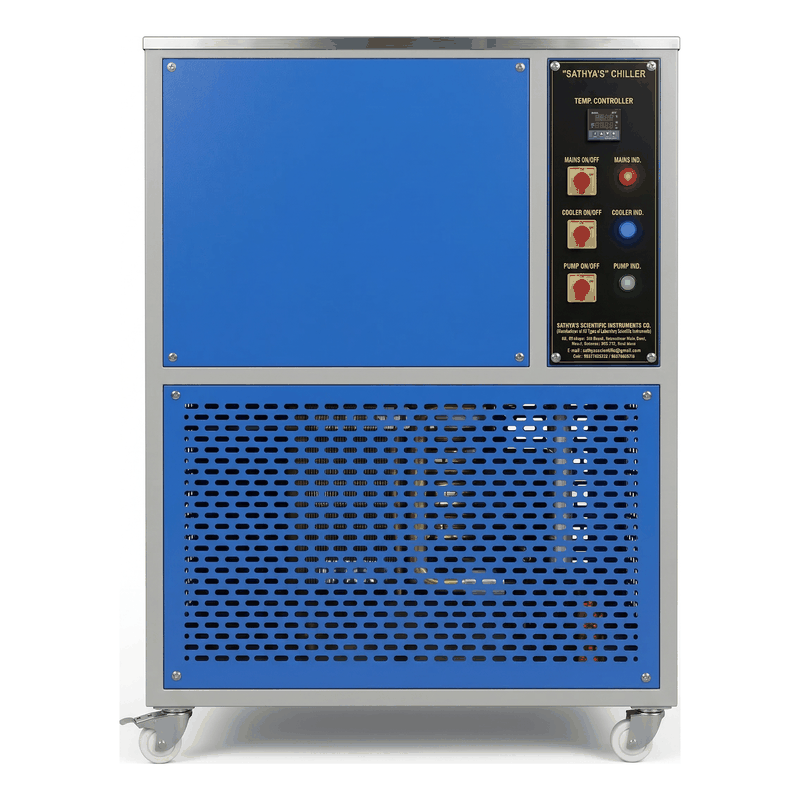
- Laboratory Chiller – Adjustable set point 2 °C–30 °C, recirculating pump, essential for enzyme stability studies and low‑temperature incubations.
Air Quality and Safety
- Laminar Air Flow Cabinet – Horizontal or vertical airflow, HEPA filtration, protects samples from particulate contamination.
- Laboratory Fume Hood – Variable air volume, sash height control, safeguards operators from volatile organic compounds and hazardous fumes.
Extraction and Sample Processing
- Soxhlet Extraction Apparatus – Glassware set with heating mantle or hot plate, enables exhaustive solvent extraction for pesticide residue analysis.
- Electric Heating Mantle – Uniform heat distribution, low‑profile design, reduces hot spots during reflux.
- Electric Rectangular Hot Plate – Adjustable temperature up to 350 °C, suitable for beaker heating and sample digestion.
How to Choose the Right Equipment for Your Food Testing Lab
When evaluating suppliers, consider the following criteria:
- Application Fit – Match the instrument’s temperature range, capacity, and accuracy to the specific test method (e.g., AOAC, ISO 22000).
- Regulatory Compliance – Verify that the equipment meets Indian standards (BIS), ISO/IEC 17025 accreditation requirements, and, where applicable, FDA or EU directives.
- Build Quality – Stainless‑steel interiors, corrosion‑resistant seals, and robust control panels extend service life in humid Indian labs.
- Ease of Calibration – Instruments with built‑in calibration routines or external reference standards reduce downtime.
- Service & Spare Parts – Local after‑sales support in Chennai ensures quick replacement of wear items such as gaskets or heating elements.
- Energy Efficiency – Look for programmable sleep modes and insulated chambers to lower operating costs.
Comparison: Autoclave vs. High‑Pressure Steam Sterilizer
Both devices achieve sterilisation, but their operational differences affect purchase decisions:
| Feature | Standard Autoclave | High‑Pressure Radial‑Locking Sterilizer |
|---|---|---|
| Pressure Range | 0.1–0.2 MPa | 0.2–0.6 MPa |
| Load Capacity | 10 L–30 L | 30 L–80 L |
| Cycle Time | 45–60 min | 30–45 min |
| Best For | Routine media sterilisation | High‑throughput labs, large‑volume BOD bottles |
For a small‑scale food testing unit in Coimbatore, a compact autoclave may be sufficient, whereas a regional testing centre handling hundreds of samples daily would benefit from the larger, faster high‑pressure model.
Installation, Calibration, and Routine Maintenance
Proper installation minimizes future issues:
- Place thermal equipment on a level, vibration‑free surface with adequate clearance for ventilation.
- Connect water‑filled autoclaves to a dedicated, filtered water supply to prevent scale buildup.
- Perform a baseline calibration using certified reference standards (e.g., NIST thermometers) before the first use.
- Schedule quarterly cleaning of water baths, monthly inspection of furnace heating elements, and annual performance verification of laminar flow units.
- Maintain a logbook documenting temperature checks, filter replacements, and any corrective actions.
Common Mistakes to Avoid in Food Testing Laboratories
- Skipping Pre‑Run Checks – Not verifying temperature uniformity can lead to inaccurate moisture content results.
- Using Incompatible Materials – Placing aluminium trays in a high‑temperature furnace may cause oxidation and contamination.
- Neglecting Calibration – Relying on factory settings without periodic verification breaches ISO 17025 requirements.
- Improper Waste Disposal – Discharging solvent‑laden waste from Soxhlet extractions directly into drains violates environmental regulations.
- Overloading Autoclave Chambers – Reduces steam penetration and compromises sterilisation efficacy.
Frequently Asked Questions
What temperature accuracy is required for moisture analysis?
Most AOAC methods demand ±0.5 °C accuracy in ovens or hot‑air ovens to ensure repeatable dry‑weight measurements.
Can I use a laboratory hot plate for sample digestion in a food lab?
Yes, provided the hot plate offers temperature stability and a magnetic stirrer. For high‑boiling solvents, a heating mantle is often preferred to avoid hot spots.
How often should a laminar flow hood be certified?
Annual certification by a qualified technician is standard, with monthly visual inspections of filter integrity.
Do I need a separate incubator for BOD testing?
BOD incubators include dissolved‑oxygen sensors and shaking mechanisms that standard bacteriological incubators lack, making them essential for accurate biochemical oxygen demand measurements.
Is there a local supplier for high‑temperature furnaces in Tamil Nadu?
Several Indian manufacturers and distributors, including those listed on FDA – Food Safety, provide compliant furnaces with local service networks.
Final Verdict and Practical Recommendations
Building a robust food testing laboratory hinges on selecting equipment that aligns with the specific analytical methods you will perform. Prioritise instruments with proven reliability, local service support, and compliance with Indian and international standards. Begin with the essential core – autoclave, incubator, oven/furnace, water bath, and laminar flow cabinet – then expand to specialised items such as Soxhlet extractors or high‑pressure sterilizers as your test portfolio grows.
Ready to explore the right instruments for your lab? Read our detailed comparison of hot plates and heating mantles to make an informed purchase decision.