When a muffle furnace stops heating, laboratory work can grind to a halt, affecting sample preparation, annealing, and quality‑control tests. In this Muffle Furnace Not Heating? Troubleshooting Guide we walk you through the most common causes, practical checks, and preventive steps so you can restore reliable performance without costly service calls.
Table of Contents
- Understanding How a Muffle Furnace Works
- Key Components to Inspect When the Furnace Won’t Heat
- Muffle Furnace Not Heating? Troubleshooting Guide – Common Faults
- Muffle Furnace Not Heating? Troubleshooting Guide – Preventive Maintenance
- Safety Considerations While Troubleshooting
- Common Mistakes to Avoid
- Frequently Asked Questions
- Choosing the Right Muffle Furnace for Your Lab
- Alternative Technologies
- Final Verdict and Next Steps
Understanding How a Muffle Furnace Works
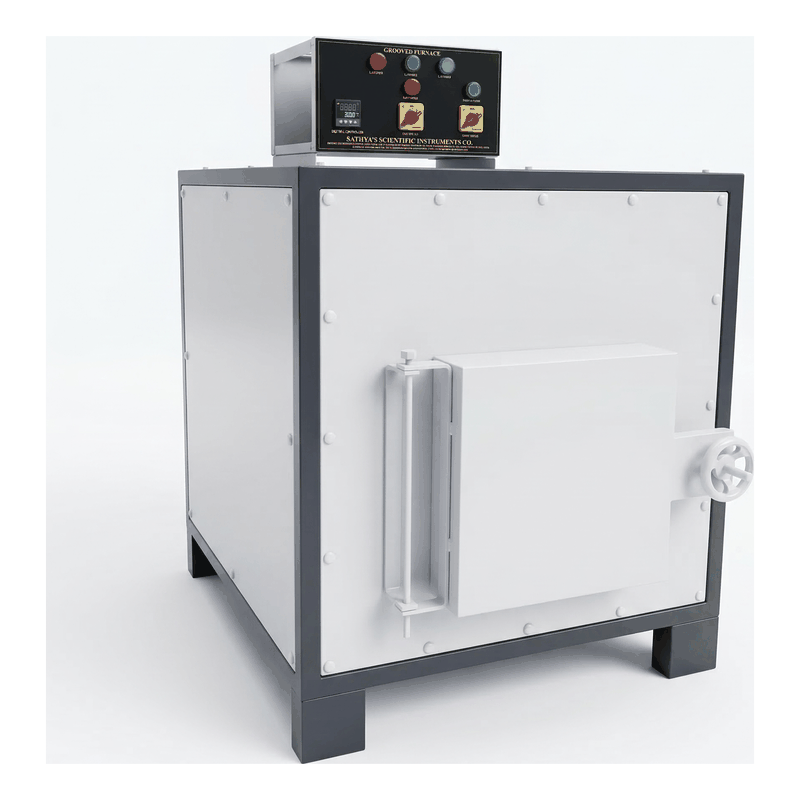
A muffle furnace is a closed, insulated chamber that isolates the sample from combustion gases. Heat is generated by electric resistance heating elements that line the furnace walls. A temperature sensor (usually a Type K or Type S thermocouple) feeds data to a PID controller, which adjusts the power to maintain the setpoint. The “muffle” – a ceramic or refractory lining – protects the sample from direct contact with the heating elements.
Key Components to Inspect When the Furnace Won’t Heat
- Heating Elements: Typically made of nichrome or Kanthal; look for discoloration or broken coils.
- Temperature Sensor (Thermocouple): Verify connections; a faulty thermocouple will give erroneous readings.
- PID Controller/Display Unit: Check for error codes, loose wiring, or blown fuses.
- Power Supply & Circuit Breaker: Ensure the correct voltage (220‑240 V in India) is reaching the unit.
- Safety Interlocks: Door switches and over‑temperature cut‑offs must engage correctly.
Muffle Furnace Not Heating? Troubleshooting Guide – Common Faults
1. Power‑Related Issues
Start with the simplest check – is the furnace plugged in and the mains switch ON? In many Indian labs, voltage fluctuations are common; a tripped circuit breaker or a blown fuse in the internal fuse holder will cut power instantly. Use a multimeter to confirm that the line voltage matches the furnace rating (usually 230 V ± 10 %). Replace any blown fuses with the same rating.
2. Faulty Heating Elements
If the furnace powers up but the temperature never rises, the heating elements may be damaged. Visual inspection for cracked or burnt coils is essential. In a muffle furnace, elements are often removable; replace them with OEM parts that match the original specifications (e.g., Kanthal A1, 1200 °C max). Remember to de‑energize the unit and let it cool before handling.
3. Thermocouple or Sensor Failure
The controller relies on accurate temperature feedback. A broken thermocouple can cause the controller to think the furnace is already at the setpoint, shutting off heating. Test the sensor with a handheld thermocouple meter or swap it with a known good one. Also, inspect the connector for corrosion – especially in humid Indian environments.
4. PID Controller Errors
Modern muffle furnaces display error codes (e.g., “E1 – sensor fault”). Consult the user manual for code definitions. A reset may clear transient glitches, but recurring errors often point to internal PCB damage or firmware issues. In such cases, contact the supplier’s service department.
5. Safety Interlock or Door Switch Malfunction
Most furnaces will not heat if the door is not fully closed. The magnetic or mechanical interlock may be misaligned after cleaning. Verify that the switch clicks when the door is shut and that the indicator light (if any) illuminates. Clean the contacts with a non‑conductive brush and re‑align the latch if necessary.
6. Over‑Temperature Protection Triggered
If the furnace previously experienced a runaway temperature, the built‑in thermal fuse may have opened. This protective device must be replaced by qualified personnel, as it is often fused to the heating circuit.
Muffle Furnace Not Heating? Troubleshooting Guide – Preventive Maintenance
Regular maintenance reduces unexpected downtime. Follow these best practices:
- Schedule quarterly visual inspections of heating elements and the refractory lining.
- Calibrate the temperature sensor annually using a certified furnace calibrator or a reference thermocouple traceable to NIST standards.
- Keep the furnace interior clean; avoid residue buildup that can insulate the heating elements.
- Check door seals for wear; replace silicone gaskets every 2‑3 years in high‑humidity labs.
- Log all error codes and service actions in a maintenance register for trend analysis.
Safety Considerations While Troubleshooting
Always wear heat‑resistant gloves, safety glasses, and a lab coat. Before opening the furnace, allow it to cool to below 50 °C and disconnect the power cord. Be aware of residual heat in the refractory bricks, which can cause burns. For detailed heat‑stress guidelines, refer to the CDC’s heat safety recommendations (CDC – Heat Safety).
Common Mistakes to Avoid
- Skipping the power check: Assuming the unit is receiving power without verifying the breaker.
- Using incompatible replacement parts: Installing a lower‑temperature element can cause premature failure.
- Ignoring error codes: Treating a blinking LED as a minor glitch instead of a diagnostic clue.
- Over‑tightening the door latch: This can deform the interlock switch, preventing heating.
- Neglecting humidity control: In coastal regions like Chennai, moisture can corrode connectors; use desiccant packs inside the control cabinet.
Frequently Asked Questions
Why does my furnace heat up slowly?
Slow ramp rates are often caused by degraded heating elements, insufficient power supply, or a PID controller set to a low ramp‑rate value. Verify the element resistance and ensure the controller’s ramp setting matches your protocol.
Can I replace the thermocouple myself?
Yes, if you have basic electrical skills. Disconnect power, remove the old sensor, and install a new Type K thermocouple of the same length and connector type. Re‑calibrate the furnace after replacement.
What is the typical lifespan of a muffle furnace?
With proper maintenance, heating elements last 5‑7 years, while the refractory lining can endure 10‑15 years. Regular cleaning and avoiding thermal shock extend service life.
Is it safe to operate a furnace with a cracked refractory lining?
No. Cracks expose the heating elements, leading to uneven temperatures and possible fire hazards. Replace the lining before resuming critical work.
How often should I calibrate the temperature?
Annual calibration is standard for quality‑control labs, but high‑precision applications (e.g., semiconductor research) may require bi‑annual checks.
Choosing the Right Muffle Furnace for Your Lab
When selecting a new unit, consider:
- Temperature Range: Typical models cover 100 °C–1200 °C; high‑temperature furnaces reach up to 1600 °C.
- Capacity: Chamber volume (liters) must accommodate your sample size; common sizes are 10 L, 30 L, and 60 L.
- Control Interface: Touchscreen vs. keypad; advanced models offer programmable ramps and remote monitoring.
- Construction Material: Stainless‑steel exteriors with ceramic or alumina muffle for corrosion resistance.
- Safety Features: Door interlocks, over‑temperature cut‑offs, and insulated handles.
Compare specifications across suppliers and request a performance certificate that shows compliance with IEC 60712‑1 (electrical safety) and ISO 9001 quality management.
Alternative Technologies
If your application requires rapid temperature changes or ultra‑high temperatures (>1500 °C), a tubular furnace or a plasma furnace might be more suitable. Tubular furnaces provide faster heat transfer due to direct gas flow, while plasma furnaces achieve temperatures above 3000 °C but demand specialized power supplies and safety protocols.
Final Verdict and Next Steps
Addressing a non‑heating muffle furnace begins with systematic checks of power, heating elements, sensors, and safety interlocks. Regular preventive maintenance, proper calibration, and adherence to safety standards will minimise future failures. For laboratories in Chennai, Hyderabad, or across Tamil Nadu, sourcing a reliable unit with local after‑sales support is essential.
Ready to upgrade or replace your furnace? Explore our range of muffle furnaces and benefit from factory‑direct pricing and expert technical assistance.