Operating a muffle furnace is a routine task in many Indian laboratories, yet it carries significant thermal and chemical hazards. Understanding how to use a muffle furnace safely: 12 rules for lab staff can prevent accidents, protect valuable samples, and ensure compliance with local safety regulations. This guide walks you through the furnace’s working principle, key components, selection tips, and a step‑by‑step safety checklist tailored for research scientists, pharmaceutical QC teams, and educational institutions.
Table of Contents
- Working Principle of a Muffle Furnace
- Key Components and Their Functions
- Common Applications in Indian Laboratories
- How to Use a Muffle Furnace Safely: 12 Rules for Lab Staff – Selection Criteria
- Comparison with Alternative Heating Devices
- How to Use a Muffle Furnace Safely: 12 Rules for Lab Staff – Operational Checklist
- Maintenance and Troubleshooting Tips
- Common Mistakes to Avoid
- Frequently Asked Questions
- Final Verdict and Practical Recommendations
Working Principle of a Muffle Furnace
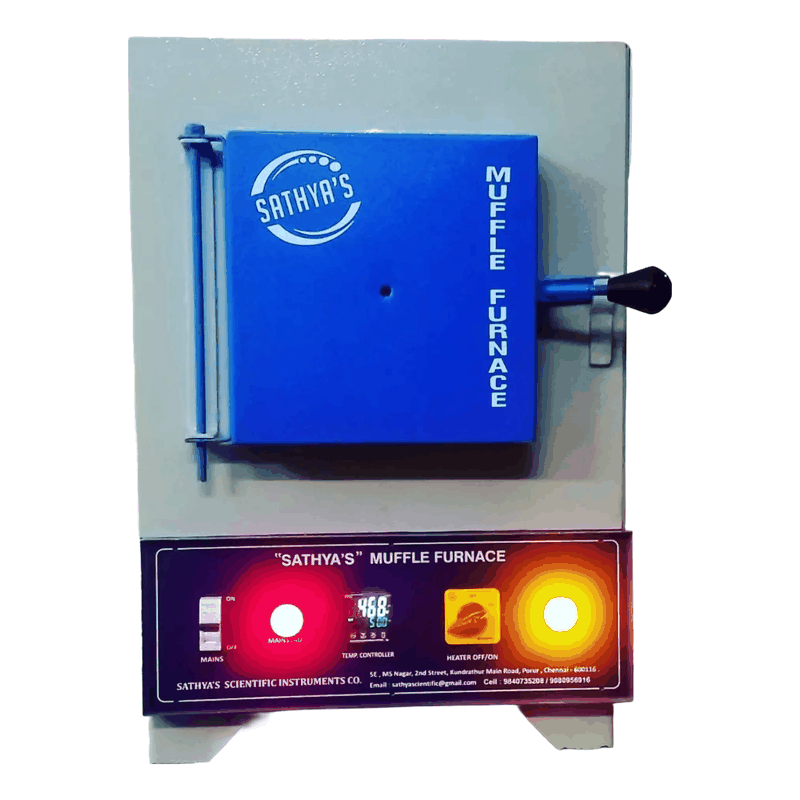
A muffle furnace encloses the sample chamber in an insulated, non‑reactive “muffle” that isolates the material from direct flame or heating elements. Electric resistance coils heat the furnace walls, and the temperature is regulated by a PID controller that maintains uniform heat distribution, typically within ±1 °C. The sealed chamber prevents oxidation, making the furnace ideal for gravimetric analysis, ash determination, and high‑temperature sintering.
Key Components and Their Functions
- Heating Elements: Usually made of nickel‑chromium alloy, they convert electric energy into heat.
- Insulation: Ceramic fiber or refractory bricks reduce heat loss and protect the outer shell.
- Temperature Controller: Digital PID units allow precise set‑point control and programmable ramps.
- Safety Interlocks: Door switches that cut power if the door is opened during operation.
- Exhaust Vent: Optional gas‑tight venting for hazardous fumes, essential in pharmaceutical labs.
Common Applications in Indian Laboratories
Muffle furnaces are used for:
- Determination of ash content in food and pharmaceutical raw materials.
- Calcination of metal oxides for catalyst preparation.
- Thermal treatment of ceramics and glass samples.
- Burn‑off of organic residues before gravimetric weighing.
How to Use a Muffle Furnace Safely: 12 Rules for Lab Staff – Selection Criteria
Before buying a furnace, consider these factors:
- Temperature Range: Most labs need 100 °C–1200 °C; high‑temperature models reach 1400 °C.
- Chamber Capacity: Choose based on sample volume; a 20 L chamber suits QC labs, while a 5 L unit fits teaching labs.
- Control Features: Look for programmable ramps, data logging, and remote monitoring.
- Safety Features: Interlocks, over‑temperature protection, and insulated doors are mandatory.
- Local Service: Verify that the supplier offers calibration, spare parts, and on‑site support in Chennai or other Indian cities.
Comparison with Alternative Heating Devices
While a conventional laboratory oven can reach 300 °C, it lacks the sealed muffle chamber needed for oxidation‑free heating. A tubular furnace offers higher temperatures and faster ramp rates but requires more space and complex gas handling. For most QC and research tasks, a muffle furnace provides the optimal balance of temperature control, safety, and sample integrity.
How to Use a Muffle Furnace Safely: 12 Rules for Lab Staff – Operational Checklist
- Read the Manufacturer’s Manual: Familiarise yourself with the specific model’s safety interlocks and emergency shut‑off procedures.
- Inspect the Unit: Check for damaged insulation, loose wiring, or broken door seals before each use.
- Wear Appropriate PPE: Heat‑resistant gloves, safety goggles, lab coat, and closed shoes are mandatory.
- Ensure Proper Ventilation: Connect the exhaust vent to a fume hood or external duct if toxic gases may be released.
- Load Samples Evenly: Distribute weight to avoid chamber imbalance that could stress the door hinges.
- Set the Correct Temperature: Use the digital controller; avoid manual thermostat adjustments that bypass safety limits.
- Program Ramps and Soaks: Gradual heating reduces thermal shock to both the furnace and the samples.
- Never Bypass Interlocks: Do not force the door open while the furnace is hot.
- Monitor the Process: Keep the furnace within sight; use the built‑in alarm or remote monitoring if available.
- Cool Down Properly: Allow the furnace to reach ambient temperature before opening the door.
- Document the Run: Record temperature profile, duration, and any deviations for traceability.
- Schedule Regular Maintenance: Follow the service interval for cleaning, element inspection, and calibration.
Maintenance and Troubleshooting Tips
Regular upkeep extends the life of the furnace and maintains safety compliance. Clean the interior after each batch to remove ash residues that can insulate heat and cause hotspots. Inspect the door seals quarterly; replace them if cracks appear. Calibrate the temperature controller annually using a certified thermocouple, as recommended by OSHA furnace safety guidelines. Common issues such as uneven heating often stem from degraded insulation or a faulty PID controller, which should be addressed by qualified service engineers.
Common Mistakes to Avoid
- Skipping the pre‑run inspection and assuming the furnace is ready.
- Using the furnace for volatile organic compounds without proper venting.
- Opening the door while the chamber is still hot, leading to burns or rapid temperature changes.
- Overloading the chamber, which can cause uneven heating and strain the door mechanism.
- Neglecting to log temperature data, which is essential for regulatory audits in pharmaceutical labs.
Frequently Asked Questions
What is the typical temperature accuracy of a muffle furnace?
High‑quality units provide ±1 °C accuracy across the full temperature range, thanks to digital PID controllers and calibrated thermocouples.
Can a muffle furnace be used for drying biological samples?
Yes, but only if the samples are heat‑stable and the furnace is equipped with a clean, contamination‑free chamber. For sensitive biomaterials, a low‑temperature oven or lyophilizer may be more appropriate.
How often should the furnace be calibrated?
Calibration is recommended at least once a year, or more frequently if the furnace is used daily in a regulated environment such as a GMP pharmaceutical lab.
Is a separate power supply required?
Most laboratory muffle furnaces operate on a standard 3‑phase 415 V supply. Verify the voltage and current ratings with your facility’s electrical engineer before installation.
What safety certifications should I look for?
Look for CE marking, IEC 60204‑1 compliance for electrical safety, and any local Indian standards such as IS 1315 for laboratory equipment.
Final Verdict and Practical Recommendations
Following the 12 rules outlined above ensures that lab staff can operate a muffle furnace safely while maintaining sample integrity and regulatory compliance. Choose a model with robust interlocks, precise temperature control, and local after‑sales support to minimise downtime. Regular inspection, proper PPE, and adherence to ventilation requirements are non‑negotiable for a safe working environment.
Ready to upgrade your laboratory’s thermal processing capabilities? Explore our range of muffle furnaces and find the right solution for your research or quality‑control needs.